How to Care for a Small Aloe Vera Plant
Master the art of growing and maintaining a healthy, thriving small aloe vera plant with our expert care guide. Perfect for beginners and plant enthusiasts alike.
Understanding Your Small Aloe Vera Plant
Aloe vera is one of the most popular and rewarding houseplants, prized for its striking appearance and remarkable medicinal properties. A small aloe vera plant is an excellent choice for beginners, as it's resilient, low-maintenance, and forgiving of occasional neglect. Whether you've just brought home your first aloe or are looking to optimize the care of an existing plant, understanding the fundamentals of aloe vera care will ensure your plant thrives for years to come.
Native to the Arabian Peninsula, aloe vera has adapted to survive in arid, desert-like conditions. This means it has specific needs when it comes to watering, soil, and light exposure. By mimicking its natural habitat, you can grow a robust, healthy aloe that produces thick, succulent leaves filled with the soothing gel we all know and love.
Did you know? A small aloe vera plant can live for over a decade with proper care, and it's even known to produce beautiful yellow flowers in the spring when given optimal conditions and sufficient maturity.
Light Requirements for Small Aloe Vera
Low light plants are wonderful, but aloe vera isn't one of them. Aloe vera plants thrive in bright, indirect sunlight. Place your small aloe near a south or west-facing window where it can receive at least 6 hours of bright, filtered light daily. Direct sunlight for a few hours can be beneficial, especially in the morning, but intense afternoon sun can cause the leaves to turn brown or develop a reddish tinge—a stress response indicating too much sun exposure.
If you notice your aloe's leaves becoming pale or leggy (stretching toward the light source), it's a clear sign that the plant needs more light. Conversely, if the leaves are turning brown or crispy at the tips, it may be receiving too much direct sunlight. Finding the right balance is key to maintaining vibrant, healthy green leaves.
How Often to Water a Small Aloe Vera
How often do I water an aloe vera plant? This is the most common question we receive. The golden rule of aloe watering is simple: allow the soil to dry completely between waterings. Overwatering is the single most common cause of aloe vera death. As a succulent, aloe stores water in its thick leaves, making it highly drought-tolerant.
As a general guideline, water your small aloe vera plant every 2-3 weeks during the growing season (spring and summer) and reduce watering to once a month or less during the dormant period (fall and winter). However, the best approach is to check the soil moisture before watering.
🌱 Spring & Summer
Water every 2-3 weeks when the top 2 inches of soil feel dry
🍂 Fall & Winter
Water once a month or less, allowing the soil to dry completely between waterings
💧 Signs of Overwatering
Soft, mushy leaves; yellowing; root rot; foul smell from soil
🌵 Signs of Underwatering
Wrinkled, curling, or shriveled leaves; brown leaf tips
Best Soil for Small Aloe Vera Plants
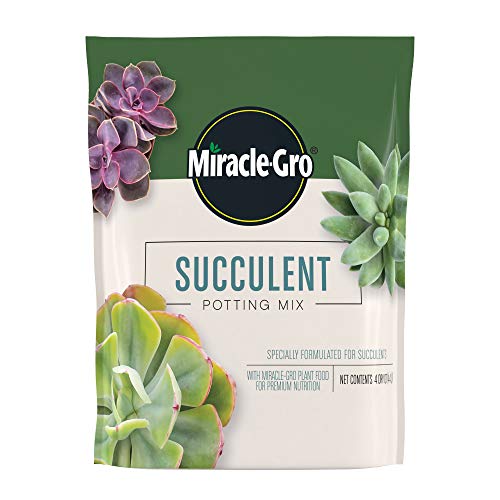
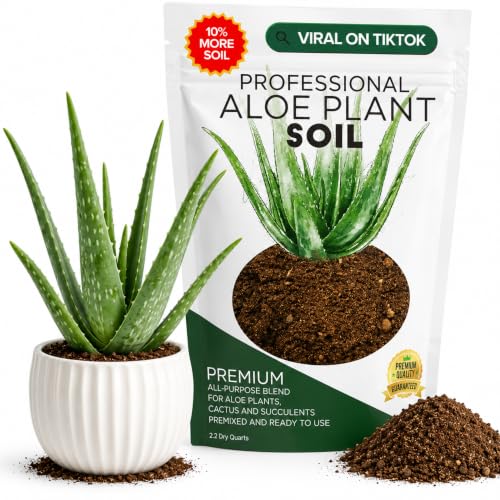
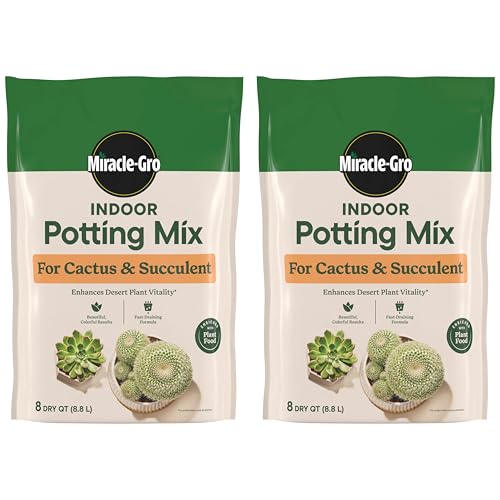
Aloe vera requires well-draining soil that mimics the sandy, rocky conditions of its native habitat. A specialized cactus or succulent potting mix is ideal. If you prefer to make your own, a mixture of regular potting soil, coarse sand, and perlite or pumice in equal parts will provide the perfect balance of drainage and nutrients.
When choosing a pot for your small aloe, opt for a container that is just slightly larger than the root ball. A pot that is too large holds excess moisture, increasing the risk of root rot. Terracotta pots are an excellent choice because they are porous and allow the soil to dry out more quickly than plastic or glazed ceramic pots.
Soil & potting mix quality directly impacts your aloe's health. Repot your aloe every 2-3 years or when the plant becomes root-bound. Spring is the best time to repot, as the plant is entering its active growing season.
Temperature and Humidity Needs
Aloe vera plants prefer temperatures between 60°F and 75°F (15°C to 24°C), which makes them perfect for typical indoor environments. They can tolerate temperatures as low as 50°F (10°C), but exposure to frost or prolonged cold will damage or kill the plant. Avoid placing your aloe near drafty windows, air conditioning vents, or heating sources that create sudden temperature fluctuations.
Like most succulents care, aloe vera thrives in low to moderate humidity. It adapts well to average household humidity levels and doesn't require misting. In fact, excessive humidity combined with poor air circulation can promote fungal growth and leaf rot. If your home is particularly humid, consider placing your aloe in a room with good air flow.
Fertilizing Your Small Aloe Vera
Aloe vera plants are not heavy feeders and can survive without fertilizer, but occasional feeding can promote healthier growth. Use a balanced, water-soluble fertilizer diluted to half strength, specifically formulated for succulents or cacti. Apply fertilizer once in early spring and again in mid-summer during the active growing season.
Avoid fertilizing during fall and winter when the plant is dormant. Over-fertilizing can lead to salt buildup in the soil, which can damage the roots and cause the leaf tips to turn brown. Always water your aloe before applying fertilizer to prevent root burn.
For organic options, compost bins produce nutrient-rich compost that can be used as a gentle, slow-release fertilizer. A small amount of worm castings mixed into the top layer of soil can also provide beneficial nutrients.
Pruning and Maintenance Tips
Regular maintenance keeps your small aloe vera looking its best. Remove any dead, damaged, or discolored leaves at the base using clean, sharp scissors or pruning shears. This not only improves the plant's appearance but also prevents the spread of disease and encourages new growth.
Pruning tips for aloe are straightforward: always cut leaves as close to the stem as possible, and avoid removing more than one-third of the plant's leaves at a time. The outer, older leaves are the first to harvest, while the younger inner leaves continue to grow and develop.
If your aloe produces small offshoots (also called pups) at the base, these can be separated and potted individually. This is a wonderful way to propagate new plants and share them with friends and family.
Troubleshooting Common Aloe Vera Problems
🌿 Yellow or Soft Leaves
Yellowing or soft, mushy leaves typically indicate overwatering or poor drainage. Check the soil moisture and allow it to dry out completely before watering again. If the soil is waterlogged, repot the plant into fresh, dry soil and trim away any rotting roots.
🍂 Brown Leaf Tips
Brown, crispy tips can be caused by several factors: underwatering, excessive direct sunlight, or fluoride toxicity from tap water. Use filtered or distilled water if possible, and adjust the plant's position to ensure it receives bright but indirect light.
🌱 Leggy, Stretched Growth
If your aloe is growing tall with widely spaced leaves, it's stretching for more light. Move it to a brighter location with more indirect sunlight. Rotate the plant periodically to ensure even light distribution.
🐛 Pests
Aloe vera plants are relatively pest-resistant, but they can occasionally attract natural pest control beneficiaries like mealybugs or spider mites. Treat infestations with insecticidal soap or neem oil, and isolate the affected plant to prevent spread.
Final Tips for a Thriving Small Aloe Vera
Growing a small aloe vera plant is a rewarding and enjoyable experience. These resilient succulents are forgiving, aesthetically pleasing, and offer countless benefits. Remember these key takeaways:
- Less is more: Aloe vera prefers neglect over over-attention. Allow the soil to dry completely between waterings.
- Right pot matters: Always use a container with drainage holes and well-draining soil to prevent root rot.
- Bright but indirect: Provide at least 6 hours of bright, filtered light daily, but protect from intense afternoon sun.
- Patience: Aloe vera is a slow grower. With consistent, appropriate care, your small aloe will flourish and may even reward you with a flower spike in the future.
Whether you're growing aloe for its medicinal gel, its decorative appeal, or simply as a low-maintenance addition to your indoor plant collection, this remarkable plant is sure to become a cherished part of your home.
Aloe Vera FAQs
Can I use the gel from my small aloe vera plant?
Yes! The gel from aloe vera leaves is safe for topical use to soothe minor burns, sunburns, and skin irritations. Always cut leaves from the base and use the gel fresh. Test a small patch of skin first if you have sensitive skin.
How often should I repot a small aloe vera plant?
Repot your aloe every 2-3 years or when you notice roots growing out of the drainage holes. Spring is the best time to repot, as the plant is in its active growth phase.
Why is my aloe vera plant turning red?
A reddish or copper tint is typically a stress response to excessive direct sunlight. Move the plant to a location with bright but indirect light, and the color should return to green over time.