How to Trim a Hydrangea Bush in the Spring
Unlock the secret to bigger, more vibrant blooms. Learn the essential spring pruning techniques for all hydrangea types, from bigleaf to panicle, and keep your shrubs healthy and gorgeous.
Jump to Step-by-Step GuideLet Gardening guide you: Spring hydrangea trimming is the single most important task for spectacular summer flowers. But the when and how depends entirely on your hydrangea type. In this comprehensive guide, we'll walk you through identifying your shrub, the exact pruning steps, and pro tips to avoid common mistakes. Whether you're a beginner or a seasoned gardener, this is your go-to resource for confident, effective hydrangea care.
Why Spring Pruning Matters for Hydrangeas
Pruning in spring sets the stage for the entire growing season. It removes dead or weak wood, shapes the plant for better airflow, and directs energy into producing larger, more abundant flowers. However, the rules differ dramatically between hydrangea varieties. Pruning the wrong type at the wrong time can cost you an entire season of blooms. That's why understanding your hydrangea is step one.
Step 1: Identify Your Hydrangea Type
Before you pick up your pruners, identify which hydrangea you have. This is the most critical step because some bloom on old wood (last year's growth), while others bloom on new wood (this year's growth).
🌿 Bigleaf (Hydrangea macrophylla)
Large, rounded leaves. Blooms on old wood. Prune in spring only to remove dead stems, just as new buds begin to swell. Over-pruning removes flower buds.
🌿 Panicle (Hydrangea paniculata)
Cone-shaped flower clusters. Blooms on new wood. Can be pruned back hard in early spring to encourage strong growth and large flowers.
🌿 Smooth (Hydrangea arborescens)
Large white flowers, like 'Annabelle'. Blooms on new wood. Prune in late winter or early spring to a few inches above the ground for vigorous new shoots.
🌿 Oakleaf (Hydrangea quercifolia)
Leaves shaped like oak leaves. Blooms on old wood. Minimal pruning needed; only remove dead or damaged branches in spring.
Step-by-Step Spring Pruning Guide
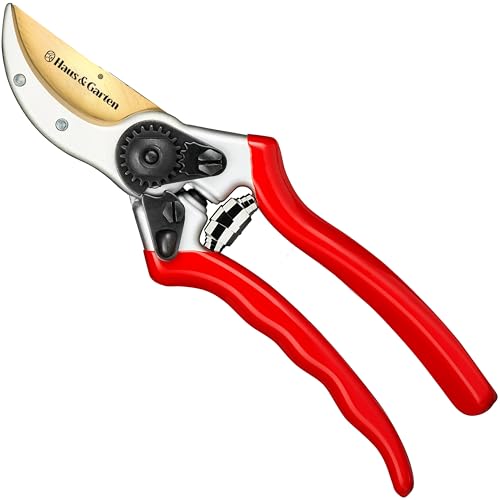
Follow these steps for a foolproof pruning session. Always use clean, sharp garden tools to make clean cuts and prevent disease.
- 1. Timing: Prune in early spring when the worst of winter is over, but before new growth fully emerges. For most regions, this is March to early April. Look for signs of swelling buds.
- 2. Remove Dead Wood: Cut away any dead, broken, or diseased branches at their base. Dead wood is brittle and often brown or gray inside. This improves air circulation and reduces disease risk.
- 3. Thin Out Old Canes: For hydrangeas that bloom on old wood (bigleaf, oakleaf), remove up to one-third of the oldest, thickest canes at ground level. This rejuvenates the plant and encourages new shoots.
- 4. Shape the Plant: Prune for shape by cutting back overgrown branches to a pair of healthy buds. For new wood bloomers (panicle, smooth), you can cut back more significantly to control size and promote larger blooms.
- 5. Clean Up: Remove all pruned debris from around the plant to prevent pests and disease. Dispose of diseased wood separately.
Common Pruning Mistakes to Avoid
- Pruning at the wrong time: Avoid pruning in fall or winter. This encourages tender new growth that can be damaged by frost, and for old wood bloomers, you'll cut off next year's flowers.
- Over-pruning: Removing too much can stress the plant and reduce flowering. Stick to the one-third rule for old wood hydrangeas.
- Using dull or dirty tools: Clean cuts heal faster. Always clean your shears with alcohol between cuts, especially if you've pruned diseased plants.
- Ignoring the "dead, diseased, damaged" rule: Always start by removing these three D's. This is the foundation of healthy pruning.
Pro Tips for Spectacular Blooms
🌱 Fertilize Smartly
After pruning, apply a balanced, slow-release fertilizer formulated for flowering shrubs. This gives your hydrangea the nutrients it needs for strong growth and abundant flowers.
💧 Water Deeply
Hydrangeas love moisture. Water deeply once or twice a week during dry spells, especially after pruning. Keep the soil consistently moist but not waterlogged.
✂️ Deadhead Spent Blooms
Throughout the season, remove faded flowers just above the first set of healthy leaves. This encourages more blooms and keeps the plant looking tidy.
🧪 Soil pH Matters
For blue hydrangeas, keep soil acidic (pH 5.5 or lower). For pink, raise pH with lime. You can adjust soil pH gradually with amendments.
Need more hydrangea help? Explore our related guides: