How to Trim Tomato Plants to Produce More Fruit
Master the art of tomato pruning to boost your harvest. Learn the proven techniques for trimming tomato plants, increasing fruit production, and growing healthier, more productive tomato plants.
Growing tomatoes is one of the most rewarding experiences in vegetable gardening. However, many gardeners struggle to achieve the abundant harvests they dream of. One of the most effective yet often overlooked techniques is learning how to trim tomato plants to produce more fruit. Proper pruning redirects the plant's energy from foliage growth to fruit production, resulting in larger, healthier tomatoes and significantly increased yields.
🌱 Did You Know? Indeterminate tomato varieties can produce fruit continuously throughout the season if pruned correctly. The secret lies in removing the right parts at the right time to maximize your harvest.
Understanding Tomato Growth Types: Determinate vs. Indeterminate
Before you start trimming, it's crucial to identify which type of tomato plant you're growing because pruning techniques differ significantly between the two main growth types:
🍅 Determinate (Bush) Tomatoes
These plants grow to a fixed size and produce all their fruit within a specific timeframe. They require minimal pruning—only remove the lowest leaves to prevent disease. Over-pruning can actually reduce your yield.
🍅 Indeterminate (Vining) Tomatoes
These plants continue growing and producing fruit throughout the season until frost kills them. They respond exceptionally well to pruning, and learning what is the best way to prune tomato plants can dramatically increase production.
🍅 Semi-Determinate
These are a cross between determinate and indeterminate varieties. They produce a large initial crop followed by a smaller second crop. Moderate pruning works best for these types.
Why Pruning Tomatoes Increases Fruit Production
When you know how to trim tomato plants to produce more fruit, you're essentially optimizing the plant's energy allocation. Here are the key reasons why pruning works:
- Energy Redirection: Tomato plants naturally produce many side shoots (suckers) that divert energy from fruit production. Removing these allows the plant to focus on developing larger, more flavorful tomatoes.
- Improved Air Circulation: Proper pruning creates space between branches, reducing humidity and preventing common fungal diseases like early blight and powdery mildew.
- Better Sun Exposure: When you how to plant a tomato plant in a container and prune properly, sunlight reaches all parts of the plant, ensuring even ripening.
- Size Control: For indeterminate varieties, pruning prevents the plant from becoming an unmanageable jungle, making harvesting easier and more efficient.
How to Trim Tomato Plants to Produce More Fruit: Step-by-Step Guide
Step 1: Identify the Suckers
Suckers are the side shoots that grow in the "V" or crotch between the main stem and a branch. These are the primary targets for pruning. By removing suckers, you're directing the plant's energy toward the main stem, where fruit clusters develop.
🔑 Pro Tip: When asking how do you prune rose bushes in the spring, the same principle applies—prune selectively to promote health and productivity. For tomatoes, focus on removing suckers while they're small (1-2 inches) for the best results.
Step 2: Choose Your Pruning Strategy
There are two main approaches to pruning indeterminate tomatoes:
- Single-Stem (Vertical) Pruning: Remove all suckers as they appear, leaving only the main stem. This method is ideal for maximizing space and producing the largest fruit.
- Multi-Stem Pruning: Allow a few (2-4) main stems to develop by leaving some suckers. This method produces more fruit overall but may result in smaller individual tomatoes.
Step 3: Timing Your Pruning
Timing is critical when learning how to trim tomato plants to produce more fruit. Here's when to prune:
- Early Season: Start pruning when the plant reaches 12-18 inches tall. Begin removing the first few suckers that appear.
- Mid-Season: Continue removing suckers weekly. Consider removing lower leaves that touch the ground to prevent disease.
- Late Season (About 4-6 Weeks Before First Frost): Top the plant by cutting off the growing tip of the main stem. This signals the plant to stop producing new growth and focus all energy on ripening existing fruit.
If you're wondering when is the right time to prune rose bushes, the same seasonal awareness applies—late winter to early spring is ideal for roses, while tomatoes need consistent pruning throughout the growing season.
Step 4: Tools You'll Need
Using the right tools makes the difference between clean cuts that heal quickly and torn stems that invite disease. For the best results when learning how to trim tomato plants to produce more fruit, equip yourself with:
- Sharp Pruning Shears: Bypass pruners are preferred for clean cuts. Make sure they're sharp to avoid crushing stems.
- Disinfectant: Wipe your shears with rubbing alcohol between plants to prevent disease spread.
- Garden Gloves: Protect your hands from sap and plant debris.
🌿 Quick Tip: For small suckers (under 1/2 inch), you can pinch them off with your fingers. For larger suckers, use your pruning shears to make clean cuts.
Step 5: Pruning Technique
Follow these specific techniques to master how to trim tomato plants to produce more fruit:
- Remove all suckers below the first flower cluster. These lower suckers produce the least fruit and divert the most energy.
- Remove suckers above the first flower cluster as needed. Leave enough foliage to support fruit growth—you want a balance between leaves and fruit.
- Remove yellow or diseased leaves promptly. These can spread disease to healthy parts of the plant.
- Maintain 4-5 leaves above the top fruit cluster. This provides enough energy for fruit development.
Common Mistakes When Trimming Tomato Plants
Even experienced gardeners make errors when pruning. Here are the most common mistakes to avoid when learning how to trim tomato plants to produce more fruit:
- ❌ Over-pruning: Removing too many leaves stresses the plant and reduces photosynthesis. Remember, leaves provide the energy for fruit production.
- ❌ Pruning at the wrong time: Pruning during wet weather can invite disease. Always prune on dry, sunny days.
- ❌ Using dull tools: Dull shears crush stems, creating entry points for diseases.
- ❌ Ignoring determinate varieties: Determinate tomatoes shouldn't be heavily pruned. If you're growing how to plant sweet potatoes in a raised bed, you'll use a similar approach—minimal interference is key.
Types of Tomato Trimming for Maximum Production
Understanding the different how to trim tomato plants to produce more fruit techniques allows you to choose the best approach for your garden:
- Pruning: Removing suckers and unwanted growth to direct energy to fruit production.
- Topping: Removing the growing tip of the plant to stop vertical growth and encourage fruit ripening.
- Leaf Removal: Removing lower and diseased leaves to improve air circulation and reduce disease risk.
- Thinning: Removing some fruit clusters to allow remaining fruit to grow larger and sweeter.
📌 Quick Summary: How to Trim Tomato Plants to Produce More Fruit
- Know your variety – Indeterminate tomatoes benefit most from pruning
- Remove suckers – Focus on the side shoots that steal energy from fruit
- Prune regularly – Weekly pruning keeps the plant focused on fruit production
- Use sharp tools – Clean cuts heal faster and reduce disease risk
- Top late in the season – Redirects energy to ripening fruit 4-6 weeks before frost
Supporting Your Pruned Tomato Plants for Best Results
Pruning is most effective when combined with proper support. The key to success when learning how to trim tomato plants to produce more fruit includes:
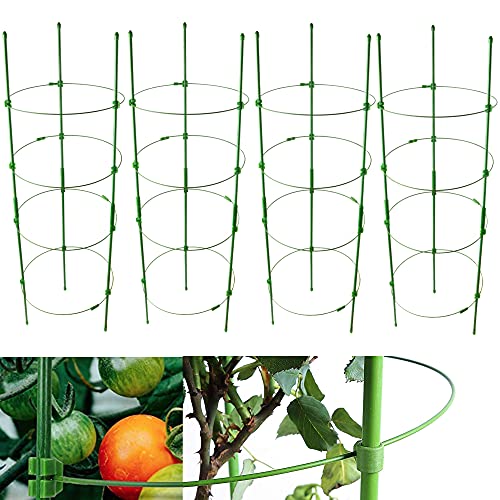
- Caging: Tomato cages provide support for determinate varieties and allow for natural growth.
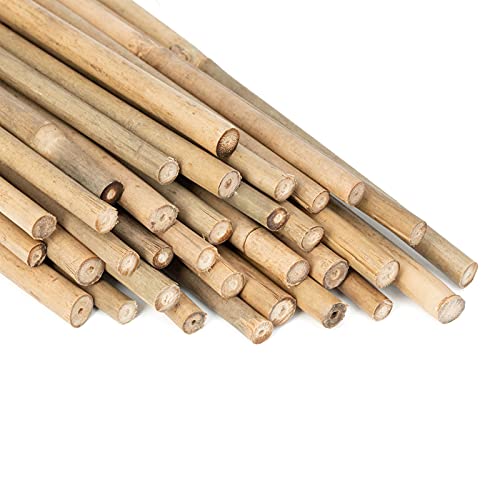
- Staking: For indeterminate varieties, staking provides the structure needed for effective pruning.
- Trellising: Training plants up a trellis maximizes space and makes pruning and harvesting easier.
Speaking of support, just as with hanging plants that don't need a lot of light, the right structural support is essential. For tomatoes, proper support ensures branches don't break under the weight of your abundant harvest.
Pruning and Watering for Maximum Production
Pruning goes hand-in-hand with proper watering. When you master how to trim tomato plants to produce more fruit, you'll need to adjust your watering strategy:
- Consistent watering: Pruned plants need consistent moisture to support fruit development. Water deeply 1-2 times per week, depending on conditions.
- Avoid overhead watering: Water at the base of the plant to keep leaves dry and reduce disease risk—especially important for pruned plants with exposed stems.
- Mulch: Apply 2-3 inches of organic mulch to retain soil moisture and prevent weed competition.
💧 Watering Wisdom: When learning how much water should you give a Christmas cactus, you need to be precise. For tomatoes, the rule is similar—water deeply but allow the soil to dry slightly between waterings for optimal growth.
Seasonal Pruning Schedule for Tomato Plants
A structured approach is essential when learning how to trim tomato plants to produce more fruit. Follow this seasonal schedule:
- Spring (Planting to First Fruit): Remove all suckers below the first flower cluster. This encourages a strong main stem.
- Summer (Peak Production): Continue removing suckers weekly. Remove any yellow or diseased leaves promptly.
- Late Summer to Fall (Approaching Frost): Top the plants about 4-6 weeks before the first expected frost. This signals the plant to ripen existing fruit.
This seasonal awareness is similar to knowing how to take care of Christmas cactus in summer—you adjust your care based on the plant's growth cycle for the best results.
Pruning Guide for Popular Tomato Varieties
Different tomato varieties respond differently to pruning. Here's how to apply your knowledge of how to trim tomato plants to produce more fruit to popular varieties:
- Cherry Tomatoes: Can be pruned moderately to improve production. Removing some foliage actually increases fruit size.
- Beefsteak Tomatoes: Benefit from single-stem pruning to produce the largest fruit possible.
- Roma (Plum) Tomatoes: Respond well to moderate pruning—remove lower suckers but leave more foliage for energy production.
- Early Girl: Prune aggressively for early, abundant production.
Understanding variety-specific needs helps you master how to trim tomato plants to produce more fruit for your particular garden setup.
Final Tips for Trimming Tomato Plants to Produce More Fruit
🌟 Our Top Recommendations for Tomato Pruning Success
- Start early: Begin pruning when plants are 12-18 inches tall.
- Be consistent: Check plants weekly and remove new suckers promptly.
- Balance is key: Remove enough suckers to direct energy, but leave enough foliage for photosynthesis.
- Adjust based on growth: If plants are producing many flowers and fruit, you're on the right track.
- Combine with proper care: Pair pruning with adequate watering, fertilizing, and disease prevention for best results.
Learning how to trim tomato plants to produce more fruit is one of the most valuable skills in vegetable gardening. With the right techniques, you can transform your tomato plants into productive, healthy powerhouses that deliver abundant, delicious fruit throughout the growing season.
Whether you're growing in the ground, in raised beds, or in containers, proper pruning is the key to maximizing your harvest. Start implementing these techniques today, and you'll enjoy the fruits of your labor—literally—in just weeks!