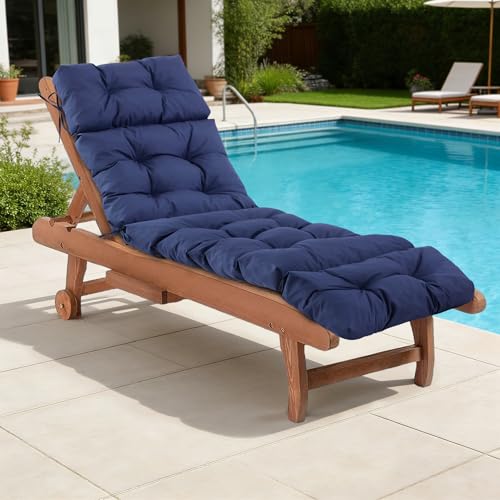
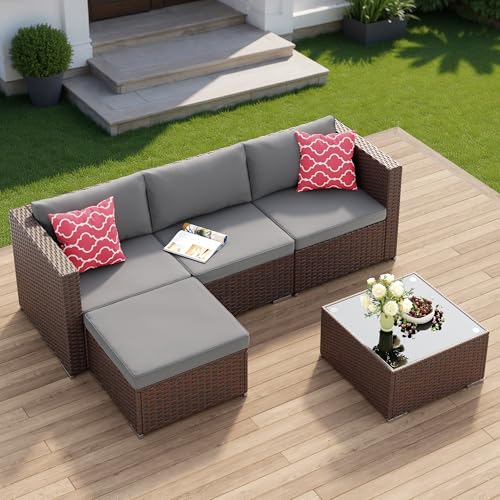
Most Comfortable Outdoor Furniture Without Cushions
Skip the soggy cushions and constant maintenance. Discover cushionless outdoor seating that stays supportive, dries fast, and looks great season after season.
Why go cushion-free? Cushions look plush in the showroom, but outdoors they soak up rain, fade in the sun, harbor mildew, and need replacing every few seasons. The most comfortable outdoor furniture without cushions solves all of that — it relies on smart frame geometry, breathable suspension materials, and ergonomic contours to deliver comfort that lasts. This guide walks you through the materials, designs, and features that actually matter, so you can buy once and enjoy for years.
If you are still furnishing a larger space, our broader outdoor furniture overview is a good companion to this guide, and our patio furniture collection covers full set configurations. But if your priority is comfort without the cushion hassle, read on — the categories below are where cushionless design truly shines.
The Four Cushionless Categories That Actually Feel Comfortable
Not every cushion-free chair is comfortable. The difference comes down to how the seat and back are built. These four categories consistently rank highest for comfort among cushionless designs.
Sling Seating
A taut, breathable fabric suspension cradles the body like a hammock. Sling chairs dry almost instantly after rain, resist mildew, and offer gentle, even support. Mid-range and premium slings use double-layer textilene for a smoother, less stretchy feel.
Wicker & Resin Weave
Hand-woven resin wicker over a metal frame creates a contoured, body-hugging shape that needs no cushion at all. High-end weaves are UV-stabilized and colorfast, so they keep their shape and finish through years of sun exposure.
Aluminum & Metal Seating
Powder-coated aluminum chairs with curved, perforated seats and backs deliver surprising comfort while staying light and rust-proof. Premium cast-aluminum designs add sculpted ergonomics that rival upholstered seating.
Adirondack & Solid Wood
The classic Adirondack’s angled back and deep seat are designed to be used bare. Entry-level models in softwood are fine for occasional use, while top-tier teak and cedar versions last decades and weather to a beautiful silver-grey.
Comfort Comparison at a Glance
Use this table to match a material to your climate, usage, and comfort priorities. It compares relative qualities — not specific products — so it stays useful no matter what is on the market.
| Material | Comfort Feel | Weather Resistance | Maintenance | Typical Tier |
|---|---|---|---|---|
| Sling (textilene) | Supportive, slight give | Excellent — dries fast | Wipe clean | Mid-range to premium |
| Resin wicker | Contoured, firm | Excellent — UV-stabilized | Rinse occasionally | Mid-range to high-end |
| Powder-coated aluminum | Firm, breathable | Excellent — rust-proof | Minimal | Entry-level to premium |
| Teak / cedar | Firm, warm | Very good — weathers naturally | Occasional oiling (optional) | Premium to luxury |
| Softwood (pine/fir) | Firm | Fair — needs sealing | Annual treatment | Entry-level to budget-friendly |
Comfort is subjective, but ergonomics are not. A well-designed cushionless chair should support your thighs evenly, keep your lower back gently arched, and let air circulate behind you. If you are comparing full patio sets, our patio conversation sets guide explains how seating depth and back angle affect long-term comfort.
What to Look For Before You Buy
The details below separate genuinely comfortable cushionless furniture from pieces that only look the part. Prioritize these features when comparing options.
- Seat depth and slope: A slight backward slope (about 5–10 degrees) and a depth that leaves two to three inches behind your knees prevents pressure on the thighs.
- Lumbar support: Look for a back that curves at the lower spine, or choose a model with a built-in lumbar panel. Flat backs are the most common comfort failure.
- Breathable materials: Sling fabric and perforated metal allow airflow — critical in hot, humid climates where non-breathable surfaces feel sticky.
- Frame finish: Powder-coated aluminum and UV-stabilized resin resist chipping, fading, and rust far better than painted steel or untreated wood.
- Weight and stability: A wider stance and slightly heavier frame prevent tipping and wobble, which matters on decks and uneven patios.
- Armrest height: Arms should let your shoulders relax without hunching. Adjustable or wide armrests add comfort for lounging and dining.
If your outdoor area is exposed to intense afternoon sun, pair your furniture with shade to extend its lifespan and keep it comfortable to sit on — our patio umbrellas guide covers shade options that work with cushionless sets.
Comfort Picks by Seating Category
Sling Chairs and Recliners
Sling seating is the most popular cushionless choice for good reason. The fabric suspension distributes weight evenly and flexes slightly as you sit, so it feels supportive rather than rigid. Entry-level slings can stretch over time, but mid-range and premium models use tighter, double-layer weaves that hold their shape. Sling designs are especially comfortable for dining, reading, and casual lounging, and they are the easiest to clean after rain. Our outdoor furniture hub has related seating styles if you want to compare with cushioned options.
Resin Wicker Armchairs and Sofas
Woven resin wicker is molded into curves that hug the body, so it works beautifully without any padding. The weave itself provides a little give, and the open structure lets air move through. High-end UV-stabilized wicker keeps its color and shape through years of sun, while entry-level versions may fade faster. Wicker works especially well for conversation areas; see our patio conversation sets guide for layout ideas.
Aluminum and Metal Seating
Powder-coated aluminum is the lightest and most rust-resistant option, and modern designs use curved, perforated seats that feel surprisingly ergonomic. Premium cast-aluminum chairs add sculpted contours that rival cushioned seating. Metal is a strong pick for coastal or humid climates where other materials degrade quickly. Pair a metal dining set with a shade solution from our patio umbrellas collection for comfortable all-day use.
Adirondack and Solid Wood Chairs
The Adirondack shape — deep seat, fan back, wide arms — was designed to be used without a cushion. Softwood versions are budget-friendly but need sealing, while premium teak and cedar last for decades and weather gracefully. Wood chairs add warmth and a classic look, and they are ideal for fire-pit areas and relaxed lounging. Our outdoor fireplaces guide pairs well with wood seating for cozy evening setups.
Ready to Shop Cushionless Comfort?
Browse our curated selection of comfortable outdoor furniture without cushions — sling, wicker, metal, and wood designs chosen for ergonomics, weather resistance, and long-term value.
View Recommended PicksKeep Cushionless Furniture Comfortable for Years
Cushionless furniture is low-maintenance, but a few habits keep it comfortable and looking new:
- Rinse sling fabric and wicker with a garden hose a few times per season to remove pollen and dust.
- Wipe metal frames with mild soapy water; avoid abrasive cleaners that dull powder coating.
- Oil teak annually if you want a golden finish; skip it if you prefer the natural silver-grey patina.
- Tighten bolts and check joints at the start of each season to prevent wobble.
- Store or cover furniture during off-season to extend its lifespan, especially in freezing climates.
For broader outdoor setup ideas, explore our outdoor living section, and if you are planning shade and structure around your seating, the pergola ideas guide can help you design a comfortable, sheltered space.
Frequently Asked Questions
Is cushionless outdoor furniture really comfortable?
Yes — when the design is right. Sling suspension, contoured wicker, and ergonomic metal seats distribute weight and support the back without padding. The key is choosing models with proper seat depth, lumbar curve, and breathable materials.
Which material is best for hot, humid climates?
Sling fabric and perforated aluminum are the best choices because they allow airflow and dry quickly. Resin wicker is also a strong option. Avoid untreated wood and non-breathable surfaces in humid conditions.
Do cushionless chairs work for dining and lounging?
Absolutely. Sling dining chairs and metal bistro sets are excellent for meals, while Adirondack and wicker lounge chairs suit relaxed seating. Match the seat height and back angle to the activity.
How do I keep cushionless furniture from fading?
Choose UV-stabilized resin or powder-coated finishes, and use shade from umbrellas or pergolas during peak sun. Rinsing and covering furniture in the off-season also extends its color life.
Can I add a thin pad later if I want extra softness?
Yes. Cushionless designs accept thin seat pads if you occasionally want extra softness, but the frame geometry is what delivers the core comfort — a pad is optional, not required.
For a complete outdoor setup, consider pairing your seating with shade and structure from our outdoor living guides, and explore patio furniture options if you want to compare cushionless and cushioned configurations side by side.