Nasturtium Plants: Vibrant Beauty, Edible Delight & Easy Growth
Discover the complete guide to nasturtium plants. From planting and care to culinary uses and companion planting, learn everything you need to grow these cheerful, versatile flowers in your garden.
Start Growing NasturtiumsLet Gardening Introduce You to Nasturtiums: Nasturtiums (Tropaeolum majus) are among the most rewarding plants you can grow. With their vibrant, jewel-toned flowers and rounded, lily-pad-like leaves, they bring instant charm to any garden. But they're more than just a pretty face—every part of the nasturtium plant is edible, from the peppery leaves to the stunning blooms. Whether you're a seasoned gardener or just starting out, nasturtiums are a fantastic choice for borders, containers, hanging baskets, and even as a trap crop in your vegetable patch.
What Are Nasturtium Plants?
Nasturtiums are fast-growing annuals (or tender perennials in frost-free climates) native to South and Central America. They belong to the genus Tropaeolum, with the most common garden species being T. majus (climbing or trailing) and T. minus (dwarf or bush). Their name comes from the Latin nasus tortus, meaning "twisted nose," a reference to the plant's pungent, peppery scent that many find invigorating.
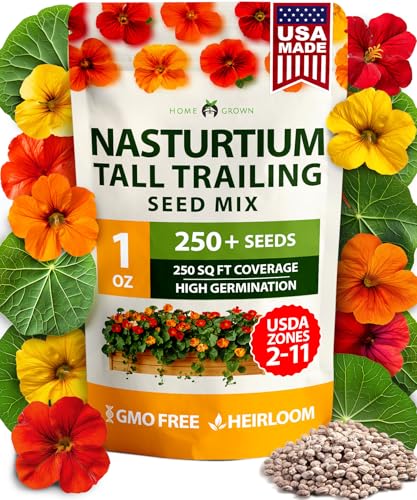
These cheerful plants are incredibly versatile. They can be grown as ground cover, allowed to spill over the edges of containers, or trained to climb up trellises and fences. Their flowers come in a warm palette of oranges, yellows, reds, and mahogany, often with attractive speckling or contrasting throats.
Did You Know? Nasturtiums are a gardener's best friend! They act as a trap crop, attracting aphids and other pests away from more valuable vegetables like tomatoes and beans. They also attract beneficial pollinators like bees, butterflies, and hummingbirds to your garden.
For more on creating a pollinator-friendly garden, check out our guide on butterfly plants.
Top Benefits of Growing Nasturtiums
- Edible Flowers & Leaves: Both the flowers and leaves have a peppery, watercress-like flavor, perfect for salads, garnishes, and compound butters.
- Companion Plant Hero: They repel cucumber beetles, squash bugs, and other pests while luring aphids away from your prized vegetables.
- Low Maintenance & Easy to Grow: Nasturtiums thrive in poor to average soil and require little water or fertilizer. They are an excellent choice for beginner gardeners.
- Fast-Growing & Colorful: They bloom from summer until the first frost, providing a continuous display of vibrant color.
- Versatile in the Landscape: Use them in borders, hanging baskets, window boxes, or as a colorful ground cover.
- Seed Saving is Simple: They produce large, easy-to-collect seeds, making them a thrifty choice for gardeners who enjoy saving their own seed.
If you're looking for more low-maintenance low-maintenance plants for front yard landscaping, nasturtiums are a perfect candidate.
Popular Nasturtium Varieties
Nasturtiums come in a delightful array of varieties, from compact dwarfs to vigorous climbers. Here are some favorites to consider for your garden:
- 'Alaska' Series: Known for its striking variegated leaves (white and green) and cheerful mix of red, orange, and yellow flowers. A compact, bush-type plant, perfect for containers.
- 'Empress of India': A classic heirloom variety with semi-double, deep crimson-red flowers and dark blue-green leaves. This bush-type nasturtium has a more upright growth habit.
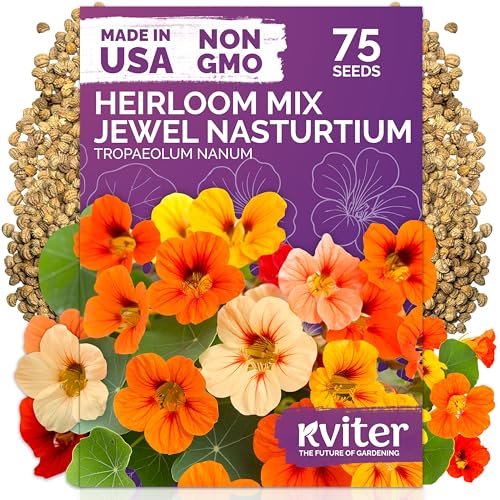
- 'Jewel Mix': A popular dwarf mix that produces a brilliant blend of colors on compact plants. Ideal for borders and bedding.
- 'Moonlight': A stunning climbing variety with delicate, pale yellow flowers that seem to glow in the evening light. It has a softer, more subtle presence than the brighter varieties.
- 'Tom Thumb' (Dwarf): A very compact variety, perfect for small spaces, rock gardens, or the front of borders. It produces a dense mound of color.
- 'Tropaeolum peregrinum' (Canary Creeper): A true climber with unique, fringed, bright yellow flowers that resemble tiny birds. It's a vigorous grower, ideal for covering unsightly fences or structures.
For those interested in vertical gardening, consider training climbing nasturtiums on a trellis, much like you would with other vining plants.
How to Grow Nasturtiums: Planting & Care Guide
Nasturtiums are wonderfully easy to grow, making them a joy for gardeners of all levels. Here's everything you need to know:
When to Plant
Sow nasturtium seeds directly in the garden in the spring after the last frost date. They germinate quickly, usually within 7 to 10 days. In warmer climates (USDA zones 9-11), you can sow them in the fall for winter blooms.
Where to Plant
Choose a location with full sun (at least 6 hours of direct sunlight) for the best flowering. They can tolerate partial shade, but will produce more foliage and fewer blooms. Nasturtiums prefer well-draining soil and thrive in poor to average soil conditions. Overly rich soil will result in lush foliage but fewer flowers.
How to Plant
- Sow seeds ½ to 1 inch deep and 10 to 12 inches apart (space 6-8 inches for dwarf varieties).
- Water gently after planting and keep the soil consistently moist until seedlings emerge.
- For climbing varieties, provide a trellis, fence, or netting for support.
Ongoing Care
- Watering: Water regularly until established. Once mature, they are relatively drought-tolerant. Water deeply when the soil is dry to the touch, but avoid overwatering as this can lead to root rot.
- Fertilizing: Do not fertilize nasturtiums! They prefer poor soil. Adding fertilizer, especially nitrogen-rich types, will cause an explosion of leafy growth at the expense of flowers.
- Pruning: Deadheading (removing spent flowers) encourages more blooms and keeps the plant looking tidy. You can also trim back leggy growth to promote bushier plants.
- Pest & Disease: Aphids are attracted to nasturtiums. A strong blast of water can dislodge them, or you can use an insecticidal soap. In humid conditions, they may suffer from powdery mildew. Ensure good air circulation and water at the base of the plant to prevent this.
For a deeper dive into natural pest control methods, explore our guide on natural pest control.
Pro Tip: If you're growing nasturtiums as a trap crop for aphids, plant them a few feet away from your prized vegetables like tomatoes or beans. The aphids will be drawn to the nasturtiums, allowing you to easily manage the infestation or let beneficial insects feast on the pests.
Harvesting and Using Your Nasturtiums
One of the most delightful aspects of growing nasturtiums is their culinary versatility. You can harvest both the leaves and flowers from the moment the plant is established.
- Leaves: Pick young, tender leaves for the best flavor. They have a peppery kick, similar to watercress, and are wonderful in salads, sandwiches, or blended into pesto.
- Flowers: Harvest flowers when they are fully open. They can be used whole as a stunning edible garnish, floated in drinks, or stuffed with soft cheese for an elegant appetizer.
- Seeds: Green seed pods can be picked and pickled as a poor man's caper. They have a crisp texture and a sharp, tangy flavor.
- Harvesting Method: Snip leaves and flowers with clean scissors or pinch them off with your fingers. For a continuous supply, harvest regularly to encourage the plant to produce more.
If you're interested in other edible plants, you might enjoy our guide on edible flowers.
Creative Ideas for Using Nasturtiums
Beyond the vegetable patch, nasturtiums offer a world of creative possibilities for the home and garden. Here are a few ideas to get you started:
- Edible Flower Cake Toppers: Use candied or fresh nasturtium blossoms to create a stunning, natural cake decoration.
- Peppery Herb Butter: Finely chop nasturtium leaves and flowers and blend them into softened butter with a pinch of salt and garlic for a flavorful compound butter.
- Colorful Salads: Toss a mix of vibrant nasturtium blossoms and young leaves into your favorite salad for an instant pop of color and a peppery punch.
- Floating Flower Decor: Float a few single blooms in a bowl of water for a simple, elegant centerpiece for a summer table.
- Natural Dye: The bright orange and yellow pigments in the flowers can be used to create a natural dye for fabrics or even egg coloring.
For more inspiration on enhancing your outdoor spaces, check out our outdoor living ideas.
Frequently Asked Questions About Nasturtiums
Q: Are nasturtiums deer resistant?
A: Yes, nasturtiums are generally considered deer-resistant due to their peppery scent and taste. This makes them an excellent choice for gardens in areas with high deer pressure.
Q: Can nasturtiums grow in shade?
A: They prefer full sun for the best flowering. In partial shade, they will grow, but they will produce more leaves and fewer flowers, and the plant may become leggy as it stretches for light.
Q: Do nasturtiums come back every year?
A: Nasturtiums are annuals in most climates. They will not survive a hard frost. However, they self-seed readily. If you allow the seeds to drop and don't disturb the soil, new plants will often sprout the following spring.
Q: Can I grow nasturtiums indoors?
A: Yes, you can grow them indoors in a sunny window or under grow lights. They make excellent houseplants, though they may need some support to trail if you choose a climbing variety.
Let Nasturtiums Brighten Your Garden
Nasturtiums are a true gift to the gardener. They are easy to grow, stunning to look at, delicious to eat, and incredibly beneficial to the health of your garden. Whether you plant them for their beauty, their culinary value, or their power as a companion plant, they are sure to earn a place in your heart and your garden. So why wait? Start planting and let these vibrant, cheerful flowers inspire you.
For more gardening inspiration, be sure to explore our other guides on plants and flowers.