Natural Way to Get Rid of Weeds in Garden: Effective Organic Control
Discover eco-friendly and safe methods to eliminate weeds naturally, keeping your garden healthy without synthetic herbicides.
Explore Natural Methods🌱 Why Choose Natural Weed Control? Chemical herbicides can harm beneficial insects, soil health, and even your family. Natural methods are sustainable, safe, and just as effective when done correctly. Let's explore the best organic ways to keep your garden weed-free!
Understanding Weeds: The First Step to Natural Control
Before you can effectively eliminate weeds, it's helpful to understand them. Weeds are simply plants growing where they aren't wanted. They compete with your garden plants for water, nutrients, and sunlight. Some weeds, like dandelions and clover, can even indicate soil conditions. Learning to identify common garden weeds is the first step toward a successful natural management strategy.
Top Natural Ways to Get Rid of Weeds
1. Mulching: The Ultimate Weed Barrier
Applying a thick layer of organic mulch (like wood chips, straw, or shredded leaves) is one of the most effective natural weed control methods. A 3-4 inch layer blocks sunlight from reaching weed seeds, preventing them from germinating. Mulch also retains soil moisture and improves soil health as it decomposes. This is particularly effective for vegetable gardens and flower beds.
2. Hand Pulling & Hoeing
For small gardens or spot treatments, nothing beats the simple act of hand pulling or hoeing. The key is to remove the entire root system, especially for tap-rooted weeds like dandelions. Do this when the soil is moist—after a rain or watering—to make the job easier. Regular hoeing can also prevent weeds from establishing in the first place.
This method is labor-intensive but incredibly effective, precise, and chemical-free. It also gives you a chance to inspect your plants up close.
3. Natural Herbicide Solutions
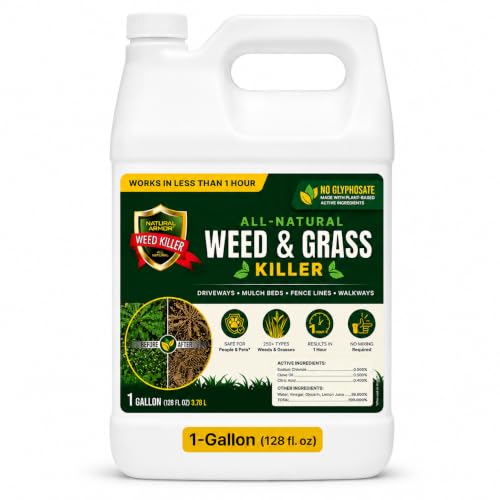
You can create effective, non-toxic weed killers from common household ingredients. The most popular is a solution of white vinegar (with 5-10% acidity), salt, and dish soap. This mixture works as a desiccant, drying out the weeds. However, use it carefully as it can also affect desired plants and soil health if overused.
- Vinegar Spray: Mix 1 gallon of white vinegar, 1 cup of salt, and 1 tablespoon of dish soap. Spray directly on weed leaves on a sunny day.
- Boiling Water: A simple and immediate solution. Carefully pour boiling water directly onto weeds, especially those growing in cracks or between pavers.
4. Solarization: Let the Sun Do the Work
Soil solarization is a method that uses the sun's heat to kill weed seeds and roots. Cover the ground with clear plastic sheeting for 4-6 weeks during the hottest part of summer. The heat builds up under the plastic, effectively "cooking" the weeds and their seeds. This is ideal for preparing new garden beds or clearing large areas before planting.
This method is highly effective for eradicating persistent weeds and can improve soil health for future planting.
5. Corn Gluten Meal: A Natural Pre-Emergent
Corn gluten meal is a natural byproduct of corn processing that acts as a pre-emergent herbicide. It prevents weed seeds from forming roots, stopping them from sprouting. It's particularly effective against annual weeds like crabgrass. Apply it in the spring and fall, following package instructions. As a bonus, it's rich in nitrogen and beneficial for your lawn.
Note that this method won't kill existing weeds, but it can be a powerful tool for long-term prevention when combined with other strategies.
Prevention: The Key to a Weed-Free Garden
A proactive approach is the most effective way to reduce the number of weeds in your garden. Healthy, well-maintained gardens with dense, vigorous plants naturally crowd out weeds. Here are some proven prevention strategies to incorporate into your gardening routine.
🌱 Healthy Soil
Fertile, well-aerated soil supports strong plant growth, leaving less room for weeds to establish.
💧 Water Wisely
Water deeply and less frequently to encourage deep root growth in desired plants, making them more competitive.
🌿 Dense Planting
Space plants appropriately so that their foliage shades the soil, preventing weed seeds from getting the light they need.
What to Avoid for a Truly Organic Garden
While you explore natural methods, it's also helpful to know what not to do. Using synthetic herbicides, even occasionally, can have long-lasting effects on your garden's ecosystem. Avoid tilling too deeply, as it can bring dormant weed seeds to the surface. Also, be cautious with homemade salt/vinegar solutions—overuse can harm soil health and damage nearby plants.
Instead, focus on building a resilient garden where your desired plants thrive. This proactive approach, combined with the targeted natural methods described above, will minimize weed problems.
Key Takeaways for Natural Weed Management
- ✅ Mulching is the most effective long-term preventative strategy.
- ✅ Hand pulling and hoeing are safe, chemical-free options for immediate control.
- ✅ Use homemade vinegar solutions sparingly and with care to avoid harming desired plants.
- ✅ Solarization and corn gluten meal are excellent proactive tools for seed prevention.
- ✅ The ultimate solution is a healthy, dense garden that naturally outcompetes weeds.
Let Gardening Help You Succeed
Adopting a natural approach to weed control not only protects your health and the environment but also promotes a more vibrant, productive garden. By understanding the different methods and applying them strategically, you can enjoy a beautiful, weed-free garden without relying on synthetic chemicals. Explore our other expert gardening guides for more tips on nurturing your outdoor space.