Outdoor Interlocking Polypropylene Patio & Deck Tile Flooring
Transform your patio, balcony, or deck with durable, easy-to-install interlocking polypropylene tiles. Discover how these modular flooring solutions deliver a stylish, low-maintenance surface without the cost and complexity of traditional hardscaping.
Explore the Buying GuideWhat Are Interlocking Polypropylene Patio Tiles?
Outdoor interlocking polypropylene patio and deck tiles are modular square or rectangular flooring units made from polypropylene, a tough, weather-resistant thermoplastic. Each tile features precision-molded interlocking edges — typically a snap-together peg-and-hole or dovetail design — that connect without tools or adhesives. The result is a floating floor surface that sits over existing concrete, wooden decking, compacted gravel, or even bare ground.
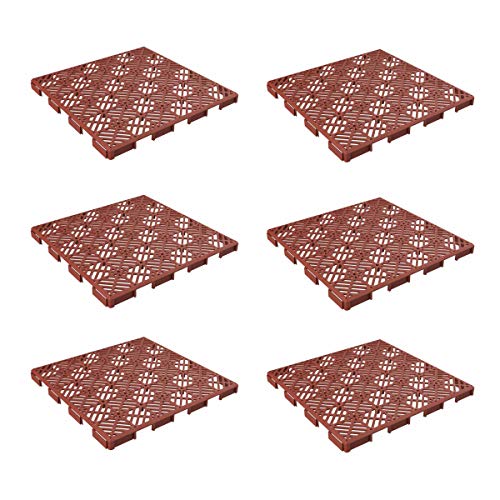
These tiles are available in a wide range of finishes: realistic wood-grain patterns, stone-look textures, solid colors, and open-slat designs that allow water to drain freely. Because they are made of plastic rather than wood or composite, they resist rot, mold, mildew, and insect damage — making them a smart choice for humid climates and poolside areas. For homeowners exploring low-maintenance landscaping ideas, interlocking deck tiles represent a practical upgrade that requires minimal upkeep.
Key Benefits of Polypropylene Deck Tiles
🛠️ Tool-Free Installation
The snap-together design means most homeowners can cover a typical patio in a single afternoon. No mortar, no screws, no specialized skills required — a true DIY-friendly upgrade.
💧 Weather & Moisture Resistant
Polypropylene does not absorb water, rot, or warp. Unlike wood decking, it stands up to rain, snow, and humidity without swelling or deteriorating.
🧹 Easy to Clean
A broom, a hose, or a damp mop is usually all you need. There is no sanding, staining, or sealing — a major advantage for busy households.
♻️ Removable & Reversible
Tiles can be lifted and rearranged or replaced individually. This makes them ideal for renters or anyone who likes to change their outdoor layout seasonally.
🌿 Covers Problem Surfaces
Conceal cracked concrete, worn decking, or uneven ground instantly. A floating tile floor can visually rescue an outdoor space without structural work.
🦶 Comfort & Safety
Many tiles feature textured surfaces for slip resistance and a slightly softer feel underfoot compared to bare concrete or stone.
Polypropylene vs. Other Deck Tile Materials
When comparing outdoor flooring options, it helps to see how polypropylene stacks up against common alternatives. The table below summarizes the trade-offs at a glance.
| Feature | Polypropylene | Wood / Composite | Ceramic / Stone |
|---|---|---|---|
| Water resistance | Excellent — will not absorb water | Moderate — requires sealing | Good — but grout can stain |
| Installation | Snap-together, tool-free | Clips or screws required | Mortar or thinset required |
| Maintenance | Minimal — sweep and rinse | Regular cleaning and sealing | Periodic grout cleaning |
| Weight | Lightweight | Moderate to heavy | Very heavy |
| Removability | Fully removable | Partially removable | Permanent |
| Typical tier | Budget-friendly to premium | Mid-tier to luxury | Mid-range to luxury |
What to Look for When Buying Polypropylene Deck Tiles
Not all interlocking tiles are created equal. The following criteria will help you compare products on the factors that matter most for outdoor durability and appearance.
UV Stabilization
Look for tiles explicitly labeled UV-stabilized or UV-resistant. Without this treatment, polypropylene can fade or become brittle after prolonged sun exposure. Mid-range and premium products almost always include this feature.
Tile Thickness
Thicker tiles generally feel more solid underfoot and resist flexing. Entry-level tiles may be thinner, while premium options offer more substantial construction for high-traffic areas.
Drainage Design
Slatted or perforated designs allow rainwater to pass through, preventing puddles. This is especially important for pool decks and areas with poor drainage.
Interlock Mechanism
A tight, secure snap-fit reduces gaps and movement. Premium tiles often feature reinforced connectors or a dual-locking design for a more stable surface.
Slip Resistance
Textured or embossed surfaces provide better grip when wet. If the tiles will surround a pool or spa, prioritize slip-resistant finishes.
Finish & Aesthetics
Wood-grain and stone-look finishes can mimic natural materials convincingly. Consider how the tile color and texture will complement your existing patio design and outdoor furniture.
How to Install Interlocking Patio Tiles
One of the biggest advantages of polypropylene deck tiles is the straightforward installation process. While every product has slightly different instructions, the general steps are consistent across most brands.
- Prepare the surface. Clear the area of debris, weeds, and loose material. The base should be reasonably level and firm. For concrete, sweep and rinse. For gravel or soil, compact the surface and consider a weed barrier membrane.
- Plan your layout. Dry-fit a few tiles to determine the best starting corner and pattern direction. Account for any edges that will need trimming around walls, posts, or planters.
- Begin at one corner. Snap the first tile into place, then connect subsequent tiles by aligning the interlocking edges and pressing firmly until they click together.
- Work in rows. Continue laying tiles row by row, checking alignment periodically. The snap-fit design naturally keeps rows straight, but a gentle tap with a rubber mallet can help stubborn connections.
- Trim edge tiles. For borders, measure and cut tiles with a fine-tooth saw or utility knife (depending on tile thickness). Leave a small expansion gap of about 1/4 inch near walls.
- Finish the perimeter. Use edge trim pieces or a border of gravel or mulch to secure the outer tiles and give the installation a clean, finished look.
For larger projects or areas with significant grade changes, consider consulting a professional. If your project involves broader yard improvements, our guides on low-maintenance front yard landscaping with rocks and paver installation offer additional context on hardscape planning.
Where to Use Interlocking Deck Tiles
These versatile tiles work in far more places than just the main patio. Consider them for:
Balconies & Rooftops
Lightweight and removable, they are ideal for renters or condo owners who want to upgrade a concrete balcony without permanent modifications.
Pool Decks
Slatted tiles with drainage channels keep water moving and provide a cooler, more comfortable surface than hot concrete. Pair with outdoor living furniture for a resort-style feel.
Under Pergolas & Gazebos
Define a seating area beneath a pergola or shade structure with a distinct flooring material that contrasts with the surrounding lawn or gravel.
Hot Tubs & Spas
Water-resistant and slip-resistant tiles are a natural fit around hot tubs, where splashing and humidity are constant concerns.
Camping & RV Areas
Portable and easy to pack, interlocking tiles can create a clean, mud-free entry area outside an RV or tent.
Pet Areas
Easy to hose down and disinfect, these tiles work well for dog runs or outdoor pet enclosures.