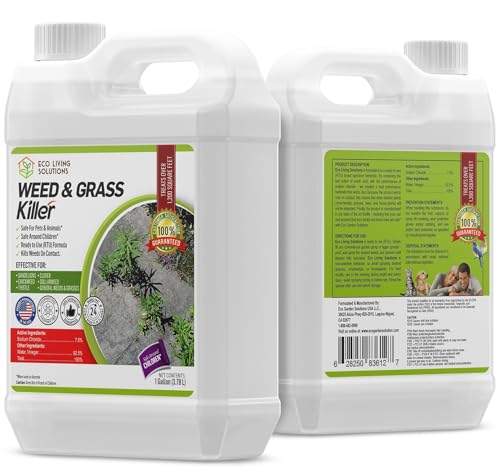
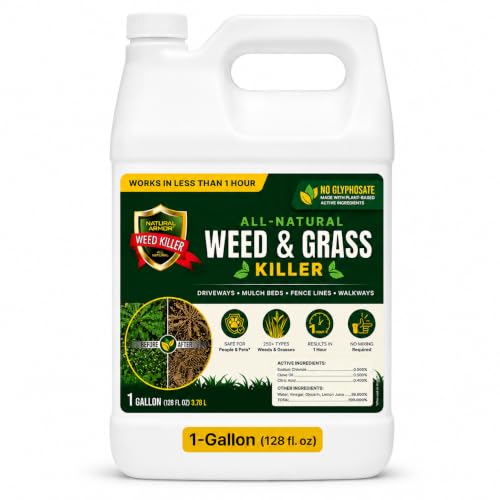
Recipe for Natural Weed Killer Using White Vinegar
Discover the most effective, eco-friendly recipe for a natural weed killer using white vinegar, salt, and dish soap. Say goodbye to harsh chemicals and hello to a beautiful, weed-free garden!
Let Gardening Help You Go Green! Weeds can be the bane of any gardener's existence. But you don't need to resort to toxic herbicides to keep them at bay. A simple, powerful, and natural weed killer can be made with ingredients you likely already have in your kitchen. This guide will show you exactly how to make and use a white vinegar weed killer effectively, safely, and affordably. Say goodbye to back-breaking weeding and hello to a more sustainable approach to garden care.
Why Choose a Natural Weed Killer?
Commercial weed killers often contain harmful chemicals like glyphosate, which can pose risks to your health, your family, pets, and the environment. They can contaminate groundwater, harm beneficial insects like bees, and leave toxic residues in your soil. Switching to a natural weed killer is a smart choice for several reasons:
- Eco-Friendly: It breaks down quickly in the environment, leaving no harmful residues.
- Safe for Families & Pets: Once dry, it's safe for children and animals to be around.
- Cost-Effective: White vinegar, salt, and dish soap are very inexpensive.
- Easy to Make: The recipe is simple and takes just minutes to prepare.
The Ultimate Natural Weed Killer Recipe
This is the most effective and widely used recipe for a natural weed killer using white vinegar. It's a powerful combination that desiccates weeds quickly.
Ingredients:
- 1 Gallon of White Vinegar (5% Acidity): This is the standard household vinegar. For even better results, look for horticultural vinegar with 20-30% acidity, but use it with extreme caution.
- 1 Cup of Table Salt: Salt acts as a desiccant, drawing moisture out of the weed's leaves and roots.
- 1 Tablespoon of Dish Soap: The soap acts as a surfactant, helping the vinegar and salt stick to the weed's leaves and penetrate the waxy cuticle.
Instructions:
- Combine: In a large bucket or garden sprayer, combine the white vinegar and salt. Stir well until the salt is fully dissolved. This may take a few minutes.
- Add Soap: Add the dish soap and stir gently to combine. Avoid creating excessive suds.
- Transfer (if needed): Pour the mixture into a spray bottle or garden sprayer for application.
- Apply: Spray the natural weed killer directly onto the leaves and stems of the weeds you want to eliminate. Be careful to avoid spraying desirable plants, as this solution will kill any plant it comes into contact with.
Tips for Maximum Effectiveness
Using your natural weed killer correctly is key to getting the best results. Follow these expert tips for a weed-free garden.
☀️ Apply on a Sunny Day: The sun's heat activates the acetic acid in the vinegar, making it more effective. Apply on a dry, sunny day with little to no wind to avoid drift.
🌱 Treat Young Weeds: This solution works best on young, tender weeds. Established perennial weeds with deep roots may require multiple applications.
🎯 Be Precise: This is a non-selective herbicide. It will kill or damage any plant it touches. Use a shield or spray carefully to protect your landscaping and desirable plants.
🔄 Repeat as Needed: For stubborn weeds, you may need to reapply the solution every few days until the weed is completely dead.
Natural vs. Chemical Weed Killers: A Comparison
| Feature | Natural Weed Killer (Vinegar/Salt) | Chemical Weed Killer (e.g., Glyphosate) |
|---|---|---|
| Effectiveness | Effective on young, annual weeds; may need multiple applications on perennials. | Very effective, systemic (kills the root). |
| Environmental Impact | Biodegradable, breaks down in soil, minimal environmental risk. | Can persist in soil, potential for water contamination, harmful to bees. |
| Safety | Safe for pets and children once dry; non-toxic. | Toxic, requires PPE, dangerous if ingested or inhaled. |
| Cost | Very inexpensive, uses common household items. | More expensive; requires specialized products. |
| Speed of Action | Visible results in hours, complete kill in 24-48 hours. | Visible results in days, complete kill in 1-2 weeks. |
Important Safety & Usage Information
While a natural weed killer is much safer than chemical alternatives, it's still a powerful solution. Use it responsibly:
- Protect Your Desirable Plants: This mixture is non-selective and can damage or kill any plant it touches.
- Soil pH: Heavy or repeated use of salt-based weed killer can alter the soil's pH and salinity, potentially affecting future plant growth.
- Avoid Over-Application: Use it sparingly, especially in areas where you plan to plant new flowers or vegetables.
- Eye & Skin Contact: While less toxic, the mixture can cause irritation. Avoid contact with eyes and skin. Wear gloves when spraying.
Conclusion: Embrace Natural Weed Control
Using a natural weed killer like the white vinegar, salt, and dish soap recipe is a fantastic way to maintain a beautiful garden without resorting to harsh chemicals. It's a simple, effective, and sustainable method that aligns with a healthier lifestyle and a thriving ecosystem. By following this guide, you're taking a positive step toward a greener, more beautiful garden. Let gardening be your happy place, naturally!
Ready to tackle those weeds? This solution is perfect for use on driveways, patios, walkways, and in your vegetable garden beds (being careful not to spray your vegetables!). It's also an excellent option for landscaping projects where you want to clear an area without residual toxins. For those stubborn weeds in lawn care, it's a targeted solution that won't harm your grass if applied precisely. Once you've used this recipe, you'll wonder why you ever used anything else. Happy gardening!