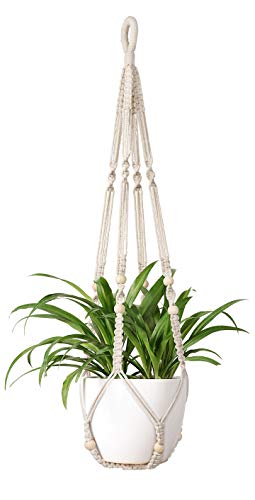
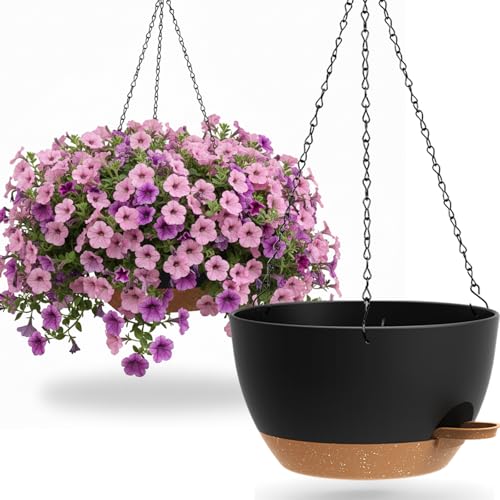
The spider plant (Chlorophytum comosum) is one of the most forgiving houseplants you can grow, and nowhere does it look more spectacular than in a hanging basket. Its arching, ribbon-like leaves spill over the rim, and mature plants send out long runners tipped with baby plantlets that dangle like little green spiders — hence the name. A well-placed spider plant hanging basket adds instant height, movement, and texture to a room while purifying the air and requiring surprisingly little attention.
If you are researching this plant before buying one, you are in the right place. This guide covers everything a new or experienced owner needs: choosing a basket, choosing the right tier of planter, watering rhythm, light requirements, soil mix, propagation, pest prevention, and design ideas. By the end, you will know exactly which spider plant hanging basket setup suits your home and how to keep it thriving for years.
Why Grow a Spider Plant in a Hanging Basket?
Spider plants naturally cascade. In a pot on a shelf, the runners drape awkwardly against nearby objects. In a hanging basket, the plant has room to arch, the plantlets hang freely, and the plant receives even light on all sides. Hanging also keeps the plant away from curious pets and toddlers, protects it from floor-level drafts, and saves valuable surface space in small rooms.
Quick Care Snapshot
Light
Bright, indirect light is ideal. Tolerates low light but grows slower and may lose variegation.
Water
Water when the top inch of soil is dry. Roughly weekly in summer, every 2–3 weeks in winter.
Soil
Well-draining potting mix with perlite. Avoid heavy, waterlogged soil.
Temperature
65–80°F (18–27°C). Keep away from cold drafts and heating vents.
Humidity
Average household humidity is fine; higher humidity reduces brown tips.
Toxicity
Non-toxic to cats and dogs — a safe choice for pet-friendly homes.
Choosing the Right Hanging Basket
The basket matters as much as the plant. A spider plant can grow large, with thick roots that need room, so the container must be sturdy enough to hold soil and water weight while still allowing good drainage. Baskets without drainage holes are the single most common cause of root rot in hanging spider plants.
Look for a basket that is roughly 8–12 inches across for a mature plant. Smaller starter plants do well in 6–8 inch baskets and can be upscaled every 1–2 years. The hanger should be rated for the wet weight of the pot; a fully watered 10-inch basket can weigh considerably more than the dry setup.
Materials behave differently. Woven natural fibers look warm and rustic but dry out faster. Metal baskets are durable and airy but heat up in direct sun. Plastic and resin baskets are lightweight and easy to clean. Self-watering hanging planters reduce maintenance for busy owners. If you plan to place the basket near a sunny window, a breathable woven or metal basket helps roots avoid overheating, while a plastic self-watering design is better for a low-light corner.
To keep the plant looking full and balanced, rotate the basket a quarter turn every week or two so all sides receive equal light. This prevents one-sided growth and keeps the trailing runners evenly distributed.
| Tier | Typical Basket Characteristics | Best For |
|---|---|---|
| Budget-friendly | Basic plastic or light resin baskets with simple hooks or ropes. Lightweight and easy to wipe clean. | First-time owners, starter plants, temporary seasonal displays. |
| Mid-range | Woven natural fiber, coated metal, or sturdy resin with reinforced hangers. Better drainage and shape retention. | Long-term indoor displays and households that want a decorative finish. |
| Premium | Self-watering reservoirs, UV-stable materials, adjustable macramé or steel hangers, and integrated saucers. | Busy owners, large mature plants, and rooms where the basket is a visible design feature. |
| Luxury | Designer ceramic or handcrafted baskets with concealed hardware and custom hanging systems. | Statement interiors and collectors who treat the planter as décor. |
If you enjoy pairing trailing plants with other decorative garden features, our guide to zen garden ideas shows how hanging greenery fits into a calm, layered indoor or patio scheme.
Potting Soil and Repotting
Spider plants are not fussy about soil, but they do need drainage. A standard indoor potting mix amended with perlite or coarse sand works well. Avoid heavy garden soil, which compacts in a hanging basket and traps water near the roots. The ideal mix holds moisture without staying soggy.
Repot when roots begin to circle the drainage holes or push above the soil surface. This usually happens every 1–2 years. Choose a basket one size larger, gently loosen the root ball, and refresh the soil. Spring is the safest time to repot because the plant is entering active growth. If your plant is already large, consider dividing it — spider plants tolerate division well and you can create several new hanging baskets from one mature plant.
For owners growing other indoor plants alongside the spider plant, the same principles apply. Our article on tall indoor plants that don't need much light explains how to position taller specimens so they do not shade a hanging basket.
Watering a Hanging Spider Plant
Hanging baskets dry out faster than pots on a shelf because air circulates around the entire container, including the bottom. Check the soil every few days during warm months by pressing a finger about an inch into the mix. Water thoroughly until it drains from the bottom, then let the basket hang until the top inch is dry again.
- Spring and summer: Typically once a week, more often in hot, dry rooms.
- Fall and winter: Every 2–3 weeks, depending on indoor heating and humidity.
- Signs of overwatering: Yellowing lower leaves, mushy stems, and a sour smell from the soil.
- Signs of underwatering: Crispy leaf tips, drooping foliage, and lightweight baskets.
If the basket is hung high, use a small step ladder or a long-reach watering can to avoid lifting the plant down repeatedly. Self-watering baskets are a practical solution for high ceilings. Whichever method you choose, never let the basket sit in standing water — empty any attached saucer after watering.
Light and Placement
Spider plants perform best in bright, indirect light. A spot near an east or west window, or a few feet back from a south-facing window, is close to ideal. Direct midday sun can scorch the leaves and bleach the variegation, while deep shade slows growth and reduces the number of runners.
Because hanging baskets receive light from multiple angles, they generally look fuller than floor pots. Still, rotate the basket regularly. If you notice the plant leaning toward a window, turn the basket so the opposite side faces the light. In low-light rooms, a small LED grow light suspended above the basket keeps the plant compact and colorful without adding heat.
Position the basket away from air-conditioning vents, radiators, and doors that open to cold outdoor air. Temperature swings stress the plant and cause brown leaf edges.
Humidity and Brown Leaf Tips
Brown tips are the most common complaint about spider plants, and they are usually caused by dry air, inconsistent watering, or minerals in tap water. Spider plants are sensitive to fluoride and chlorine, so filtered water, rainwater, or water left to sit overnight can reduce tip burn.
Increasing humidity helps too. Group the spider plant with other houseplants, place a small pebble tray beneath the basket if it hangs near a shelf, or run a room humidifier during winter. Misting is optional and offers only temporary relief, but it does no harm in warm weather.
If tips have already browned, trim them with clean scissors, following the natural shape of the leaf. The damaged tissue will not turn green again, but regular trimming keeps the plant tidy.
Propagating Baby Spider Plants
One of the joys of growing a spider plant in a hanging basket is the steady supply of baby plantlets. These form on long runners and can be propagated in two simple ways:
- Soil propagation: Let the plantlet remain attached to the mother plant until small roots appear, then snip the runner and press the roots into moist potting mix. Keep the new pot in bright indirect light and water lightly until new growth appears.
- Water propagation: Cut a plantlet with a short section of runner, place the base in a glass of water, and change the water every few days. Roots usually form within two to three weeks, after which the plantlet can be potted.
Spring and summer are the easiest seasons for propagation because the plant is actively growing. A single healthy mother plant can produce a dozen or more plantlets in a season, which makes spider plants excellent for sharing with friends or filling additional baskets.
If you also grow succulents or other easy houseplants, our guides on what soil to use for aloe vera and repotting aloe vera follow the same drainage-first logic that keeps spider plants healthy.
Pests and Common Problems
Spider plants are relatively pest-resistant, but hanging baskets can attract spider mites, mealybugs, and aphids, especially in dry indoor air. Inspect the undersides of leaves and the runners regularly. A shower of lukewarm water or a wipe with a damp cloth removes most pests; neem oil or insecticidal soap handles stubborn infestations.
- Yellow leaves: Usually overwatering or poor drainage.
- Brown tips: Dry air, mineral-heavy water, or inconsistent watering.
- Faded variegation: Too little light.
- No runners: The plant may be too young, too shaded, or underfed.
- Limp, mushy stems: Root rot from a basket without drainage.
Feed with a balanced liquid houseplant fertilizer diluted to half strength once a month during spring and summer. Overfeeding encourages leaf growth at the expense of runners, so a light hand is best.
Styling Ideas for Spider Plant Hanging Baskets
A hanging spider plant is a living piece of décor. In a living room, hang it near a window where the plantlets catch the light. In a bathroom with a frosted window, the natural humidity suits it well. In a kitchen, suspend it above a counter where it stays out of the way but remains visible.
For a layered look, pair a spider plant basket with other trailing plants at different heights. A macramé hanger adds texture, while a simple metal hook keeps the focus on the foliage. If your outdoor space has a covered porch, a spider plant basket can spend the warm months outside in bright shade, then move back indoors before temperatures drop.
Hanging baskets also work well alongside water features and garden lighting. Our guides to water features and solar-powered outdoor lights show how to build a cohesive outdoor retreat where greenery, water, and soft lighting reinforce each other.
Buying Checklist
Before you buy a spider plant hanging basket, confirm the following:
- The basket has drainage holes or a self-watering reservoir with an overflow.
- The hanger is rated for the wet weight of the basket and plant.
- The basket size matches the plant — about 8–12 inches for a mature specimen.
- The material suits your light conditions and décor style.
- The plant itself has firm, green leaves, no brown mushy stems, and at least one healthy runner.
Frequently Asked Questions
How often should I water a spider plant in a hanging basket?
Water when the top inch of soil feels dry, typically every 7 to 10 days in spring and summer and every 2 to 3 weeks in winter. Hanging baskets dry faster due to airflow, so check moisture more frequently than for potted plants sitting on a shelf.
What kind of hanging basket is best for a spider plant?
Choose a basket with drainage holes and a sturdy hanger. Mid-range woven or metal baskets balance breathability and weight, while premium self-watering hanging planters suit forgetful waterers. Avoid heavy ceramic baskets for large plants.
Can a spider plant survive in low light in a hanging basket?
Yes, spider plants tolerate low to moderate indirect light, though growth slows and variegation may fade. Bright indirect light produces the most vibrant leaves and the most baby plantlets.
How do I propagate spider plant babies from a hanging basket?
Leave plantlets attached to the runner until they develop small roots, then snip and pot them in moist soil, or root them in water for two to three weeks. Spring and summer are the easiest times to propagate.
Why are my spider plant leaf tips turning brown?
Brown tips usually signal dry air, inconsistent watering, or fluoride and chlorine in tap water. Increase humidity, water more evenly, and consider filtered or rainwater.
A spider plant hanging basket is one of the easiest ways to add living greenery to a room without sacrificing floor space. With the right basket, a sensible watering rhythm, and a bright spot out of direct sun, the plant will reward you with arching foliage, cascading plantlets, and years of low-maintenance beauty. Whether you are setting up a first apartment, refreshing a sunroom, or looking for a pet-safe trailing plant, Chlorophytum comosum in a well-chosen hanging basket is a dependable, elegant choice.