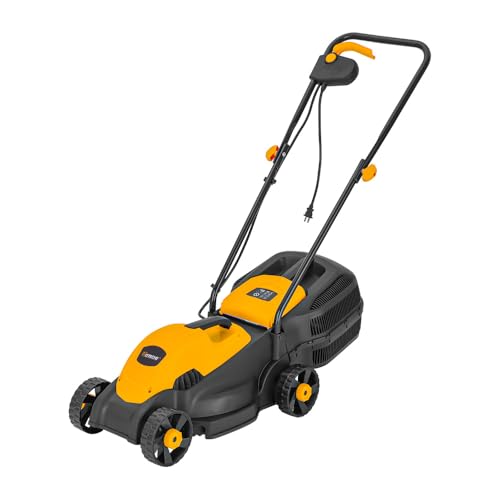
Used Commercial Walk Behind Mowers for Sale Near Me
If you run a lawn care business or maintain large properties, a commercial walk behind mower is one of the most versatile investments you can make. Buying a used unit can deliver professional-grade performance at a fraction of the new price — if you know exactly what to inspect and what to avoid.
SEE RECOMMENDED MOWER PICKSWhy this guide matters: Buyers searching for "used commercial walk behind mowers for sale near me" are usually past the browsing stage — they know they want a walk behind mower and need confidence before spending money. This guide walks through the inspection checklist, drive system comparisons, deck considerations, and buying channels that separate a smart purchase from an expensive mistake.
Why a Used Commercial Walk Behind Mower Makes Sense
Commercial walk behind mowers are built for daily use, which means a well-maintained used unit often has plenty of service life left. Unlike residential mowers, commercial models use heavier decks, stronger spindles, and beefier transmissions designed to handle hours of continuous operation. That construction quality is exactly why the used market for these machines is so active — and why buying one secondhand can be a smart move for both new lawn care operators and homeowners with large acreage.
Walk behind mowers also fill a niche that other equipment does not. They are more maneuverable than a riding mower on tight properties, lighter to transport than a zero turn, and they deliver a striped, manicured cut that many customers associate with professional lawn service. If you are comparing equipment categories, it helps to understand how a walk behind fits alongside options like used zero turn mowers and used self-propelled lawn mowers before committing to one format.
What to Inspect Before You Buy
The difference between a bargain and a money pit usually comes down to a handful of components. Bring a flashlight, a pair of gloves, and a plan — and run through this checklist on every machine you evaluate.
Deck and Spindles
- Look for rust perforation, cracks near the spindle mounts, and bent edges on the deck shell — a rusty deck is expensive to replace.
- Grab each blade and rock it side to side; excessive play means worn spindle bearings.
- Spin the blades by hand and listen for grinding or roughness.
- Check that the deck height adjustment moves freely through its full range.
Drive System
- On hydro models, test forward and reverse response at low and high speeds, and check for whining or jerking.
- Inspect hydraulic hoses, fittings, and the reservoir for leaks or weeping seals.
- On belt drive models, examine belts for glazing and cracks, and check pulley alignment.
- Test the unit on a slope if possible — drive performance under load tells you far more than a flat-lot test.
Engine and Controls
- Record the engine hours and ask whether they reflect original or replacement engine use.
- Check oil condition, air filter cleanliness, and for smoke on startup.
- Verify that the operator presence controls, blade engagement, and parking brake all function correctly.
- Ask for service records — documented maintenance is worth more than low hours without records.
Hydro Drive vs. Belt Drive: Which Used Walk Behind Should You Choose?
The drive system is the single biggest decision in the used walk behind market, because it affects both how the mower performs and how much it costs to keep running. Use quality tiers as your reference point rather than trying to compare specific listings — the tier tells you what to expect from each class of machine.
| Feature | Belt Drive | Hydro Drive |
|---|---|---|
| Typical market position | Entry-level to mid-range | Mid-tier to premium |
| Speed control | Fixed speeds via pulley selection | Infinitely variable, smoother engagement |
| Slope performance | Adequate on moderate grades | Stronger hold and control on hills |
| Repair complexity | Simple, budget-friendly to service | More complex, higher service cost if neglected |
| Best for | Small crews, flat properties, first commercial mower | Full-time crews, varied terrain, high-hour use |
A used belt drive unit is often the smart entry point for someone building a lawn business, while a well-documented used hydro model can be the better long-term tool for a crew mowing uneven ground all day. If you are also weighing other equipment formats, the same inspection logic applies to used commercial zero turn mowers and even to lighter equipment like used walk behind lawn mowers in the residential class.
Where to Find Used Commercial Walk Behind Mowers Near You
Local sourcing matters because you want to see the machine in person before money changes hands. The most productive channels tend to be:
- Landscaping companies upgrading their fleet — often the best-maintained units, sold directly by owners who know the service history.
- Equipment dealers and rental yards — higher asking tiers but usually inspected and sometimes offered with limited support.
- Online marketplaces and classifieds — the widest selection, but you must vet the seller and insist on an in-person inspection.
- Auctions and end-of-season sales — timing your search to late fall or early winter can surface motivated sellers.
If your search expands beyond mowers, the same local-market approach applies to used lawn mowers for sale near me and used lawn and garden tractors. And if you plan to expand into full property maintenance, browsing used zero turn lawn mowers in my area gives you a useful comparison point for crew productivity.
Brand and Model Considerations
Established commercial mower brands hold their value because parts availability and dealer support remain strong years after a model leaves production. When evaluating any listing, confirm that consumables — blades, belts, filters, spindle assemblies — are still easy to source. A mid-range machine from a well-supported brand is often a safer used purchase than a premium machine from a brand with thin parts support.
Pay attention to deck width as well. A narrower deck suits gated backyards and tight properties, while a wider deck boosts productivity on open ground. Match the deck to the jobs you actually plan to take, not to the biggest number on the spec sheet.
Negotiating and Finalizing the Purchase
Once the inspection is done, negotiate from facts: worn spindles, tired belts, and missing service records are legitimate reasons to adjust an offer. Ask the seller to run the mower through a full start, drive, and blade-engagement cycle while you watch. Confirm ownership paperwork and, where applicable, check that the serial number is intact. A short written bill of sale protects both sides and documents the transaction.
Finally, budget for a baseline service after purchase — fresh oil, filters, blade sharpening, and a belt check. That small upfront investment is what turns a used machine into a reliable commercial tool. If your operation later grows toward larger properties, you can revisit categories like used zero turn mowers for sale by owner to expand your fleet.
Frequently Asked Questions
What should I check before buying a used commercial walk behind mower?
Inspect the deck shell for rust and cracks, check the spindles for play, test the drive system under load, review the engine hours, examine the hydraulic hoses and seals on hydro models, and confirm the belts and pulleys are in good condition. Ask for service records and run the mower on a slope before committing.
Is a hydro drive or belt drive walk behind mower better for commercial use?
Hydro drive models offer smoother, variable-speed control and better performance on slopes and tight turns, which suits professional crews. Belt drive models are simpler, lighter, and cheaper to repair, making them a solid entry-level or budget-friendly choice for smaller operations.
How many hours is too many on a used commercial mower?
There is no fixed cutoff, but engine hours above roughly a few thousand on a well-maintained commercial unit can still be viable. What matters more is documented maintenance, compression test results, and the condition of the deck, spindles, and drive components.
Where can I find used commercial walk behind mowers for sale near me?
Local landscaping companies, equipment dealers, online marketplaces, auction sites, and community classifieds are common sources. Checking seasonal timing, such as end of season or after fleet upgrades, often yields the best selection.