Natural Weed Killer Recipe with Vinegar, Dawn, and Epsom Salt
Discover how to make a powerful, eco-friendly homemade weed killer using simple household ingredients. Save money and protect your garden from harmful chemicals.
Get the Recipe →If you're looking for an effective, affordable, and environmentally friendly way to control weeds in your garden, driveway, or walkway, a homemade weed killer using vinegar, Dawn dish soap, and Epsom salt is one of the best natural solutions available. This powerful combination works quickly to dehydrate and kill unwanted weeds without leaving toxic residues in your soil.
In this guide, we'll walk you through the exact weed killer recipe with vinegar, Dawn, and Epsom salt, explain how each ingredient works, and share expert tips for getting the best results. Whether you're dealing with stubborn dandelions, crabgrass, or weeds growing in pavement cracks, this natural remedy can help you maintain a weed-free yard.
Why Go Natural? Chemical weed killers often contain harmful ingredients that can contaminate groundwater, harm beneficial insects, and pose risks to pets and children. A homemade natural weed killer is safer, more affordable, and just as effective when used correctly.
The Ultimate Natural Weed Killer Recipe
Vinegar, Dawn, and Epsom Salt Weed Killer
This simple recipe combines three common household ingredients to create a potent weed-killing solution. Here's what you'll need:
- 1 gallon of white vinegar (5-10% acetic acid)
- 1 cup of Epsom salt
- 2 tablespoons of Dawn dish soap (blue original formula recommended)
Step-by-Step Instructions
- Mix the ingredients: In a large bucket or garden sprayer, combine the vinegar and Epsom salt. Stir or shake until the salt is completely dissolved.
- Add the Dawn dish soap: Pour in the Dawn dish soap and mix gently. The soap acts as a surfactant, helping the solution stick to weed leaves and penetrate the plant's protective coating.
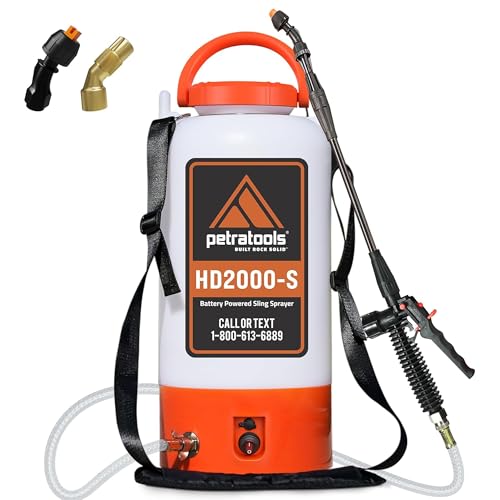
- Transfer to a sprayer: Pour the mixture into a pump sprayer or a spray bottle for smaller applications. A sprayer with an adjustable nozzle is ideal for targeting weeds without overspray.
- Apply on a sunny day: Spray the solution directly onto the leaves and stems of the weeds you want to eliminate. For best results, apply on a dry, sunny day with little to no wind. The sun's heat activates the vinegar's acidity, accelerating the weed-killing process.
- Wait and repeat: You should see results within 24-48 hours. For particularly stubborn weeds, reapply the solution after a few days.
Pro Tip: For best results, use vinegar with a higher acetic acid concentration (10-20%) available at garden centers or hardware stores. Household vinegar (5%) works but may require multiple applications for tough perennial weeds.
⚠️ Important Caution: This weed killer is non-selective, meaning it will kill any plant it touches. Be careful not to spray desired plants, flowers, or grass. Use a shield or apply carefully on calm days to prevent drift.
How This Natural Weed Killer Works
Understanding how each ingredient works will help you use this homemade weed killer recipe more effectively. The synergy between vinegar, salt, and soap is what makes this solution so powerful.
- Vinegar (Acetic Acid): The key ingredient that acts as a desiccant, drawing moisture out of plant cells and causing them to wilt and die. Higher acetic acid concentrations are more effective for killing stubborn weeds.
- Epsom Salt (Magnesium Sulfate): When dissolved in vinegar, Epsom salt increases the solution's effectiveness by pulling moisture from the plant's roots, accelerating dehydration. It also adds magnesium to the soil, which can benefit surrounding plants if used carefully.
- Dawn Dish Soap: Acts as a surfactant, breaking down the waxy cuticle on weed leaves. This allows the vinegar and salt to penetrate the plant more effectively, ensuring quicker results.
Best Practices for Using Natural Weed Killer
To get the most out of your vinegar and Dawn weed killer, follow these expert tips:
- Choose the right time: Apply on a sunny, dry day when temperatures are above 70°F for optimal absorption.
- Target young weeds: Young, actively growing weeds are more susceptible to natural herbicides. Treat them early in the growing season.
- Use a shield: When spraying near desirable plants, use a piece of cardboard or plastic as a shield to prevent accidental overspray.
- Don't overapply: One thorough application is usually enough. Reapply only if new growth appears. Overapplication can affect soil health.
- Spot treat: This method works best for isolated weeds or small areas. For large lawns, consider other dandelion control strategies.
Pros and Cons of Homemade Weed Killer
Before you start mixing your own natural weed killer, it's important to understand the advantages and limitations compared to commercial products.
| Pros | Cons |
|---|---|
| ✓ Affordable – costs pennies per application | ✗ Non-selective – kills all plants, not just weeds |
| ✓ Environmentally friendly – no toxic chemicals | ✗ May require multiple applications for deep-rooted weeds |
| ✓ Easy to make with common household ingredients | ✗ Less effective on perennial weeds with deep roots |
| ✓ Safe for use around pets and children (after drying) | ✗ Works best on young, actively growing weeds |
| ✓ No need for protective gear | ✗ May affect soil pH if overused |
Alternative Natural Weed Control Methods
While the vinegar, Dawn, and Epsom salt recipe is one of the most popular natural weed killers, there are other eco-friendly approaches you can try depending on your specific situation:
- Boiling water: Pouring boiling water directly on weeds is a simple, chemical-free method that's particularly effective for driveway and sidewalk cracks.
- Corn gluten meal: A natural pre-emergent that prevents weed seeds from germinating, perfect for lawn maintenance.
- Mulching: Using organic mulch like wood chips or straw helps suppress weed growth by blocking sunlight and maintaining soil moisture.
- Hand pulling: For small gardens, regular hand pulling remains the most precise and environmentally friendly method.
Did You Know? For stubborn weed problems like crabgrass, combining natural methods with proper lawn care techniques can produce even better results. Consider reading our guide on crabgrass control for more targeted advice.
Frequently Asked Questions
Can I use this weed killer on my lawn?
No. This solution is non-selective and will kill grass as well as weeds. It's best used for spot treatment on patios, driveways, walkways, and in garden beds where you can avoid contact with desirable plants.
How long does it take to work?
You'll typically see results within 24 to 48 hours. Tender, young weeds will wilt and brown quickly, while larger or more established weeds may take several days to fully die.
Is it safe for pets and children?
Yes, once dried. The ingredients are generally food-safe and non-toxic. However, keep pets and children away during application and until the solution has completely dried.
How often should I apply it?
For most weeds, one application is sufficient. For persistent weeds or new growth, you may need to apply 2-3 times with a few days between each application. Avoid overuse to maintain soil health.
Can I add more salt for stronger results?
Stick to the recommended proportions. Adding too much salt can lead to soil sterilization, preventing anything from growing in the treated area for a long period. For small areas where you want to prevent regrowth, this might be acceptable, but for garden beds, use the standard recipe.
Start Your Natural Weed Control Today
Making your own weed killer with vinegar, Dawn, and Epsom salt is a smart, sustainable choice for maintaining a beautiful, weed-free yard. With just a few minutes of preparation and application, you can eliminate unwanted weeds without relying on harsh chemicals.
Remember to always apply carefully, follow the instructions, and consider the best weed control strategies for your specific lawn and garden needs. For more gardening tips and natural solutions, explore our collection of expert gardening guides.
Let Gardening Inspires You! Start making your own natural weed killer today and enjoy a healthier, greener yard.