
When Is a Good Time to Cut Back Rose Bushes
Pruning roses at the right time ensures vibrant blooms, healthy growth, and disease resistance. Learn the seasonal timing and techniques to keep your roses thriving year after year.
READ THE GUIDELet Gardening Philosophy: Pruning roses is both art and science. Timing is everything — prune too early, and frost may damage new growth; prune too late, and you risk fewer blooms. This comprehensive guide covers exactly when to cut back rose bushes based on your climate, rose type, and seasonal cues.
Why Pruning Timing Matters for Roses
Pruning roses isn't just about shaping — it's about encouraging the plant to channel energy into producing strong canes and abundant flowers. Cutting at the right time stimulates new growth, improves air circulation, and reduces fungal diseases. If you prune at the wrong time, you may weaken the plant, reduce flowering, or even kill it in severe cases. Understanding the how to cut roses so they keep blooming is essential for any rose enthusiast.
Different rose varieties have different pruning needs. For instance, hybrid teas and floribundas bloom on new wood, so they are typically pruned in late winter or early spring. Meanwhile, old garden roses and climbers that bloom once a year should be pruned immediately after flowering. This distinction is critical for maximizing your garden's potential.
Seasonal Pruning Calendar for Roses
The ideal time to prune roses depends heavily on your local climate and the type of rose you are growing. Below is a general guide to help you decide when to get out your shears.
| Season | Pruning Timing | Best For |
|---|---|---|
| Late Winter / Early Spring | When buds start to swell, typically late February to early March (zones 6-8) | Hybrid teas, grandifloras, floribundas, and modern shrub roses |
| After Flowering (Summer) | Immediately after the first flush of blooms fades | Once-blooming old roses, climbers, and ramblers |
| Fall / Early Winter | Only light trimming to remove dead or damaged canes; avoid heavy pruning | All rose types (to prevent winter damage) |
If you're unsure about your rose type, a simple rule: if it blooms on new growth, prune in early spring; if it blooms on old wood, prune after flowering. For more specific advice on related plants, you might find our guide on how far to cut back hydrangeas in the fall useful, though the principles differ.
How to Prune Roses: A Step-by-Step Guide
Once you've determined the right time, follow these proven steps to prune your rose bushes effectively. Proper technique ensures clean cuts and reduces the risk of disease.
- Step 1: Gather the right tools. Use sharp, clean bypass pruners for canes up to ¾ inch thick. For larger canes, use loppers or a pruning saw. Always disinfect your tools with rubbing alcohol between plants to prevent spreading disease.
- Step 2: Remove dead, damaged, or diseased wood. Cut back to healthy tissue, making a 45-degree angle cut about ¼ inch above an outward-facing bud. This encourages outward growth and prevents water from sitting on the cut.
- Step 3: Remove crossing or rubbing canes. These can cause wounds and invite pests. Choose the stronger cane and remove the weaker one.
- Step 4: Open up the center. Remove some interior canes to improve air circulation, which helps prevent fungal diseases like black spot and powdery mildew.
- Step 5: Shape and size. For hybrid teas, reduce the height of remaining canes to about 12–18 inches above ground. Leave 3–5 healthy, evenly spaced canes. For floribundas, leave 5–7 canes and trim lightly.
- Step 6: Clean up and feed. Remove all clippings from the area (they can harbor pests). After pruning, apply a balanced fertilizer to encourage vigorous new growth.
Essential Pruning Tools for Healthy Roses
Having the right tools makes pruning easier and more effective. Dull or dirty tools can damage your roses and spread disease. Invest in quality equipment and maintain it well. For a broader selection of gardening essentials, check out our garden tools category.
Pro Tip: Tool Maintenance
Sharpen your pruners at least once a season and clean them with alcohol or bleach solution between uses. This simple habit can prevent the spread of bacterial and fungal diseases from one plant to another.
Common Pruning Mistakes & How to Avoid Them
Even experienced gardeners make mistakes. Here are the most common pitfalls and how to steer clear of them:
- Pruning at the wrong time: Always know your rose type and local climate. Pruning too late in spring can remove flower buds; pruning too early can expose new growth to frost.
- Making cuts at the wrong angle: Always cut at a 45-degree angle just above an outward-facing bud. This prevents water from settling on the cut and encourages growth away from the center.
- Leaving stubs: Cut back to a healthy bud or branch junction. Stubs can die back and provide entry points for pests and diseases.
- Over-pruning: Removing too much foliage can weaken the plant. Aim to remove no more than ⅓ of the plant's total growth in a single pruning session.
- Neglecting to clean up: Fallen leaves and pruned canes can harbor diseases. Always clean up thoroughly after pruning.
For those new to rose care, starting with a manageable approach is key. You may also want to explore how to take care of rose bushes in summer to maintain their health throughout the growing season.
Frequently Asked Questions
Ready to Prune Your Roses?
Get all the tools and supplies you need to give your roses the best care. Explore our recommended gardening gear and enjoy a season of stunning blooms.
SHOP PRUNING TOOLSPruning roses at the correct time is one of the most rewarding gardening tasks. With this guide, you can confidently approach your rose bushes and enjoy healthier plants and more abundant flowers. For more gardening insights, explore our gardening tips and guides.
Remember, every rose variety has its own personality — learning its growth habit will make you a better pruner. Whether you're a beginner or a seasoned gardener, timing your pruning correctly is the key to success. Happy pruning!
Best Pruning Tools & Rose Care Supplies
⚠️ AFFILIATE DISCLOSURE: This website contains affiliate links. As an Amazon Associate, we earn from qualifying purchases. If you make a purchase through these links, we may receive a small commission at no additional cost to you. Read our full affiliate policy.

Fiskars Bypass Pruning Shears, 5/8" Cut Capacity Gardening Scissors, Self-Cleaning Sap Groove Prevents Sticking, Non-Slip Grip for Cutting Stems & Branches, Sharp Steel Blades w/ Low-Friction Coating

DECERK® 8.5" Professional Pruning Shears - Cuts 4X Easier with Ultra Sharp Japanese Steel Titanium Blade, Arthritis Friendly Garden Scissors & Plant Clippers, Effortlessly Prunes 3/4" Branches

2-Pack Stainless Steel Gardening Scissors, Pruning Shears and Clippers for Gardening
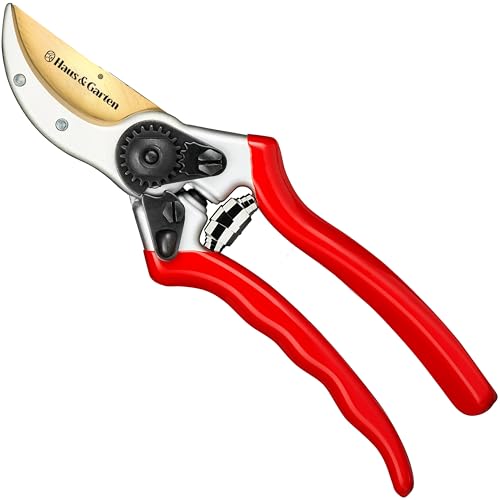
Haus & Garten ClassicPRO 8.5" Professional Premium Titanium Bypass Pruning Shears - Use As Pruners, Garden Shears, Heavy Duty Handheld Pruning Shears For Gardening, Clippers, Pruner Scissor Tool

VOTREK® Pruning Shears, 8.5” Professional Garden Pruner with Jam-Proof Spring & Ever-Sharp SK5 Blade, Ergonomic Bypass Clippers for Rose, Tree Trimming, Heavy Duty Bonsai Scissor for Weak Hand
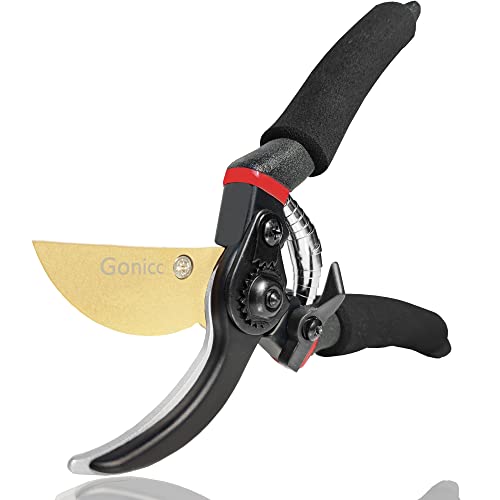
gonicc 8" Professional Premium Titanium Bypass Pruning Shears (GPPS-1003), Hand Pruners, Garden Clippers, Bonsai Cutters

Felco F2 Pruning Shears – 9.25" Swiss-Made Garden Clippers for Professional Pruning | Hand Pruners for Gardening | Garden Tool Cutter with Precision Bypass Blade, Aluminum Body, Replaceable Parts

MEPEREZ Premium Germany - Steel Pruning Shears, Work 3 Times Easier, Pruners Heady Duty, Sharp Garden Clippers Cuting Florist Flower, Hedge, Herb, Rose, Indoor Live Plants, Arthritis Weak Hand Snips
Disclaimer
Let Gardening provides educational content only. Not a substitute for professional horticulturist or landscape architect services. Always consult a qualified professional for major landscaping or agricultural work. Some content may use AI. We are not responsible for plant damage, injuries, or outcomes. By using this site, you accept these terms. If you do not agree, please leave this website and discontinue its use. Read full disclaimer.