Knowing when is the best time to prune tomato plants is one of the most important skills for any gardener aiming to maximize their harvest. Pruning at the right time encourages stronger plant structure, improves airflow, reduces disease risk, and directs the plant's energy into producing larger, more flavorful fruit. But the timing depends on several factors, including the type of tomato plant, your climate, and your growing goals. In this comprehensive guide, we'll explore everything you need to know about pruning tomatoes at the optimal time.
🌱 Key Takeaways: When to Prune Tomato Plants
- • Start pruning when plants are 12–18 inches tall and have developed 4–6 true leaves
- • Indeterminate varieties benefit from regular pruning throughout the season
- • Determinate varieties require minimal or no pruning
- • Stop pruning 4–6 weeks before the expected first frost
- • Morning pruning is ideal to allow wounds to heal quickly
Understanding Tomato Types: Determinate vs. Indeterminate
Before you start pruning, it's essential to understand the type of tomato plant you're growing. This single factor determines when is the best time to prune tomato plants and how much pruning they need. If you're unsure about your variety, check the seed packet or plant tag.
🟢 Indeterminate Tomatoes
These are vining tomatoes that continue to grow and produce fruit throughout the season until killed by frost.
- Pruning approach: Regular and aggressive pruning recommended
- Best time: Start when plants are 12–18 inches tall
- Examples: Beefsteak, Cherry, Brandywine, Roma
- Key benefit: Pruning directs energy to fruit production and improves airflow
🔴 Determinate Tomatoes
These are bush-type tomatoes that grow to a fixed size, produce all their fruit at once, and then decline.
- Pruning approach: Minimal pruning (remove only diseased or dead leaves)
- Best time: Only if necessary; avoid heavy pruning
- Examples: Rutgers, Celebrity, Bush Goliath
- Key caution: Over-pruning drastically reduces your harvest
For more detailed information about tomato varieties, you can explore our guide on what types of tomatoes are determinate and indeterminate to help you identify your plants.
When Exactly Is the Best Time to Prune Tomato Plants?
The answer to when is the best time to prune tomato plants depends on the growth stage of your plant and the season. Here's a detailed breakdown by timing:
🌱 Early Season (Seedling to 18 inches)
Timing: When the plant reaches 12–18 inches tall and has 4–6 true leaves.
- Pinch off all suckers (side shoots) that emerge below the first flower cluster
- Remove lower leaves that touch the soil to prevent disease
- Create a strong single-stem structure
🌿 Mid-Season (Active Growth)
Timing: Throughout the growing season, weekly or bi-weekly.
- Remove suckers above the first flower cluster regularly
- Prune lower leaves to improve airflow and reduce disease risk
- Maintain 1-3 main stems for optimal production
🍅 Late Season (4-6 Weeks Before First Frost)
Timing: Stop pruning 4–6 weeks before the expected first frost.
- Stop removing suckers
- Pinch off the growing tips of the main stems
- Remove any remaining flowers so energy goes to existing fruit
If you're looking for more detailed pruning techniques, our comprehensive guide on how to prune tomato plants covers step-by-step instructions and visual guides.
Best Time of Day to Prune Tomato Plants
Beyond the seasonal timing, the best time to prune tomato plants also depends on the time of day. Pruning in the morning (after dew has dried but before the heat of the day) is ideal. Here's why:
✅ Morning Pruning Benefits
- ✓ Plants are fully hydrated and can heal wounds quickly
- ✓ Wounds dry before evening, reducing fungal infection risk
- ✓ Cooler temperatures reduce plant stress
- ✓ You'll have better visibility of suckers and leaves
❌ Avoid Pruning When
- ✗ Leaves are wet (risk of disease spread)
- ✗ Extreme heat above 90°F (plants are stressed)
- ✗ Just before rain (wounds won't heal properly)
Signs Your Tomato Plants Need Pruning
Even if you know when is the best time to prune tomato plants in general, your plants might show specific signs that indicate it's time to pick up your pruners:
🌿 Visual Signs
- • Suckers (side shoots) are growing rapidly
- • Lower leaves are yellowing or touching the soil
- • Plants are overgrown and crowding each other
- • Foliage is dense and airflow is poor
🍅 Production Signs
- • Fruit is smaller than expected
- • Fewer flowers and fruits despite healthy leaves
- • Plants are leggy and growing tall without fruit
- • Tomatoes are ripening slowly or unevenly
Essential Tools for Pruning Tomatoes
Having the right tools makes pruning easier and reduces the risk of disease transmission. Before you decide when is the best time to prune tomato plants, make sure you have these essential items:
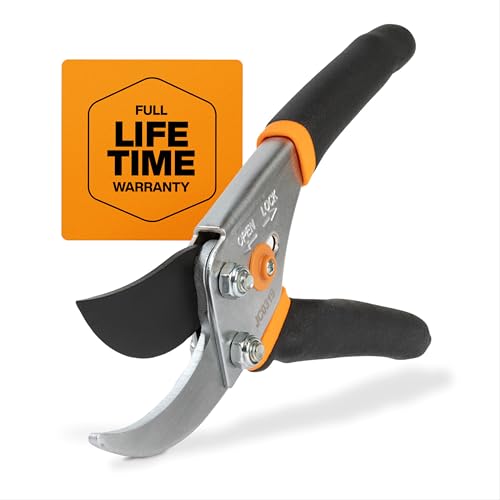
Pruning Shears
Clean, sharp bypass pruners
Rubbing Alcohol
To sterilize tools between cuts
Gardening Gloves
Protect hands from sap and dirt
Pruning Waste Container
Collect removed leaves and suckers
For more information about essential gardening tools, check out our guide on garden tools to find the best equipment for your gardening needs.
Common Pruning Mistakes to Avoid
Even when you know when is the best time to prune tomato plants, mistakes can happen. Here are the most common errors and how to avoid them:
Determinate varieties need minimal pruning. Remove only dead or diseased leaves to avoid reducing yield.
Stop pruning 4–6 weeks before first frost. Late pruning removes the plant's energy reserves.
Wet conditions spread fungal diseases. Always prune when leaves are dry and the weather is clear.
Always sterilize pruning tools between plants and after each use to prevent spreading diseases.
How Pruning at the Right Time Maximizes Yield
Understanding when is the best time to prune tomato plants is directly linked to maximizing your harvest. Here's how proper timing affects your tomato yield:
🌿 Better Airflow
Pruning creates space between leaves, allowing air to circulate freely. This reduces humidity around the plant and prevents fungal diseases like blight and powdery mildew.
☀️ More Sun Exposure
Removing excess foliage allows sunlight to reach all parts of the plant, especially the lower fruit clusters. This ensures even ripening and sweeter, more flavorful tomatoes.
🍅 Energy Focus
Without pruning, the plant wastes energy growing unnecessary leaves and suckers. Pruning directs that energy into producing larger, more abundant fruit.
📈 Higher Quality Fruit
Well-pruned plants produce fewer fruits, but those fruits are larger, more flavorful, and more uniform in size. Quality over quantity.
For additional techniques on maximizing tomato production, explore our detailed guide on how to prune cherry tomato plants for maximum yield and learn specific strategies for smaller varieties.
Weather and Regional Timing Considerations
The best time to prune tomato plants can vary depending on your climate and growing zone. Here's how to adjust your pruning schedule based on local conditions:
☀️ Hot Climates
Prune more heavily to improve airflow and reduce heat stress. Avoid pruning during the hottest part of the day.
🌧️ Humid Climates
Aggressive pruning is essential to improve airflow and prevent fungal diseases. Sterilize tools frequently.
❄️ Short Growing Seasons
Prune early and stop earlier. Focus on getting a good harvest before the first frost arrives.
Frequently Asked Questions About Pruning Tomatoes
❓ Can I prune tomatoes in the summer?
Yes, regular pruning throughout the summer is beneficial for indeterminate tomatoes. Remove suckers weekly to maintain plant structure.
❓ Should I prune all tomato plants?
No. Determinate tomatoes should not be heavily pruned, while indeterminate varieties benefit greatly from regular pruning.
❓ What happens if I prune too late?
Pruning too late reduces the plant's ability to ripen existing fruit. Stop pruning 4–6 weeks before the expected first frost.
Conclusion: Master the Timing for Bumper Tomato Harvests
Knowing when is the best time to prune tomato plants is a game-changer for any gardener. By understanding your tomato variety, pruning at the right growth stages, and adjusting based on your local climate, you can significantly increase both the quantity and quality of your tomato harvest. Remember to start early, prune regularly, and stop before the first frost. With the right timing and technique, you'll be rewarded with healthier plants, bigger tomatoes, and a more bountiful garden.
Whether you're growing your first tomato plant or you're a seasoned gardener, mastering pruning timing is one of the most valuable skills you can develop. Start practicing these techniques today and watch your tomato plants thrive.
📌 Quick Recap: When to Prune Tomato Plants
- • Start: When plants are 12–18 inches tall with 4–6 true leaves
- • Regular: Weekly or bi-weekly throughout the growing season
- • Stop: 4–6 weeks before the first expected frost
- • Best time of day: Morning, after dew has dried
For related topics, explore our guide on how to prune a tomato plant for maximum yield for detailed techniques, or learn about are beefsteak tomatoes determinate or indeterminate to better understand your specific variety.