
Basic Composting Guide: Turn Waste into Garden Gold
Composting is nature's way of recycling. Learn the fundamentals and start creating nutrient-rich soil for your plants today.
START COMPOSTING TODAYLet Gardening Philosophy: Composting is the cornerstone of sustainable gardening. By recycling kitchen scraps and yard waste, you not only reduce landfill waste but also create a powerful soil amendment that boosts plant health, improves soil structure, and retains moisture. This guide covers everything a beginner needs to know to start composting at home.
Why Compost? Top Benefits for Your Garden
🌱 Enhances Soil Health
Compost adds essential nutrients and improves soil structure, making it easier for roots to grow and absorb water.
💧 Retains Moisture
Compost acts like a sponge, helping soil retain water and reducing the need for frequent watering.
♻️ Reduces Waste
Divert organic waste from landfills, where it would produce methane, a potent greenhouse gas.
🦋 Supports Beneficial Organisms
Compost is teeming with beneficial microbes and earthworms that keep your garden ecosystem healthy.
What to Compost: Greens & Browns
A successful compost pile needs a balance of "green" (nitrogen-rich) and "brown" (carbon-rich) materials. Aim for a ratio of about 2 parts brown to 1 part green by volume.
✅ Greens (Nitrogen)
- Fruit and vegetable scraps
- Grass clippings
- Fresh leaves
- Coffee grounds and filters
- Tea bags
- Plant trimmings
✅ Browns (Carbon)
- Dry leaves
- Straw or hay
- Sawdust (untreated wood)
- Cardboard (shredded)
- Newspaper (shredded)
- Paper towels and napkins
Note: Avoid meat, dairy, oils, diseased plants, and pet waste, as they can attract pests or introduce pathogens.
Step-by-Step Guide to Composting
Starting a compost pile is simple. Follow these steps to create your own black gold.
-
Choose a Location
Pick a spot in your yard that's well-drained and gets some sun. Place your compost bin directly on the soil to allow earthworms and microbes to enter. -
Build a Base
Start with a layer of coarse browns like twigs or straw to allow air circulation at the bottom. -
Layer Greens and Browns
Alternate layers of green and brown materials, keeping the pile moist but not soggy. A good rule: add 2–3 inches of browns for every 1 inch of greens. -
Turn the Pile
Aerate your compost every 1–2 weeks with a pitchfork or compost aerator. This introduces oxygen, which speeds up decomposition. -
Monitor Moisture
The pile should feel like a damp sponge. If it's too dry, add water; if too wet, add more browns. -
Harvest Your Compost
In 2–6 months, your compost will be dark, crumbly, and smell like earth. Use it to enrich garden beds, potted plants, or as a top dressing for lawns.
Composting is just one part of a healthy garden. If you're growing vegetables, consider companion planting to maximize yields. For container gardeners, using compost in your raised beds can significantly improve results. And don't forget to mulch around your plants to retain moisture and suppress weeds.
Top Composting Tools & Supplies
⚠️ AFFILIATE DISCLOSURE: This website contains affiliate links. As an Amazon Associate, we earn from qualifying purchases. If you make a purchase through these links, we may receive a small commission at no additional cost to you. Read our full affiliate policy.

Composting Basics: All the Skills and Tools You Need to Get Started (How To Basics)

Let It Rot!: The Gardener's Guide to Composting (Third Edition) (Storey's Down-To-Earth Guides)
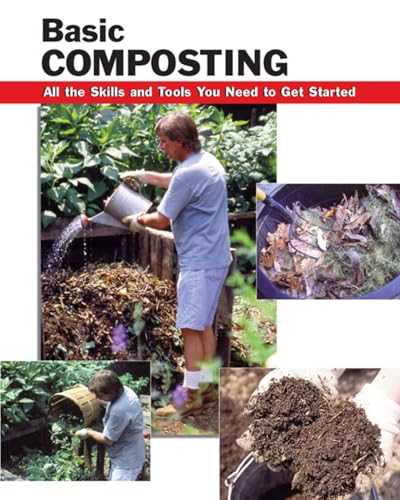
Basic Composting (How To Basics)

Composting for a New Generation: Latest Techniques for the Bin and Beyond

Composting Simplified for Beginners: A Complete Guide to Fix Common Compost Pitfalls, Create Fertile Soil, & Enjoy a Lush, Productive Garden

Introduction to Basic Composting : Farmer Johnson's Practical Guide to Farming & Gardening

Bokashi Composting: Scraps to Soil in Weeks

Composting Basics: The Complete Gardening Guide That Teach How to Compost Whether You Have a Garden or Live in a City
Disclaimer
Let Gardening provides educational content only. Not a substitute for professional horticulturist or landscape architect services. Always consult a qualified professional for major landscaping or agricultural work. Some content may use AI. We are not responsible for plant damage, injuries, or outcomes. By using this site, you accept these terms. If you do not agree, please leave this website and discontinue its use. Read full disclaimer.