
Compost Bin Guide: Turn Waste into Garden Gold
Choose the right compost bin for your garden. Learn about compost tumblers, stationary bins, worm composters & get expert tips for nutrient-rich compost.
Start Composting TodayLet Gardening Composting Philosophy: Composting is nature’s way of recycling. A good compost bin turns kitchen scraps and yard waste into dark, crumbly soil amendment that supercharges your garden. Whether you’re a beginner or a seasoned gardener, this guide covers everything you need to know about choosing and using a compost bin.
Why Use a Compost Bin?
Composting reduces landfill waste, lowers your carbon footprint, and produces free, organic fertilizer for your plants. A compost bin keeps the process tidy, accelerates decomposition, and deters pests. Plus, the finished compost improves soil structure, retains moisture, and feeds beneficial microbes.
If you’re new to composting, start with a basic composting guide to understand the science. For those with limited space, a compact composter or worm bin works great. And if you’re growing vegetables, raised bed gardening benefits immensely from homemade compost.
Types of Compost Bins
Choosing the right bin depends on your space, budget, and how much waste you produce. Here are the most common types:
Compost Tumblers
Rotating bins that make turning easy. Great for faster composting and keeping pests out. Ideal for medium yards.
Stationary Bins
Open-bottom or enclosed bins that sit on the ground. Simple, affordable, and perfect for larger gardens.
Worm Composters
Vermicomposting uses red wiggler worms to break down food scraps. Great for apartments and small spaces.
Kitchen Compost Bins
Small countertop containers to collect scraps before transferring to your main bin. Often charcoal-filtered to reduce odors.
Key Features to Look For
- Capacity: Choose a bin size that matches your household’s organic waste. Typical home bins range from 5 to 80 gallons.
- Material: UV-resistant plastic, metal, or wood. Plastic is lightweight and durable, while metal offers longevity.
- Airflow: Good aeration prevents odor and speeds up decomposition. Look for bins with vent holes or tumbling mechanisms.
- Ease of Use: Consider access doors, removable trays, and turning mechanisms. Container gardening enthusiasts often prefer tumblers for convenience.
How to Use Your Compost Bin
Start by layering “green” (nitrogen-rich) and “brown” (carbon-rich) materials. Greens include fruit peels, vegetable scraps, coffee grounds, and grass clippings. Browns include dry leaves, straw, cardboard, and sawdust. Aim for a ratio of about 2:1 browns to greens.
Keep the pile as damp as a wrung-out sponge. Turn the pile every few weeks with a compost aerator or by tumbling your bin. In 2–4 months, you’ll have dark, earthy compost to use as a top dressing or to mix into garden beds. For more detailed steps, check our basic composting guide.
How Compost Improves Your Garden
Compost adds essential nutrients, improves soil structure, and helps retain moisture. It encourages beneficial earthworms and microorganisms. Vegetables, flowers, and shrubs all thrive with regular compost applications. If you’re growing tulips or dahlias, compost gives them the nutrient boost they need for vibrant blooms.
For lawn care, compost can be used as a top dressing to enrich soil and support healthy grass growth. Combine with effective weed control for a lush, green yard.
Troubleshooting Compost Problems
- Odor: Usually from too much green material or poor aeration. Add more browns and turn the pile.
- Pests: Bury food scraps in the center of the pile and use a pest-proof bin.
- Slow decomposition: Chop materials into smaller pieces and maintain proper moisture and aeration.
- Excess moisture: Add dry browns like leaves or cardboard to soak up water.
Remember that composting is a natural process; a little patience yields great results. For more organic solutions, explore organic weed control methods that complement your healthy soil.
Our Top Picks for Compost Bins
Based on performance, capacity, and user reviews, we’ve selected the best compost bins for various needs. Whether you’re after a durable tumbler, a large stationary bin, or a compact worm farm, the products below will help you start composting like a pro.
Best Compost Bins for Every Garden
⚠️ AFFILIATE DISCLOSURE: This website contains affiliate links. As an Amazon Associate, we earn from qualifying purchases. If you make a purchase through these links, we may receive a small commission at no additional cost to you. Read our full affiliate policy.
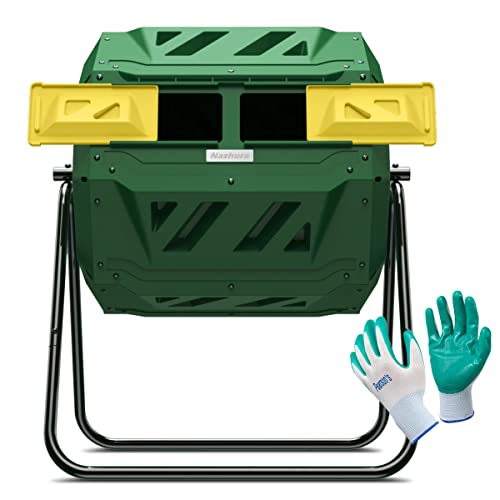
Compost Tumbler Bin Composter Dual Chamber 43 Gallon (Bundled with Pearson's Gardening Gloves)

VIVOSUN Outdoor Tumbling Composter Dual Rotating Batch Compost Bin, 43 Gallon Black Door

Utopia Kitchen Countertop Compost Bin 1.3 Gallon, Stainless Steel, Silver

Maygrove Outdoor Compost Bin 53 Gallon, Dual Chamber Large Compost Tumbler for Garden Backyard, with 360° Rotating, Sliding Doors & Solid Steel Frame, Updated Instructions
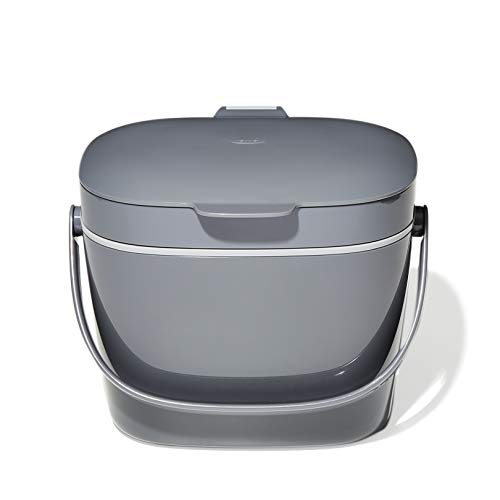
OXO Good Grips Easy-Clean Compost Bin, Charcoal, 1.75 Gal/6.62 L

Epica Kitchen Compost Bin for Kitchen Countertops, 1.3 Galllon - Silver
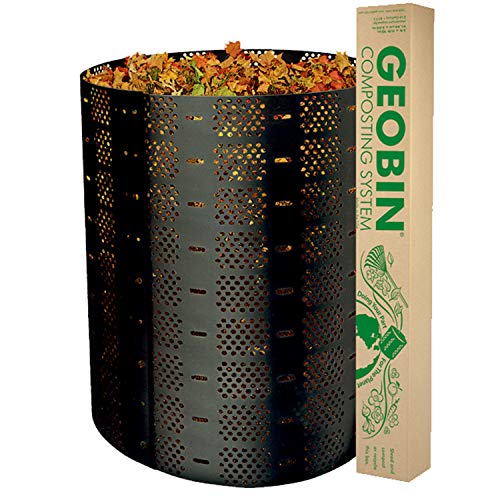
Geobin Compost Bin - 246 Gallon, Expandable, Easy Assembly, Made in the USA, Outdoor & Backyard Composter
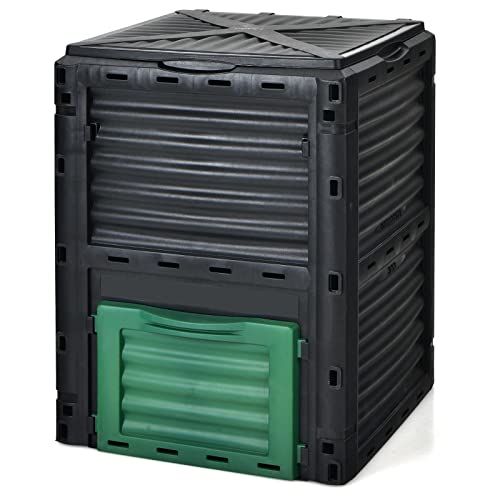
Goplus Compost Bin, 80 Gallon (300 L) Large Outdoor Composting Box w/Top Flip Latch-on Lid, Bottom Exit Door, BPA Free Material, Grass Food Trash Composter Barrel for Garden Yard, Easy Assembly
Start Composting Today
Investing in a quality compost bin is one of the best decisions for your garden and the environment. With the right bin and a little know-how, you’ll turn waste into black gold that nourishes your plants and reduces your ecological footprint.
Ready to choose your bin? Browse our top picks above, and don’t forget to check our beginner’s gardening guide for more tips on building a thriving garden from the ground up.