Best Vegetables to Grow in a Raised Garden Bed
Maximize your harvest with the perfect crop selection for your raised beds. From juicy tomatoes to crisp lettuce, learn which vegetables thrive in this ideal growing environment.
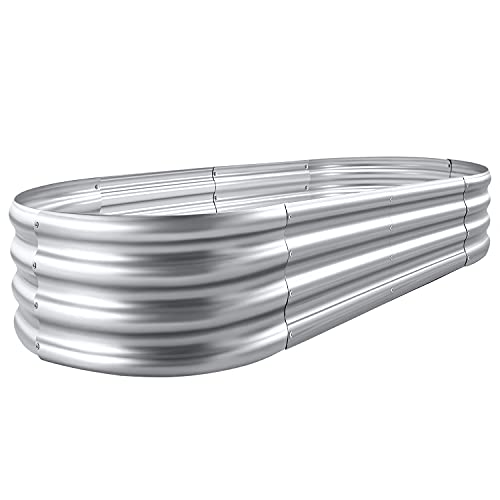
Discover the Best CropsWhy Raised Beds? Raised garden beds offer superior drainage, warmer soil temperatures, and better control over weeds and pests. They're perfect for growing vegetables, especially if your native soil is poor or compacted. Let gardening guide you in choosing the right vegetables for a bountiful and rewarding harvest.
Top Vegetables for Raised Beds
Choosing the right vegetables for your raised bed is crucial for a successful harvest. Here's a curated list of the best performers, categorized for easy planning.
🥕 Root Vegetables
Carrots
Deep, loose soil in raised beds allows carrots to grow straight and long. Choose shorter varieties if your bed isn't very deep.
- Planting: Direct sow seeds 1/4 inch deep.
- Harvest: 60-80 days.
- Tip: Keep soil consistently moist for sweet, tender roots.
Radishes
One of the fastest-growing vegetables, perfect for succession planting in small spaces. Their quick growth is a great confidence booster for new gardeners.
- Planting: Direct sow seeds, 1/2 inch deep.
- Harvest: 20-30 days.
- Tip: Thin seedlings to avoid overcrowding.
🥬 Leafy Greens
Lettuce & Greens
Lettuce, spinach, and kale thrive in the cool, well-drained environment of a raised bed. They are excellent for cut-and-come-again harvesting.
- Planting: Direct sow seeds or transplant starts.
- Harvest: 30-60 days (baby greens).
- Tip: Provide afternoon shade in hot weather to prevent bolting.
Swiss Chard
A colorful and nutritious green that is surprisingly easy to grow. Its large leaves are perfect for salads, sautés, and smoothies.
- Planting: Direct sow seeds 1/2 inch deep.
- Harvest: 50-60 days.
- Tip: Harvest outer leaves first to encourage continuous growth.
🍅 Fruiting Vegetables
Tomatoes
Tomatoes are arguably the most popular garden vegetable. The warm soil and excellent drainage of a raised bed are ideal for robust growth and flavorful fruit.
- Planting: Plant deep, burying 2/3 of the stem.
- Harvest: 60-80 days.
- Tip: Use sturdy cages or stakes for support.
Peppers
Both sweet and hot peppers love the heat. Raised beds warm up faster in spring, giving peppers a head start and a longer growing season.
- Planting: Transplant starts after the last frost.
- Harvest: 60-90 days.
- Tip: Use a high-phosphorus fertilizer to promote flowering.
🌿 Climbing Vegetables
Bush & Pole Beans
Beans are nitrogen-fixers, enriching your soil for future crops. Pole beans, especially, make great use of vertical space in raised beds.
- Planting: Direct sow seeds 1 inch deep.
- Harvest: 50-60 days.
- Tip: Provide a trellis or teepee for climbing varieties.
Cucumbers
Grow cucumbers vertically on a sturdy trellis to save space and prevent diseases. This also keeps the fruits clean and straight.
- Planting: Direct sow seeds or transplant starts.
- Harvest: 50-70 days.
- Tip: Harvest often to encourage more production.
🌱 Pro Tips for a Thriving Raised Bed
- 1. Soil Quality is Key: Fill your raised bed with a high-quality mix of topsoil, compost, and aged manure. Good soil is the foundation of a great garden. Find the best soil to put in a raised garden bed for optimal results.
- 2. Water Wisely: Raised beds drain well, so they may need more frequent watering. Use a soaker hose or drip irrigation to deliver water directly to the roots and keep foliage dry.
- 3. Plan for Succession Planting: As soon as one crop is harvested (like radishes or lettuce), plant another to maximize the use of your space.
- 4. Protect Your Plants: Use a physical barrier like a row cover or netting to protect your vegetables from birds and insects. This is especially important for leafy greens and berries. Consider the best netting to protect vegetables for your garden.
- 5. Choose What You Love: Grow vegetables that you and your family enjoy eating. This makes the effort even more rewarding. Explore a wider range of options to see the best things to grow in a raised garden bed.
Ready to Start Your Raised Bed Garden?
Growing vegetables in a raised garden bed is a highly rewarding experience. With the right soil, a bit of planning, and this list of the best vegetables to grow, you'll be well on your way to enjoying fresh, homegrown produce right from your backyard. Whether you're a seasoned gardener or just starting out, the controlled environment of a raised bed makes it easier than ever to cultivate a thriving vegetable garden. Let gardening bring you a harvest of delicious food and lasting satisfaction.
If you're new to raised bed gardening, check out our comprehensive guides on best vegetables to grow in a raised garden bed and general gardening for beginners to build your confidence and skills.