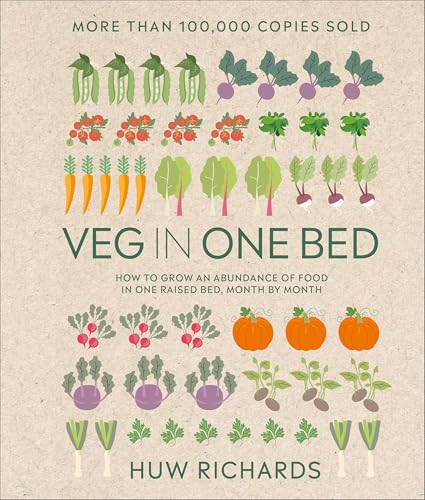
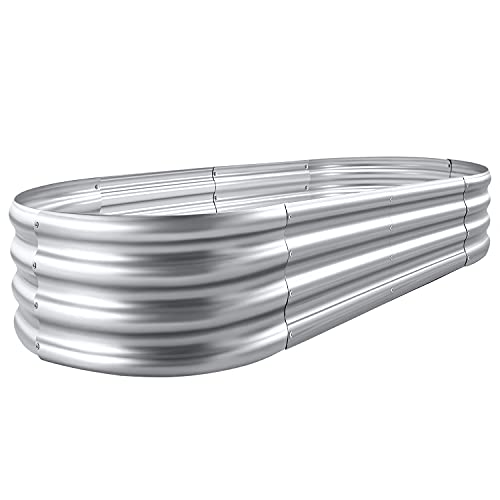
🌱 Easiest Vegetables to Grow in a Raised Garden Bed
Start your raised bed garden with confidence. These 10 foolproof vegetables are perfect for beginners and guaranteed to give you a bountiful harvest with minimal fuss.
Why raised garden beds? They offer better drainage, fewer weeds, and easier access to your plants. Whether you have a large backyard or a small patio, raised beds make vegetable gardening simpler and more productive. If you're just starting out, choosing the right vegetables is key to building confidence and enjoying fresh, homegrown produce.
🛠️ What You'll Need to Get Started
- Raised garden bed (at least 6-12 inches deep)
- High-quality potting mix or garden soil
- Compost or organic fertilizer
- Seeds or starter plants
- Watering can or hose with gentle spray
- Garden trowel and gloves
For the best soil mix, check out our guide on best soil to put in a raised garden bed to ensure your vegetables thrive.
Top 10 Easy-Grow Vegetables
These vegetables are forgiving, fast-growing, and incredibly rewarding for gardeners of all skill levels.
Lettuce
Lettuce is one of the easiest vegetables to grow in a raised garden bed. It germinates quickly and you can start harvesting baby leaves in just a few weeks. Plant in early spring or fall for the best flavor.
- Varieties: Leaf lettuce, romaine, butterhead
- Spacing: 6-8 inches apart
- Harvest: Cut outer leaves as needed
Radishes
Radishes are the ultimate beginner vegetable. They sprout in just a few days and are ready to harvest in less than a month. Their peppery flavor adds a zing to salads and sandwiches.
- Varieties: Cherry Belle, French Breakfast, Daikon
- Spacing: 1-2 inches apart
- Harvest: Pull when roots are about 1 inch in diameter
Green Beans
Bush beans are compact and perfect for raised beds. They produce heavily with very little effort. Plus, they fix nitrogen in the soil, benefiting other plants in your bed.
- Varieties: Blue Lake, Provider, Tendercrop
- Spacing: 4-6 inches apart
- Harvest: Pick when pods are firm and crisp
Zucchini
Zucchini is notoriously productive. One or two plants can provide enough squash for a family. They grow quickly and are versatile in the kitchen.
- Varieties: Black Beauty, Golden, Costata
- Spacing: 2-3 feet apart
- Harvest: Pick when 6-8 inches long for best flavor
Carrots
Carrots are a classic choice for raised beds because they grow straight and long in loose, stone-free soil. They are sweeter when harvested after a light frost.
- Varieties: Nantes, Danvers, Scarlet Nantes
- Spacing: 2-3 inches apart
- Harvest: Pull when shoulders show above soil
Spinach
Spinach is a nutrient powerhouse that grows quickly in cool weather. It's perfect for spring and fall raised bed gardens.
- Varieties: Bloomsdale, Baby Leaf, Tyee
- Spacing: 3-4 inches apart
- Harvest: Cut outer leaves or harvest whole plant
Swiss Chard
Swiss chard is as beautiful as it is tasty, with colorful stems that brighten any garden. It's incredibly easy to grow and produces leaves all season long.
- Varieties: Bright Lights, Fordhook Giant, Rhubarb
- Spacing: 6-8 inches apart
- Harvest: Cut outer leaves, inner leaves continue growing
Tomatoes
While tomatoes take a bit longer, they are incredibly rewarding. Choose determinate (bush) varieties for compact growth in raised beds. Nothing beats a homegrown tomato!
- Varieties: Roma, Celebrity, Early Girl
- Spacing: 24-36 inches apart
- Harvest: Pick when fully colored and slightly soft
Peppers (Bell & Hot)
Peppers thrive in the warm soil of raised beds. They produce colorful fruits that are perfect for cooking, grilling, or eating fresh.
- Varieties: Bell, Jalapeño, Banana, Cayenne
- Spacing: 12-18 inches apart
- Harvest: Cut from plant when ripe
Basil & Cilantro
Herbs like basil and cilantro are some of the easiest plants to grow. They add incredible flavor to your cooking and are always ready to snip.
- Varieties: Sweet Basil, Thai Basil, Cilantro
- Spacing: 6-12 inches apart
- Harvest: Pinch leaves regularly to encourage bushy growth
Quick Comparison: Easiest Vegetables
See how these vegetables compare at a glance to help you decide what to plant first.
| Vegetable | Days to Harvest | Sunlight | Difficulty Level |
|---|---|---|---|
| Lettuce | 30-60 | Partial shade | ⭐ Very Easy |
| Radishes | 22-30 | Full sun | ⭐ Very Easy |
| Green Beans | 50-65 | Full sun | ⭐ Very Easy |
| Zucchini | 50-70 | Full sun | ⭐ Easy |
| Carrots | 65-80 | Full sun | ⭐ Easy |
| Spinach | 40-50 | Partial shade | ⭐ Very Easy |
| Swiss Chard | 55-65 | Full sun to partial | ⭐ Very Easy |
| Tomatoes | 70-90 | Full sun | ⭐⭐ Moderate |
| Peppers | 60-90 | Full sun | ⭐⭐ Moderate |
| Basil / Cilantro | 30-70 | Full sun | ⭐ Very Easy |
🌻 Raised Bed Soil & Setup Tips for Success
The right soil is the foundation of a productive raised bed garden. Here's what you need to know:
- Soil Mix: Use a blend of 60% topsoil, 30% compost, and 10% peat moss or coconut coir for optimal drainage and nutrients.
- Depth: A minimum of 12 inches deep is ideal for most vegetables; 18 inches is even better for root crops like carrots.
- Fertilizing: Add a slow-release organic fertilizer at planting time and side-dress with compost mid-season.
- Watering: Raised beds dry out faster, so water deeply and consistently, especially during hot weather.
For more detailed advice, explore our guide on best soil to put in a raised garden bed and learn about best things to grow in a raised garden bed.
🌿 Companion Planting in Raised Beds
Maximize your raised bed space and health by planting compatible vegetables together. Here are some classic combinations:
- ✅ Tomatoes + Basil – Improves flavor and repels pests
- ✅ Carrots + Onions – Carrots deter onion flies, onions deter carrot flies
- ✅ Beans + Corn – Beans fix nitrogen, corn provides support
- ✅ Lettuce + Radishes – Radishes break soil, lettuce fills space
Discover more companion planting strategies in our companion planting vegetables guide.
🧺 Harvesting for Maximum Yield
To get the most from your raised bed garden, harvest regularly. Picking vegetables encourages plants to produce more. Use sharp scissors or pruners to avoid damaging plants. Store your harvest properly to enjoy fresh produce for days.
❓ Frequently Asked Questions
What is the absolute easiest vegetable to grow in a raised bed?
Radishes and lettuce are the easiest. They germinate quickly, require minimal care, and are ready to harvest in under 30 days. Perfect for instant gardening gratification!
How deep should a raised bed be for vegetables?
Most vegetables need at least 12 inches of soil depth. For root vegetables like carrots and potatoes, 18 inches is better. Deep beds also improve drainage and root growth.
Can I grow tomatoes in a raised bed?
Absolutely! Tomato plants thrive in raised beds. Choose determinate (bush) varieties for smaller spaces, and provide support with stakes or cages. For more tips, check how to trim tomato plants to produce more fruit.
How often should I water vegetables in a raised bed?
Water deeply 2-3 times per week, depending on weather. Raised beds dry out faster, so check soil moisture regularly. Early morning watering is best to reduce evaporation.
What vegetables should I plant together?
Companion planting is key! Pair tomatoes with basil, carrots with onions, and lettuce with radishes. These combinations improve growth and deter pests naturally.
Ready to Start Your Raised Bed Garden?
Pick your favorite vegetables from this list, prepare your raised bed, and get planting. Fresh, homegrown produce is just weeks away!
Explore More Vegetable Gardening Tips →