Best Soil to Put in a Raised Garden Bed
Discover the perfect soil blend for raised beds — proven mix, key ingredients, and expert tips for vegetables, flowers, and herbs.
If you’re ready to build a raised garden bed, the single most important decision you’ll make is what soil to put in it. Ordinary garden soil or cheap topsoil won’t cut it — raised beds need a carefully balanced growing medium that stays loose, drains well, and feeds plants for months. In this guide, we’ll walk you through exactly what to look for and how to mix your own premium raised bed soil.
Why soil matters: Plants in raised beds grow faster and produce more when the soil is light, nutrient-rich, and holds moisture without getting waterlogged. The right mix also makes weeding, watering, and root development much easier.
The Classic Raised Bed Soil Mix (The 3‑Part Formula)
The gold standard for raised beds is a simple 3‑part blend that balances texture, nutrition, and water retention. Here’s the breakdown:
🌱 Basic Raised Bed Mix (by volume)
- 40% compost — rich organic matter, feeds plants and improves structure.
- 40% topsoil — mineral base, provides stability and minerals.
- 20% coarse sand or perlite — ensures excellent drainage and aeration.
Optional: add 5–10% well‑aged manure or worm castings for an extra nutrient boost.
This mix works beautifully for most vegetables, flowers, and herbs. It’s loose enough for carrots and radishes to grow straight, yet holds enough moisture for tomatoes and peppers to thrive.
Why Topsoil Alone Isn’t Enough
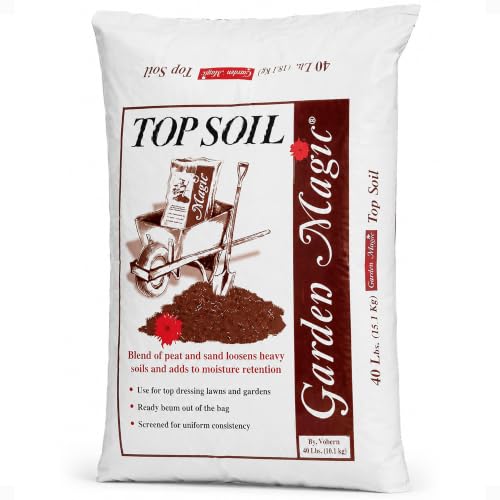
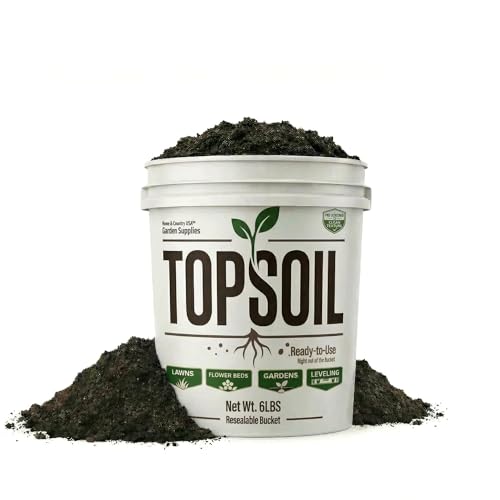
Many gardeners make the mistake of filling raised beds with bagged topsoil or dirt from their yard. The problem? Topsoil compacts quickly in raised beds, especially when watered, and often lacks organic matter. Dense soil suffocates roots and slows growth. That’s why the 3‑part mix is non‑negotiable — it stays fluffy and productive for years.
If you’re buying pre‑made raised bed soil, look for a blend that lists “compost,” “peat moss,” or “aged bark” along with “topsoil” or “loam.” Making your own compost is also a great way to ensure quality.
Key Ingredients for the Best Raised Bed Soil
1. Compost — The Heart of the Mix
Compost is non‑negotiable. It feeds soil microbes, releases nutrients slowly, and improves water retention. Use mature, dark, crumbly compost with an earthy smell. You can buy it in bulk, bagged, or make your own from kitchen scraps and yard waste.
2. Topsoil — The Mineral Backbone
Choose a sandy loam or garden loam that’s free of weeds, stones, and clay clumps. Avoid “fill dirt” or subsoil — they lack nutrients and structure. If you can, have a local landscape supplier deliver screened topsoil.
3. Drainage Boosters
Coarse sand (horticultural grade), perlite, or pumice keep the mix from becoming soup after heavy rain. For raised beds, perlite is a lightweight favorite, while sand adds weight and stability. Aim for about 15–20% of the total volume.
4. Optional Add‑ins
- Peat moss or coco coir — increase water‑holding capacity; good if your climate is dry.
- Worm castings — a potent organic fertilizer.
- Bone meal / rock phosphate — for strong root development.
- Kelp meal — supplies trace minerals.
How Much Soil Do You Need?
Measure your bed’s length × width × depth (in feet) to find cubic feet. For example, a 4′ × 8′ bed that’s 12″ deep needs 32 cubic feet of soil. A standard pickup truck can hold about 2‑3 cubic yards (54‑81 cubic feet), so plan accordingly.
Pro tip: If your bed is deeper than 18″, you can put a layer of branches or straw at the very bottom (the “Hügelkultur” method) to save on soil and improve drainage over time. Fill the top 12‑15″ with your premium mix.
Do’s and Don’ts for Raised Bed Soil
- Do test your soil pH (aim for 6.0‑7.0 for most crops).
- Do top‑dress with compost each season instead of tilling.
- Do water deeply and infrequently to encourage deep roots.
- Don’t use garden soil straight from the ground — it’s too heavy and may contain weed seeds or diseases.
- Don’t add fresh manure (it burns roots) — only use aged or composted manure.
- Don’t skip adding a drainage amendment — even if you have good topsoil, raised beds drain faster and need help holding air.
Best Soil for Vegetables vs. Flowers
While the 3‑part mix works for almost everything, you can fine‑tune:
- For tomatoes, peppers, and squash: add extra compost and a balanced organic fertilizer at planting time. They’re heavy feeders.
- For root crops (carrots, potatoes, beets): increase sand/perlite to 25% to keep soil loose and allow roots to expand.
- For flowers like dahlias and zinnias: the standard mix is excellent — just make sure drainage is sharp.
If you’re growing a mix, the basic blend is the safest starting point. You can always side‑dress with extra compost or liquid fertilizer as plants grow.
How to Maintain Raised Bed Soil
Good soil isn’t a one‑and‑done deal. After each growing season, add a 1‑2 inch layer of compost on top — this recharges nutrients and feeds earthworms. You can also plant a cover crop (like winter rye or clover) over winter to protect the soil and add organic matter. In spring, gently fluff the top few inches with a hand fork before planting.
Long‑term success: With annual compost top‑dressing, your raised bed soil actually improves year over year. Many gardeners find their beds become more productive after 2‑3 seasons.
Remember, the best soil is one that’s alive — full of microorganisms, earthworms, and organic matter. By building a rich, balanced mix from the start, you set your garden up for success from day one.
Ready to fill your bed? The 3‑part formula above is your shortcut to a thriving garden. Whether you’re planting vegetables, flowers, or sweet potatoes, the right soil makes all the difference. Happy gardening!