Best Netting to Protect Vegetables from Birds and Insects
Shield your harvest with the right garden netting. Discover the best types, installation tips, and expert advice to keep pests away.
Nothing is more frustrating than watching birds peck at your ripening tomatoes or finding your leafy greens riddled with insect holes. Protecting your vegetable garden from birds and insects is essential for a bountiful harvest, and the most effective, eco-friendly solution is using the right netting.
Whether you're growing tomatoes, peppers, lettuce, or berries, garden netting acts as a physical barrier that keeps pests out without the need for harmful chemicals. In this guide, we'll explore the best types of netting, how to choose the right one, and tips for installation so you can enjoy a healthy, productive garden.
For more ideas on what to grow, check out our guide on best vegetables to grow in a raised garden bed.
Types of Garden Netting: Which One is Right for You?
Not all netting is created equal. The best choice depends on the pests you're dealing with and the crops you're protecting. Here are the most common types:
🕊️ Bird Netting
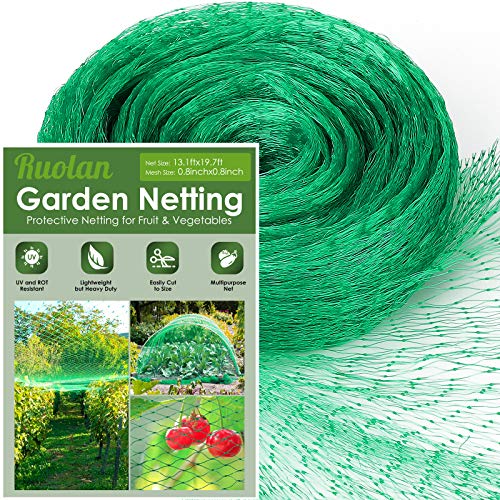
Lightweight plastic mesh with large openings (about ¾ inch). Ideal for keeping birds away from fruit trees, berry bushes, and tomato plants. Easy to drape over plants and structures.
🐛 Insect Netting
Fine mesh with tiny openings (0.5–1 mm). Blocks aphids, flea beetles, cabbage worms, and other small insects. Also provides a degree of frost protection.
🔄 Floating Row Cover
Lightweight, breathable fabric that rests directly on plants. Allows light, air, and water through while keeping pests out. Great for leafy greens and young seedlings.
📐 Heavy-Duty Netting
Thicker, UV-stabilized polyethylene netting for long-term use. Resists tearing and can be used year after year. Often used for orchards and large vegetable plots.
For most home vegetable gardens, a combination of bird netting and insect netting provides comprehensive protection. If you're growing a variety of crops, consider using different types for different beds.
How to Choose the Best Netting for Your Garden
Selecting the right netting involves more than just picking the first one you see. Consider these key factors:
- Mesh Size: For birds, choose ¾-inch mesh. For insects, go with 0.5–1 mm. If you need both, use insect netting with small holes—it works for birds too, though it may be slightly more expensive.
- Material: Polyethylene or polypropylene are durable and UV-resistant. Look for netting that is treated to withstand sun exposure without degrading quickly.
- Size: Measure your garden beds or plants. Purchase netting that is large enough to drape over with some slack for plant growth.
- Ease of Installation: Some netting comes with hoops or support structures. Consider how you'll secure it—using stakes, hoops, or frames.
Also, think about reusability. High-quality netting may cost more upfront but can last 5–10 years with proper care, saving you money in the long run.
Installation & Maintenance Tips
Proper installation ensures your netting works effectively and lasts longer. Follow these simple guidelines:
- Build a Support Structure: Use hoops made from PVC, metal conduit, or flexible tubing to keep the netting elevated above your plants. This prevents damage from the weight of the netting and allows plants room to grow.
- Secure the Edges: Bury the edges of the netting in the soil or weigh them down with rocks, bricks, or garden staples. This prevents pests from crawling underneath.
- Check for Gaps: Ensure there are no holes or tears where birds or insects can enter. Even a small gap can render the netting useless.
- Inspect Regularly: After storms or high winds, check the netting for damage and re-secure any loose sections.
Remember to remove the netting when plants need pollination (like tomatoes and squash) or if you need to perform maintenance like weeding or harvesting. For self-pollinating crops, you can leave the netting on indefinitely.
For more gardening advice, see our guide on easiest vegetables to grow in a raised garden bed.
Cost and Value: What to Expect
The price of garden netting varies widely based on material, size, and mesh density. Here's a general breakdown:
- Basic bird netting (plastic mesh): $15–$40 for a 14' x 100' roll.
- Insect netting (fine mesh): $20–$60 for a 10' x 30' roll.
- Floating row covers: $10–$30 for a 10' x 20' cover.
- Heavy-duty UV-resistant netting: $40–$100+ for larger, thicker rolls.
Investing in a higher-quality product often pays off in durability. A $50 roll of insect netting can protect your garden for several seasons, saving you money on replacing cheap netting each year.
If you're on a budget, consider starting with a smaller roll and expanding as your garden grows. Many gardeners find that a combination of bird netting over fruit trees and insect netting over vegetables provides the best value.
Our Top Picks: Best Netting for Vegetables
Based on extensive research and user reviews, here are our top recommendations for garden netting:
- Best Overall Bird Netting: Polyethylene mesh netting with ¾-inch holes. It's durable, UV-resistant, and easy to drape.
- Best Insect Netting: Fine mesh netting with 0.6 mm holes. Offers excellent protection from aphids and beetles while allowing 85% light transmission.
- Best Budget Option: Lightweight floating row cover. Great for short-term use and can be reused if handled carefully.
- Best for Long-Term Use: Heavy-duty knitted netting. It's tear-resistant and can be used year-round for multiple seasons.
Ready to protect your garden? Browse our selection of recommended netting below. Each product is carefully chosen to help you get the best results.
View Top Netting Products →Choosing the right netting is a small investment that yields big returns in healthy, pest-free vegetables. Whether you're a beginner or an experienced gardener, the right netting will make your garden more productive and enjoyable.
For more plant care tips, check out our guides on how to take care of Christmas cactus in summer and best fertilizer for St. Augustine grass.