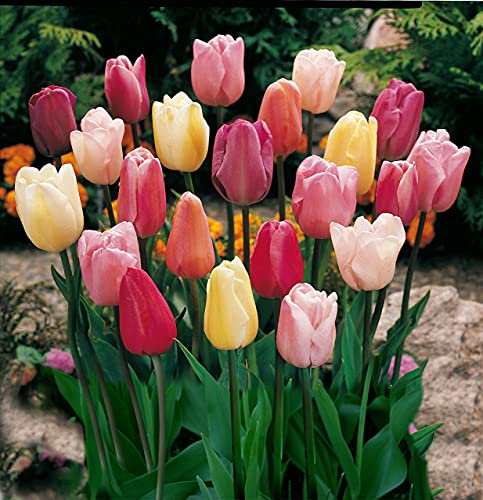
Tulip Plant Guide: Grow Vibrant Spring Blooms
Let gardening inspire you with stunning tulips. Discover expert tips on planting, care, and varieties to create a colorful spring garden.
Why Tulips? Tulips are among the most beloved spring flowers, offering a dazzling array of colors and shapes. Whether you're a beginner or an experienced gardener, this guide will help you grow healthy, vibrant tulip plants that brighten your landscape year after year.
Planting & Soil Preparation
For the best tulip blooms, plant bulbs in the fall, about 6–8 weeks before the first hard frost. Choose a location with full sun to partial shade. Well-drained soil is essential; amend heavy clay with compost or sand to prevent bulb rot. Plant bulbs 6–8 inches deep and 4–6 inches apart, pointy end up. A balanced bulb fertilizer worked into the soil at planting time encourages strong root development.
If you're looking for more ideas to enhance your garden design, explore our guide on low-maintenance front yard landscaping for complementary plantings.
Watering & Sunlight Needs
Tulips prefer moderate moisture. Water thoroughly after planting, then keep the soil slightly moist during the growing season. Once blooms fade, reduce watering as the foliage dies back. Tulips thrive in full sun (at least 6 hours of direct sunlight) but can tolerate light shade, especially in warmer climates.
For gardeners who enjoy container gardening, consider pairing tulips with other spring favorites. Our article on plant stands for indoor plants offers creative display ideas for potted tulips.
Popular Tulip Varieties
Early Bloomers
- Single Early Tulips: Classic cup-shaped blooms, ideal for borders.
- Double Early Tulips: Peony-like flowers, full and lush.
- Kaufmanniana Tulips: Waterlily-shaped, great for rock gardens.
Mid & Late Bloomers
- Triumph Tulips: Strong stems, perfect for cutting gardens.
- Darwin Hybrid Tulips: Large, long-lasting blooms in bold colors.
- Parrot Tulips: Frilled, feathery petals for dramatic effect.
For a continuous spring display, combine tulips with other bulbs like daffodils and hyacinths. If you're planning a raised bed, check out our recommendations on vegetables to grow in raised beds for seasonal rotation ideas.
Ongoing Care & Maintenance
After tulips finish blooming, remove spent flowers to prevent seed formation, but leave the foliage intact until it yellows and dies back. This allows the bulb to store energy for next year's blooms. In colder climates, a layer of mulch over the bulbs in winter provides insulation. Tulips generally naturalize well, but some varieties may need to be lifted and divided every 3–4 years to maintain vigor.
Maintaining a healthy garden ecosystem also involves managing weeds. Learn about effective methods in our guide on lawn weed control to keep your tulip beds pristine.
Common Problems & Solutions
- Bulb Rot: Avoid overwatering and ensure well-draining soil. Remove any diseased bulbs promptly.
- Pests (Squirrels, Voles): Use bulb cages or sprinkle blood meal around planting areas to deter digging.
- Fungal Diseases: Practice crop rotation and avoid planting tulips in the same spot for consecutive years.
- Poor Blooming: Usually caused by overcrowding or inadequate sunlight. Divide bulbs and relocate to sunnier spots if needed.
For natural pest management strategies, visit our guide on organic weed control which also offers safe practices for flower beds.
Design Ideas & Companion Planting
Tulips are versatile and work beautifully in borders, containers, and cutting gardens. Pair them with later-blooming perennials like peonies or irises to extend color. For a cottage garden feel, mix tulips with nasturtium plants and other annuals that fill gaps after tulip foliage dies back. Their bold hues also complement ornamental grasses and evergreen shrubs.
If you're looking to add more structure to your garden, consider adding yard gnomes or decorative elements to enhance the whimsical charm of your tulip display.
Ready to grow your own breathtaking tulips? Explore our recommended tools and supplies below to get started.