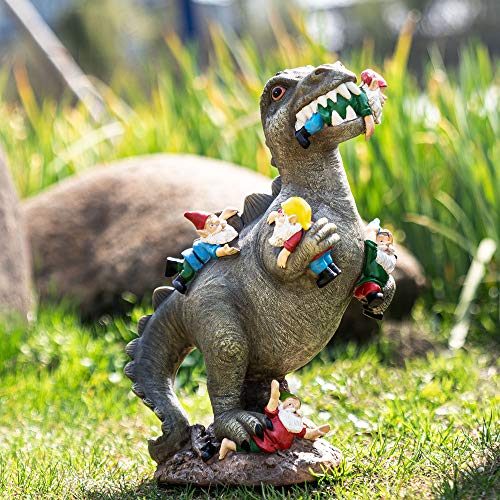
Yard Gnomes: A Complete Guide
From folklore to garden decor – discover the history, types, and how to choose the perfect gnome for your outdoor space.
Let Gardening Presents: Yard gnomes have been charming gardens for centuries. Whether you're a seasoned collector or looking to add your first gnome, this guide covers everything you need to know – from their fascinating history to the best materials and styles available today.
The History of Garden Gnomes
Garden gnomes originated in 19th-century Germany, where they were first crafted as decorative figures for gardens. They were inspired by folklore tales of gnomes – mythical creatures believed to guard underground treasures and protect gardens. The first mass-produced gnomes appeared in Thuringia, Germany, and quickly spread across Europe and the world.
Today, yard gnomes are beloved symbols of good luck and playfulness. They've evolved from simple ceramic figures to a wide variety of materials, styles, and themes. Whether you prefer low-maintenance plants to complement your gnome or a plant stand to display them indoors, there's a gnome for every setting.
Types of Yard Gnomes
🧙 Classic Gnomes
The traditional red-hatted, bearded gnome holding a lantern or tool. Made from resin or ceramic, these are timeless and fit any garden style.
🪚 Themed Gnomes
From fisherman and gardeners to sports fans and holiday themes. Perfect for adding personality and a touch of humor to your outdoor living space.
✨ Glow-in-the-Dark Gnomes
Made with photoluminescent materials, these gnomes charge during the day and glow at night – ideal for solar garden lights to create magical evening landscapes.
🌿 Miniature Gnomes
Small, subtle gnomes that work perfectly in indoor gardening settings, terrariums, or as part of a fairy garden display.
Materials: Which One to Choose?
How to Choose the Perfect Yard Gnome
When selecting a yard gnome, consider size, material, and theme to match your garden's aesthetic. A large stone gnome makes a bold statement, while a set of miniature resin gnomes adds whimsy to flower beds. For modern gardens, opt for sleek, minimalist designs; for cottage gardens, classic bearded gnomes are a natural fit.
Placement is key – position your gnome near weed control areas, beside a solar bird bath fountain, or hidden among nasturtium plants for a delightful surprise. Many collectors enjoy creating "gnome villages" with multiple figures, tiny accessories, and even miniature DIY garden beds.
Caring for Your Yard Gnome
To keep your gnome looking its best, clean it regularly with mild soap and water. Avoid harsh chemicals that may fade colors. For resin or plastic gnomes, a UV-protectant spray can prevent sun damage. In winter, consider storing fragile ceramic gnomes indoors to prevent cracking from freeze-thaw cycles.
For more tips on protecting your garden decor, check out our guide on winter garden preparation and frost protection.
Fun Facts About Garden Gnomes
- The first garden gnomes were created in Germany in the 1800s.
- There's a "Gnome Reserve" in Devon, UK, with over 1,000 gnomes.
- In 2013, a gnome was sent into space as a mascot for a mission.
- Some gnomes are considered good luck charms for gardeners.
- Gnome-themed gardens are a popular trend in landscaping and outdoor living design.
Why Buy Your Yard Gnome Through Us?
We've curated a selection of high-quality yard gnomes available on Amazon. By purchasing through our affiliate links, you support Let Gardening at no extra cost. Plus, you get access to:
- ✔️ Fast shipping & reliable delivery
- ✔️ Customer reviews to help you decide
- ✔️ Competitive prices & seasonal deals
- ✔️ Easy returns if you're not 100% satisfied
Browse our recommended gnomes below and bring a touch of magic to your garden today!