Best Edging to Keep Grass Out of Flower Beds
Stop grass from invading your flower beds. Compare steel, aluminum, plastic, and stone edging solutions to find the right border for your landscape.
Why edging matters: Grass is relentless. Without a proper barrier, creeping rhizomes and stolons from your lawn will steadily infiltrate flower beds, robbing your plants of water and nutrients. The right edging creates a clean visual line, reduces maintenance, and — most importantly — keeps grass where it belongs. This guide breaks down the best edging options by material, installation effort, durability, and long-term value so you can choose with confidence.
Edging Materials Compared
Each edging material balances durability, appearance, installation effort, and relative cost tier. The table below summarizes how the most common options stack up.
| Material | Durability | Grass Barrier | Install Effort | Value Tier | Best For |
|---|---|---|---|---|---|
| Steel | Very High (20+ yrs) | Excellent | Moderate–High | Premium | Modern, clean lines; curved beds |
| Aluminum | High (15+ yrs) | Excellent | Moderate | Mid-range | Rust-free, lightweight borders |
| Plastic / Poly | Moderate (5–10 yrs) | Good–Fair | Low | Entry-level | Budget-friendly, quick DIY |
| Stone / Brick | Very High (30+ yrs) | Excellent | High | Premium / Luxury | Formal gardens, permanent borders |
| Wood | Low–Moderate (3–7 yrs) | Fair | Low–Moderate | Entry-level | Rustic style, temporary beds |
Steel Edging — The Long-Term Champion
Powder-Coated or Galvanized Steel Edging
Steel edging is widely regarded as the gold standard for keeping grass out of flower beds. Rigid steel strips are driven deep into the soil (typically 4–6 inches), creating a physical barrier that grass rhizomes cannot penetrate. Powder-coated finishes resist rust, while galvanized versions handle moisture-heavy climates well. The slim profile also allows crisp, curved designs that plastic edging can't match.
Pros
- Deep root barrier stops creeping grass
- Very long lifespan with minimal upkeep
- Clean, professional appearance
- Handles curves and complex bed shapes
Cons
- Higher upfront investment
- Installation requires more effort and tools
- Can be sharp — handle with gloves
Aluminum Edging — Lightweight and Rust-Free
Aluminum Garden Edging
Aluminum edging offers many of steel's benefits — rigidity, a deep soil barrier, and a sleek look — without the rust risk. It's lighter than steel, making installation more manageable for DIYers. Anodized or powder-coated aluminum resists corrosion and retains its appearance over time. The trade-off is slightly less rigidity on very rocky or uneven ground, but for most flower beds it performs exceptionally well.
Pros
- Won't rust or corrode
- Lighter and easier to install than steel
- Excellent grass barrier when driven deep
- Attractive, modern finish
Cons
- Can dent under heavy impact
- Less rigid than steel on rough terrain
- Mid-range to premium tier cost
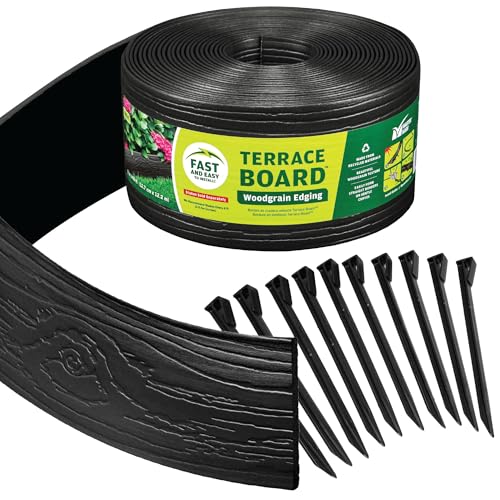
Plastic Edging — Budget-Friendly and Quick
Plastic and Polypropylene Edging
Plastic edging is the most affordable and easiest option to install. Flexible polypropylene coils or rigid plastic strips can be pressed into the soil in minutes. However, plastic is more prone to frost heave, cracking, and being pushed out of the ground over time. For aggressive grasses, a shallow plastic edge may not provide a sufficient barrier — you'll want one deep enough (4+ inches) to slow rhizome travel.
Pros
- Most affordable option
- Fast, tool-light installation
- Flexible for curved beds
- Easy to replace or reposition
Cons
- Shorter lifespan; can crack or heave
- Less effective against aggressive grasses
- May need annual re-seating
Stone & Brick Edging — Permanent and Elegant
Natural Stone, Brick, and Concrete Edging
Masonry edging — whether natural stone, brick, or precast concrete — provides an enduring barrier and a formal, architectural look. Laid in a trench with a compacted base, stone edging creates a substantial physical wall that grass cannot cross. The installation is labor-intensive and often benefits from professional help, but the result is permanent and visually striking.
Pros
- Extremely durable and permanent
- Excellent grass and weed barrier
- Adds significant curb appeal
- Minimal maintenance once installed
Cons
- Highest installation effort
- Premium to luxury tier investment
- Difficult to modify curved layouts later
Wood Edging — Rustic and Affordable
Wooden Garden Edging
Wood edging — from simple stakes to interlocking timbers — offers a warm, natural look at an accessible tier. However, wood rots, warps, and provides only a partial barrier to grass. It's best suited to informal or raised beds, and treated lumber will last longer than untreated. For serious grass control, wood alone is rarely sufficient without an added root barrier.
Pros
- Affordable and widely available
- Natural, rustic aesthetic
- Easy for DIY installation
Cons
- Rots and warps over time
- Weak grass barrier
- Requires periodic replacement
Installation Tips for a Grass-Proof Border
1. Dig a proper trench. Excavate 4–6 inches deep along the bed line. A deeper edge equals better grass control.
2. Bury the barrier below grade. Leave 1–2 inches of edging visible above soil. The buried portion does the real work against rhizomes.
3. Compact the soil. Backfill and tamp firmly so the edging stays upright and doesn't heave in frost.
4. Consider a root barrier. For aggressive grasses like Bermuda, add a heavy-duty plastic or metal root barrier behind decorative edging.
5. Plan curves with stakes and string. Lay out the line first, then install edging in short sections for smoother curves.
6. Maintain the edge line. A string trimmer pass every few weeks keeps the boundary crisp and prevents grass from creeping over the top.
Frequently Asked Questions
What is the most effective edging to stop grass from spreading?
Steel and aluminum edging driven 4–6 inches into the soil are the most effective at blocking grass rhizomes. For aggressive grasses like Bermuda or quackgrass, combine metal edging with a dedicated root barrier for the best results.
How deep should edging be buried to keep grass out?
Aim for at least 4 inches below grade, and 6 inches for aggressive grasses. The deeper the barrier, the less likely rhizomes will tunnel underneath.
Is plastic edging strong enough to stop grass?
Plastic edging can slow grass but is less reliable long-term. Choose a rigid, deep-profile plastic and install it correctly; expect to replace it every several years, especially in freeze-thaw climates.
Can I install steel edging myself?
Yes. Steel edging is DIY-friendly with the right tools — a mallet, a trenching shovel, and gloves. Curved sections are easiest with shorter strip lengths and pre-bent connectors.
Does edging really keep grass out of flower beds?
Yes, when installed deep enough and paired with routine trimming. No edging is 100% maintenance-free, but a properly installed metal or stone barrier dramatically reduces grass invasion compared to no edging at all.
Ready to Protect Your Flower Beds?
Browse our recommended edging and landscaping tools below to find the right barrier for your garden.
View Recommended Edging Tools