A flourishing flower bed is a gardener's pride, but unwelcome weeds can quickly turn that vision into a constant battle. These invasive plants compete with your flowers for water, nutrients, and sunlight, stunting their growth and detracting from your garden's beauty. Finding the best way to get rid of weeds in flower bed is not just about a one-time fix; it's about implementing a comprehensive strategy that includes removal, prevention, and ongoing maintenance. Let gardening guide you through the most effective methods to reclaim your flower beds and keep them weed-free.
Before you can choose the right approach, it helps to understand what you're up against. Weeds generally fall into three categories: annuals, biennials, and perennials. Annual weeds like chickweed and crabgrass complete their lifecycle in a single year, spreading thousands of seeds. Biennials like thistles grow leaves in their first year and flower in the second. Perennial weeds, such as dandelions and bindweed, have deep root systems or rhizomes that allow them to return year after year if not completely removed. The right weed killer for your garden depends on the type of weed you are dealing with, and identifying them is your first step to victory.
1. Manual Removal: The Hands-On Approach
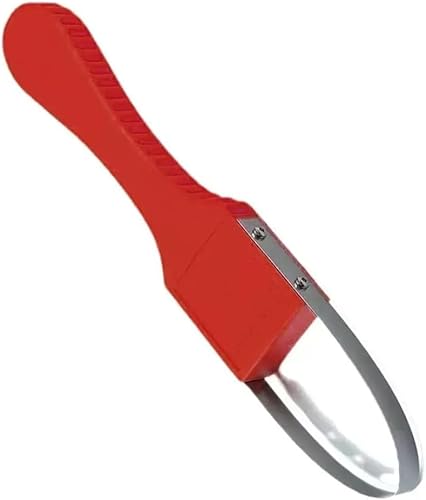
For small flower beds or when dealing with annual weeds, manual removal is often the most straightforward and environmentally friendly method. This involves physically pulling weeds out by hand or using a weeding tool. The key to success is to remove the entire root system. For weeds with taproots like dandelions, a long weeding fork is essential to pry the entire root from the soil. For shallow-rooted annuals, a hand trowel or simply pulling them when the soil is moist (after a rain or watering) can be highly effective. Manual removal is a great way to get immediate results, but it can be labor-intensive for larger areas and is not a permanent solution for persistent perennial weeds.
2. Mulching: The Preventative Shield
One of the most effective best way to get rid of weeds in flower bed strategies is to prevent them from germinating in the first place. This is where mulching comes in. Applying a thick layer of organic mulch, such as shredded bark, wood chips, or cocoa bean shells, around your flowers suppresses weed growth by blocking sunlight from reaching the soil surface. This prevents weed seeds from germinating and also helps retain soil moisture and regulate soil temperature. For best results, apply a 2-3 inch layer of mulch, being careful not to pile it directly against the stems of your plants. Using landscape fabric underneath the mulch can provide an even stronger barrier against perennial and persistent weeds. For more ideas on landscaping, you can explore our front yard landscaping ideas.
3. Chemical Control: Selective and Non-Selective Herbicides
When manual removal and mulching aren't sufficient, chemical herbicides can be a powerful tool. However, it's crucial to use them correctly to avoid harming your precious flowers.
Pre-Emergent Herbicides
Pre-emergent herbicides work by creating a chemical barrier in the soil that prevents weed seeds from germinating. They do not kill existing weeds. They are best applied in early spring before weed seeds begin to sprout. Products containing dinitroaniline or prodiamine are common and effective options for flower beds. This is a key step in ensuring your flower bed stays pristine and can be easily integrated into your seasonal checklist.
Post-Emergent Herbicides
Post-emergent herbicides are designed to kill weeds that are already growing. These are divided into two categories:
- Selective Herbicides: These target specific types of weeds (like broadleaf weeds) without harming grassy plants. A weed killer for flower beds that won't kill flowers is an example of a selective product, often containing active ingredients like 2,4-D or dicamba. These are suitable for use in lawns and flower beds where you want to protect your desired plants.
- Non-Selective Herbicides: Products like glyphosate (Roundup) kill any plant they come into contact with. They are useful for clearing an entire area of weeds or for spot-treating stubborn perennial weeds, but they must be applied with extreme caution to avoid any drift onto your flowers. When using these, a shield or careful, targeted application is essential.
4. Natural and Organic Solutions
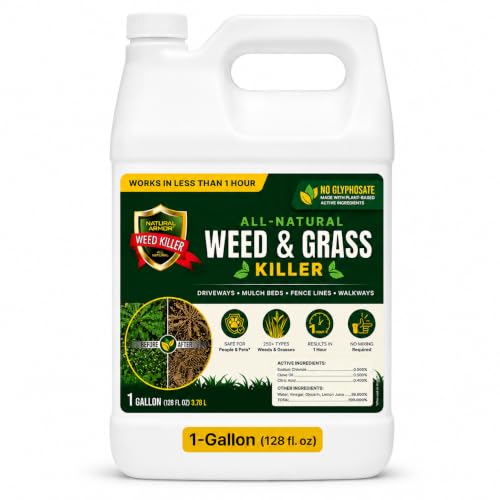
For gardeners who prefer an organic approach, there are several effective natural weed killers. A simple mixture of white vinegar (with a higher acetic acid concentration, like 20% horticultural vinegar), salt, and a few drops of dish soap can be a potent contact herbicide. It burns the foliage of weeds, causing them to wither. However, this method is non-selective and works best on young annual weeds. Another option is using corn gluten meal, which acts as a natural pre-emergent herbicide. Products like organic weed and grass killer for vegetable garden are also available for gardeners looking for plant-based solutions. Remember to apply these on a sunny day for best results.
Expert Tip: The best defense against weeds is a healthy, dense flower bed. Healthy plants and flowers outcompete weeds for resources. Regular fertilization and proper watering based on a watering guide ensure your flowers thrive and leave little room for unwanted invaders. Consider practices like crop rotation and companion planting flowers to build a resilient and balanced garden ecosystem.
5. Maintaining a Weed-Free Flower Bed Long-Term
Successful weed control is a continuous process, not a one-time event. After you've cleared your flower bed, establish a routine to keep it that way. Regularly inspect your beds, especially after rain, and remove any small weeds before they become established. Use a sharp hoe to cut down weeds at the soil line without disturbing your flowers. Replenish your mulch annually to maintain its effective depth. These habits are essential for keeping your garden beautiful. For a long-term strategy, you might also consider using landscape edging such as the best edging to keep grass out of flower beds to create a clear physical barrier between your lawn and your flower beds.
Additionally, consider the use of ground covers. Planting low-growing, spreading perennials or using decorative stones can fill in bare spaces, further preventing weeds from finding a home in your flower bed. For those with large gardens, investing in efficient watering systems like a drip irrigation system can deliver water directly to your plants' roots, reducing moisture on the surface where weed seeds often germinate. By combining these methods, you can drastically reduce the weed population and enjoy a more vibrant and hassle-free flower garden.