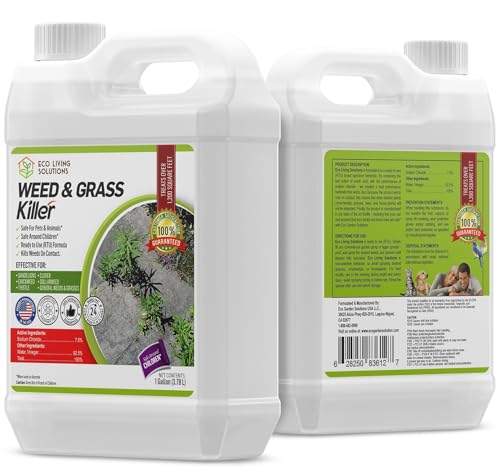
Weed Killer for Garden That Won't Kill Plants: A Safe & Effective Guide
Discover the best selective herbicides and organic weed control methods to keep your garden pristine without harming your prized flowers and vegetables.
Shop Safe Weed KillersMaintaining a beautiful garden means keeping unwanted weeds at bay, but the challenge for many gardeners is finding a weed killer for garden that won't kill plants. The fear of accidentally harming your beloved flowers, shrubs, or vegetable patch can make weed control feel like a high-stakes game. Fortunately, modern gardening science offers several safe and effective solutions.
This guide explores the world of selective herbicides, organic alternatives, and best practices to eliminate weeds while protecting your garden's health. Whether you're dealing with dandelions in your lawn or invasive weeds in your flower beds, you'll find the right approach here.
Understanding Selective Herbicides: How They Work
The key to a weed killer that won't kill plants and flowers lies in the science of selective herbicides. Unlike non-selective options (like glyphosate) that kill any green plant they touch, selective herbicides are formulated to target specific types of plants, usually broadleaf weeds, while leaving grasses and many garden plants unharmed.
These products contain active ingredients like 2,4-D, Dicamba, or MCPA, which affect the growth hormones of broadleaf plants. They are absorbed through the leaves and roots, causing the weed to grow itself to death. When applied correctly, they are safe for use on lawns and can even be used in flower beds with careful application.
For vegetable gardens, look for products specifically labeled for use in edible gardens. Organic weed and grass killer for vegetable garden options are also available and are a great choice if you're concerned about chemical residues.
Types of Weed Killers Safe for Gardens
When searching for a weed killer for flower beds that won't kill flowers, you'll find several categories of products, each with its own pros and cons.
1. Selective Broadleaf Herbicides
These are the most common type of weed killer for lawns. They are designed to kill weeds like dandelions, clover, and plantain without harming your grass. Many formulations are also safe for established trees and shrubs when used as directed. For the best weed killer for lawns that doesn't kill grass, look for products containing 2,4-D or Dicamba.
2. Pre-Emergent Herbicides
Pre-emergents are a proactive approach. They prevent weed seeds from germinating, stopping the problem before it starts. Corn gluten meal is a popular organic option. This is perfect for those asking how to get rid of weeds in a flower bed before they become an issue.
3. Organic and Natural Weed Killers
If you prefer a more natural approach, several effective options are available. Vinegar (with a high acetic acid concentration), horticultural vinegar, and herbicidal soaps can be used as contact killers. However, these are often non-selective, so careful spot application is crucial. For a weed killer that can be used in flower beds safely, consider a product with ingredients like clove oil or citric acid.
For those with a gravel driveway, best way to get rid of weeds on gravel driveway often involves a non-selective herbicide, but with careful application you can minimize risk to adjacent garden beds.
How to Apply Weed Killer Safely Around Plants
Even the safest product can cause damage if applied incorrectly. Follow these tips to protect your plants.
- Read the Label: This is the most important step. Always follow the manufacturer's instructions for mixing and application rates.
- Spot Treat: Instead of spraying the entire area, use a targeted approach. For individual weeds, use a small sprayer or a foam brush to apply the product directly to the weed's leaves.
- Use Shields: When spraying near desirable plants, use a piece of cardboard or plastic as a shield to prevent overspray.
- Choose the Right Weather: Apply on a calm day to prevent drift. Avoid applying before rain, as it can wash the product away before it's absorbed.
- Timing is Key: Apply to actively growing weeds in the spring or fall. Young weeds are easier to control than mature ones.
Comparison of Safe Weed Killers
To help you make an informed decision, here's a comparison of some popular types of weed killers that are safe for gardens.
| Type | Best For | Active Ingredient | Safety |
|---|---|---|---|
| Selective Broadleaf Herbicide | Lawns, Dandelions, Clover | 2,4-D, Dicamba | Safe for grass, cautious around flowers |
| Pre-Emergent | Flower Beds, Preventing Weeds | Corn Gluten Meal, Prodiamine | Safe for established plants |
| Organic Contact (Vinegar) | Spot treatment, Driveways | Acetic Acid | Non-selective, must be careful |
| Herbicidal Soap | Young weeds, Small areas | Potassium salts | Safe for garden, contact killer |
For a comprehensive solution, consider a grass and weed killer that won't kill plants that combines selective and pre-emergent action.
Organic and Homemade Solutions
If you're looking for a weed killer for garden that won't kill plants and prefer a DIY approach, there are several options to explore. These are often milder and safer for use around children and pets.
- Vinegar and Salt Solution: Mix horticultural vinegar (20% acetic acid) with a small amount of salt and dish soap. This is a powerful contact killer. However, use it sparingly, as salt can build up in the soil.
- Boiling Water: A simple and effective method for killing weeds in cracks and pathways. It's non-toxic and instantly kills the plant tissue.
- Corn Gluten Meal: As mentioned earlier, this is an excellent organic pre-emergent. It can be applied to lawns and garden beds to prevent weed seeds from germinating.
For controlling pests in your garden along with weeds, consider diatomaceous earth for pest control, which is a safe and natural option.
Preventing Future Weeds
The best way to deal with weeds is to prevent them from establishing in the first place. A healthy, dense garden is the most effective weed deterrent.
- Mulching: Apply a 2-3 inch layer of organic mulch (wood chips, straw, or shredded leaves) around your plants. This blocks sunlight, preventing weed seeds from germinating, and also retains moisture.
- Planting Ground Covers: Use low-growing plants like creeping thyme or sedum to fill in bare spaces, leaving no room for weeds.
- Proper Watering: Water deeply but less frequently to encourage deep root growth in your desirable plants, making them more competitive against weeds.
- Regular Inspection: Walk your garden weekly and pull any small weeds before they can establish a root system. This is especially important in areas where you cannot apply herbicides, like vegetable beds.
For tips on creating a low-maintenance garden, check out simple front yard landscaping ideas low maintenance to design a beautiful space that naturally resists weeds.
Expert Tip: Before applying any weed killer, always test it on a small, inconspicuous area of your garden to see how your plants react. This is especially important for delicate flowers and young seedlings. If you notice any yellowing or damage on the test plant, look for a different product or method.
Conclusion: Choose the Right Protection for Your Garden
Finding the weed killer for garden that won't kill plants is entirely achievable. Whether you opt for a selective herbicide, a pre-emergent, or a natural solution, understanding the product and applying it with care is the secret to success. By protecting your plants while eliminating weeds, you can enjoy the garden of your dreams.
Are you ready to tackle your weed problem safely? Check out our recommended products below to find the perfect solution for your specific needs. For more gardening advice, explore our gardening tips section, or if you're starting a new project, see our backyard garden landscape ideas.