Best Fertilizer for Tomatoes and Peppers in Pots
Everything you need to know about feeding container-grown tomatoes and peppers — from NPK ratios and organic options to feeding schedules and troubleshooting nutrient deficiencies.
Why Container Tomatoes and Peppers Need Special Fertilizer
Growing tomatoes and peppers in pots is one of the most rewarding ways to enjoy fresh produce, even with limited space. But container gardening comes with a critical difference from in-ground planting: the root zone is confined to a relatively small volume of potting mix, and every watering flushes nutrients out of the drainage holes. Unlike garden soil that can hold a reservoir of minerals for years, potting mix depletes quickly and must be replenished regularly.
Tomatoes and peppers are both heavy feeders. They produce large, fast-growing plants and need steady supplies of nitrogen, phosphorus, and potassium along with calcium and magnesium to develop healthy foliage, strong blooms, and fruit that doesn't suffer from blossom-end rot. Understanding which fertilizer to use — and how often — is the single biggest factor separating a disappointing harvest from an abundant one.
For a broader look at how fertilizer types differ for container growing, see our guide on the best fertilizer for growing tomatoes in containers.
The NPK Ratio That Works Best in Pots
Fertilizer labels display three numbers — nitrogen (N), phosphorus (P), and potassium (K). Each plays a distinct role for container tomatoes and peppers:
- Nitrogen (N) drives leafy growth and the plant's overall vigor. Too much nitrogen in containers leads to lush foliage at the expense of fruit.
- Phosphorus (P) supports root development, flowering, and fruit set. It's especially important once the plant transitions from vegetative growth to blooming.
- Potassium (K) improves fruit quality, disease resistance, and overall plant hardiness. It also helps regulate water uptake, which matters in containers that dry out quickly.
For container tomatoes and peppers, a balanced ratio such as 10-10-10 works well throughout the season, while a fruiting-stage blend like 5-10-10 or 6-12-12 supports heavier bloom and fruit production. During early growth, a slightly nitrogen-forward formula such as 10-5-5 encourages strong stems and leaves. Many experienced container gardeners switch from a balanced feed to a low-nitrogen, high-phosphorus blend once the first flowers appear.
Organic vs. Synthetic Fertilizers for Pots
Both organic and synthetic fertilizers can produce excellent results in containers. The choice depends on your gardening philosophy, how often you're willing to feed, and how quickly your plants need nutrients.
Organic Fertilizers
Organic options such as compost, worm castings, fish emulsion, kelp meal, and alfalfa meal release nutrients slowly as soil microbes break them down. They improve potting mix structure and support beneficial microbial life. In containers, organic fertilizers work best as a base amendment mixed into the potting soil at planting time, supplemented with a liquid organic feed during the growing season. Fish emulsion diluted to half strength every 10–14 days is a classic choice for container tomatoes and peppers.
Synthetic Fertilizers
Synthetic fertilizers deliver nutrients in immediately available forms, making them easy to measure and fast-acting. Soluble powders and liquids dissolve in water and can be applied with every watering at a diluted rate. They're especially useful when a plant shows a sudden deficiency — yellowing leaves or stalled growth — because the nutrients are absorbed within days. The trade-off is that synthetics do nothing to improve soil structure and can cause salt buildup in pots if over-applied.
Hybrid Approach
Many successful container gardeners combine the two: a rich organic base (compost or worm castings blended into the potting mix) provides slow-release nutrition and microbial support, while a soluble organic or synthetic feed provides precise, rapid boosts during peak fruiting. This hybrid strategy offers both soil health and responsive feeding.
Comparing Fertilizer Types for Container Tomatoes and Peppers
| Fertilizer Type | Typical NPK Range | Release Speed | Best Use in Pots | Market Tier |
|---|---|---|---|---|
| Liquid fish emulsion | 2-4-1 to 5-1-1 | Fast | Bi-weekly feed during active growth | Entry-level |
| Worm castings | ~1-0-0 with micronutrients | Slow | Mixed into potting soil as a base | Entry-level |
| Balanced soluble powder | 10-10-10 or 20-20-20 | Fast | Weekly diluted feed through the season | Mid-range |
| Tomato/pepper-specific liquid | 5-10-10 or 6-12-12 | Fast | Fruiting-stage feeding for bloom and fruit set | Mid-range |
| Slow-release granules | 14-14-14 or 19-6-12 | Slow | Mixed into mix at planting; mid-season supplement | Mid-range |
| Premium organic blend | Varies; includes kelp, alfalfa, humates | Slow to medium | Base amendment plus monthly top-dress | Premium |
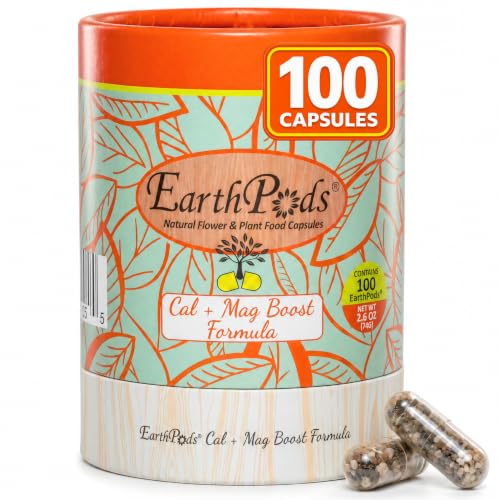
| Calcium-magnesium supplement | 0-0-0 with Ca and Mg | Fast | Prevents blossom-end rot; used preventively | Mid-range |
No single fertilizer is universally best. The ideal choice depends on your watering habits, the size of your containers, and whether you prefer organic inputs or the precision of synthetics. Many gardeners keep two products on hand: a balanced all-purpose feed for early growth and a fruiting-stage blend for the second half of the season.
How to Build a Feeding Schedule for Potted Tomatoes and Peppers
Consistency matters more than any single product. A simple schedule that matches the plant's growth stages will outperform sporadic heavy feeding.
- At planting: Blend a slow-release organic amendment — compost, worm castings, or a granular organic fertilizer — into the potting mix according to the label. This provides a baseline nutrient reserve.
- First 3–4 weeks: Feed every 10–14 days with a balanced liquid fertilizer diluted to half strength. This supports establishment and early vegetative growth.
- At first flower: Switch to a low-nitrogen, high-phosphorus feed such as 5-10-10 or 6-12-12. Apply every 7–10 days at half strength to support bloom and fruit set.
- During fruit development: Continue the fruiting-stage feed weekly. Add a calcium-magnesium supplement preventively if your water is soft or you've seen blossom-end rot before.
- Late season: Reduce nitrogen further as the plant approaches the end of its productive cycle. Continue potassium to support ripening fruit.
Always water the plant before applying liquid fertilizer — feeding a dry pot can burn roots. And flush the container with plain water every 4–6 weeks to prevent salt accumulation, especially if you're using synthetic fertilizers.
Signs Your Container Tomatoes and Peppers Need More (or Less) Fertilizer
Plants communicate their nutrient status through their leaves and growth patterns. Learning to read these signs lets you adjust feeding before problems become serious.
Signs of Nutrient Deficiency
- Pale green or yellow lower leaves: Often indicates nitrogen deficiency, common in heavily watered containers.
- Purple-tinged leaves: May signal phosphorus deficiency, especially in cool conditions.
- Brown, scorched leaf edges: Can indicate potassium deficiency or salt stress from over-fertilizing.
- Blossom-end rot: A calcium deficiency, frequently caused by irregular watering rather than low calcium in the soil.
- Yellowing between leaf veins: Often a magnesium deficiency in containers.
Signs of Over-Fertilizing
- Excessive leafy growth with few or no flowers
- Crispy, burned leaf margins
- White crust on the potting mix surface (salt buildup)
- Blossom drop despite good weather
- Stunted plants with dark, leathery leaves
If you suspect over-fertilizing, stop feeding and flush the container thoroughly with plain water, allowing it to drain freely. Resume at a lower concentration once the plant recovers. For a deeper dive into diagnosing leaf problems, see our watering and nutrient management guide.
Organic and DIY Fertilizer Options Worth Trying
Gardeners who prefer to keep things natural have plenty of effective options for container tomatoes and peppers:
- Compost tea: Steep finished compost in water for 24–48 hours, then dilute and apply as a foliar and soil drench. Rich in microbes and mild nutrients.
- Worm castings tea: Similar to compost tea but with a higher concentration of available nutrients and growth hormones.
- Fish emulsion and kelp: A classic combination — fish emulsion supplies nitrogen and phosphorus, kelp adds potassium and trace minerals.
- Alfalfa meal: Slow-release nitrogen plus a natural growth stimulant; excellent as a top-dress or tea.
- Banana peel tea: A mild potassium supplement, useful during fruiting but not a substitute for a complete fertilizer.
- Crushed eggshells: Slow-release calcium, but they break down too slowly to correct blossom-end rot in a single season — consistent watering matters more.
For more on building healthy soil for containers, see our soil and potting mix guides.
Common Mistakes When Fertilizing Potted Tomatoes and Peppers
- Using garden soil in pots: Garden soil compacts in containers and lacks the drainage and aeration that potting mix provides. Always use a quality potting mix designed for containers.
- Feeding on a fixed calendar without observing plants: Growth stage and plant appearance should drive feeding decisions more than the calendar.
- Applying full-strength liquid fertilizer to containers: Pots concentrate nutrients. Dilute to half or quarter strength and feed more often.
- Ignoring pH: Tomatoes and peppers prefer slightly acidic to neutral soil (pH 6.0–6.8). If nutrients are present but plants look deficient, pH may be locking them out.
- Overlooking calcium and magnesium: These secondary nutrients are easily leached from containers and are critical for fruit quality.
Related Guides for Container Vegetable Growing
Frequently Asked Questions
What NPK ratio is best for tomatoes and peppers in pots?
Use a balanced 10-10-10 or similar ratio during early growth, then switch to a fruiting-stage blend such as 5-10-10 or 6-12-12 once flowers appear. Lower nitrogen and higher phosphorus and potassium support bloom and fruit development while preventing excessive leafy growth.
How often should I fertilize tomatoes and peppers in containers?
Feed every 7–14 days during the growing season with a diluted liquid fertilizer. Because container watering leaches nutrients, frequent diluted feeding is more effective than occasional heavy applications. Slow-release granules can supplement but usually need a mid-season boost.
Is organic or synthetic fertilizer better for potted tomatoes and peppers?
Both work well. Organic fertilizers improve soil structure and release nutrients slowly, while synthetics act fast and are easy to dose precisely. Many gardeners combine an organic base with a soluble feed during peak fruiting for the best of both approaches.
Can I over-fertilize tomatoes and peppers in pots?
Yes. Over-fertilizing causes excessive leaf growth, blossom drop, burned leaf edges, and salt buildup. Always dilute liquid fertilizers for containers, water before feeding, and flush the pot occasionally with plain water to prevent salt accumulation.
Why are my tomato leaves turning yellow in pots?
Yellowing lower leaves are most often a sign of nitrogen deficiency from frequent watering, though over-watering, poor drainage, and pH imbalance can also cause it. Check soil moisture first, then evaluate your feeding schedule and potting mix drainage.
Do peppers need different fertilizer than tomatoes?
Peppers and tomatoes have similar nutritional needs and respond well to the same balanced or fruiting-stage fertilizers. Peppers are slightly lighter feeders than tomatoes and can be fed at slightly lower concentrations, but the NPK ratios and feeding principles are essentially the same.
Final Thoughts
The best fertilizer for tomatoes and peppers in pots is one that matches your plants' growth stage, your watering habits, and your preference for organic or synthetic inputs. A balanced feed during early growth, a phosphorus- and potassium-forward blend during flowering and fruiting, and consistent diluted applications throughout the season will keep container plants productive from the first ripe tomato to the last pepper harvest.
Start with a quality potting mix, build in a slow-release organic base, feed regularly with a liquid fertilizer, and watch your plants for signs of deficiency or excess. With a little attention, even a small patio container can produce a surprisingly generous harvest.