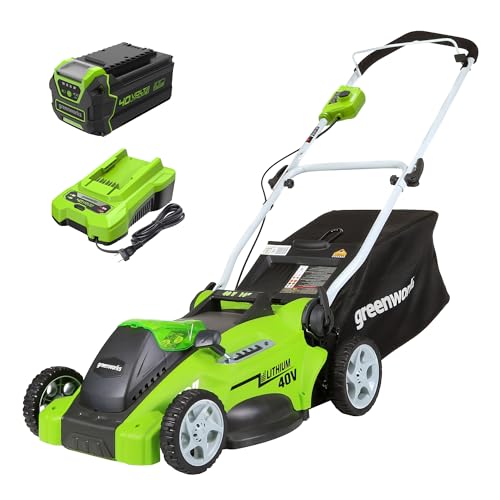
Best Self-Propelled Gas Lawn Mower with Electric Start
Effortless mowing starts here. Discover how electric-start self-propelled mowers eliminate pull-cord frustration and turn lawn care into a smooth, comfortable routine.
Why electric start changes everything: If you've ever wrestled with a stubborn pull cord on a hot day, you already know the value of electric start. A self-propelled gas mower with electric start combines two of the most practical innovations in lawn care: the effortless forward motion of self-propulsion and the push-button simplicity of electric ignition. Together, they transform mowing from a chore into a manageable — even enjoyable — task. This guide breaks down what to look for, how these mowers perform across different yard types, and which features genuinely matter for long-term satisfaction.
What Is a Self-Propelled Gas Mower with Electric Start?
A self-propelled gas lawn mower with electric start is a walk-behind mower powered by a gasoline engine that drives its own wheels forward. Instead of pushing the mower, you simply guide it. The electric start feature means the engine ignites with a key turn or button press, using a small rechargeable battery rather than a manual pull cord.
This combination addresses the two biggest pain points of traditional gas mowing: physical exertion and unreliable starting. For homeowners with medium to large lawns, sloped yards, or anyone who simply wants to reduce fatigue, these mowers offer a meaningful upgrade. If you're comparing drive systems, our guide to the best self-propelled mower for hilly terrain covers how different configurations perform on slopes.
Key Features That Matter
Electric Start System
Typically powered by a 12V battery that recharges while the engine runs. Turn a key or press a button — no pulling, no priming, no frustration. Most systems include a backup pull cord for peace of mind.
Drive System Type
Front-wheel drive (FWD) is easier to maneuver on flat ground and around obstacles. Rear-wheel drive (RWD) offers superior traction on slopes and uneven terrain. All-wheel drive (AWD) provides maximum grip for challenging yards.
Variable Speed Control
Lets you match the mower's pace to your walking speed and the terrain. A must-have for slopes, thick grass, or precision trimming around garden beds and landscaping features.
Cutting Deck Width
Standard walk-behind decks range from 21 to 23 inches. Wider decks cover more ground per pass but may be harder to navigate in tight spaces. Match the deck size to your lawn's layout.
Engine Displacement
Measured in cc, engine size affects power and torque. Entry-level engines handle flat, modest lawns. Mid-range and premium engines provide more torque for thick grass, slopes, and mulching performance.
Mulching and Discharge Options
Most modern mowers offer 3-in-1 capability: mulching, side discharge, and rear bagging. Mulching returns nutrients to the soil; side discharge handles tall grass; bagging collects clippings for a clean finish.
How Tiers Compare: Entry-Level to Premium
Not all electric-start self-propelled mowers are created equal. The market segments into distinct tiers based on build quality, engine performance, drive refinement, and durability. Here's how they compare using consistent quality descriptors:
| Feature | Entry-Level | Mid-Range | Premium | Top-Tier |
|---|---|---|---|---|
| Engine | Basic OHV, adequate for flat lawns | Improved torque, handles moderate slopes | High-torque OHV, excellent mulching power | Commercial-grade engine, maximum durability |
| Drive System | Single-speed FWD | Variable-speed FWD or RWD | Variable-speed RWD with enhanced traction | AWD or premium RWD with dial-control speed |
| Deck Material | Stamped steel | Stamped steel with rust-resistant coating | Fabricated steel or cast aluminum | Commercial-grade fabricated deck |
| Electric Start | Basic key-start with backup cord | Reliable key-start, improved battery | Push-button start, maintenance-free battery | Push-button with smart charging system |
| Warranty | 2 years | 3 years | 3–5 years | 5+ years, some with commercial coverage |
| Best For | Small, flat yards; occasional use | Medium lawns; regular mowing | Large or sloped yards; frequent use | Demanding terrain; near-daily or professional use |
For a broader selection across price tiers, see our roundup of the best self-propelled electric-start gas lawn mowers. If you're specifically interested in how these mowers handle difficult ground, the best self-propelled mower for rough terrain guide dives deeper into traction and suspension features.
Pros and Cons of Electric-Start Self-Propelled Gas Mowers
✅ Advantages
- No more pull-cord frustration — start with a turn or push
- Self-propulsion reduces physical strain and fatigue
- Variable speed lets you match pace to terrain and grass conditions
- Gas engine provides unlimited runtime without charging breaks
- 3-in-1 cutting options (mulch, bag, discharge) for versatility
- Electric start is especially helpful for older users or those with limited strength
⚠️ Considerations
- Requires routine engine maintenance (oil, spark plug, air filter)
- Starter battery needs periodic replacement (typically every few years)
- Heavier than push mowers — self-propulsion compensates, but storage may be harder
- Gas storage and handling required
- More complex than electric or manual reel mowers
- Noise levels higher than battery-electric alternatives
How to Choose the Right Mower for Your Yard
Match the drive system to your terrain. Front-wheel drive is ideal for flat, straightforward lawns with plenty of obstacles to navigate. Rear-wheel drive excels on slopes and uneven ground where traction matters most. If your yard is genuinely challenging, consider an AWD model or consult our guide to the best self-propelled mower for uneven terrain.
Consider your lawn size. For lawns under a quarter-acre, a 21-inch deck with a single-speed drive is often sufficient. Larger lawns benefit from a 23-inch deck and variable-speed control to reduce mowing time. If your property is expansive, you may eventually want to compare walk-behind mowers against riding options — our overview of riding mowers for 1–2 acre lots can help frame that decision.
Don't overlook the discharge option. Side discharge is valuable for tall grass or when you want to spread clippings without bagging. If that's a priority, review the best self-propelled mowers with side discharge.
Think about storage and maintenance. These mowers are heavier and more complex than basic push models. Ensure you have space for storage and are comfortable with basic engine maintenance — or have a local service provider you trust.
Where to buy. For advice on sourcing, see our guide to the best place to buy a self-propelled lawn mower. And if you're still weighing self-propelled against other options, the best-rated walk-behind self-propelled lawn mowers roundup offers a wider view.
Ready to Upgrade Your Mowing Experience?
Browse our curated selection of top-rated self-propelled gas mowers with electric start below. Each model is chosen for reliability, ease of use, and long-term value.
View Top Picks ↓