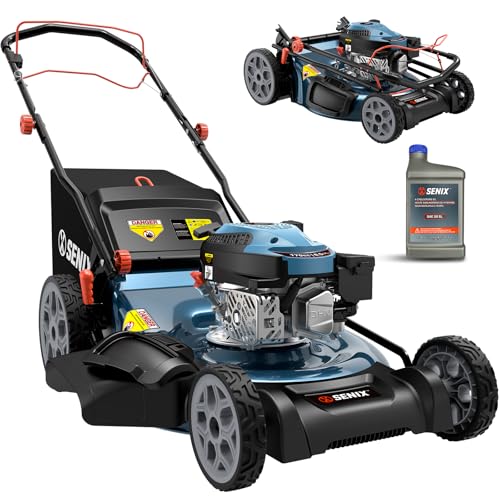
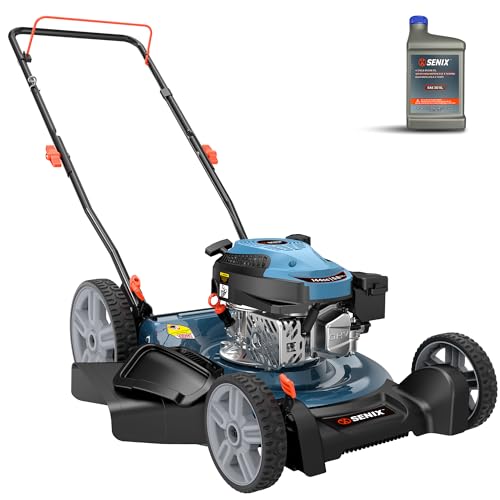
Best Self-Propelled Lawn Mower with Side Discharge
Take the guesswork out of buying a self-propelled mower with side discharge. This expert guide covers what matters most: propulsion systems, discharge efficiency, deck durability, and real-world performance so you can mow faster with less fatigue.
Why a Self-Propelled Mower with Side Discharge Is a Smart Choice
A self-propelled lawn mower with side discharge combines two of the most practical features in residential lawn care. The self-propelled drive system pulls the mower forward, reducing the physical effort required to push across uneven ground, slopes, or thick grass. Side discharge, meanwhile, expels clippings out of the deck's side chute, allowing continuous mowing without stopping to empty a bag.
This combination is especially valuable for homeowners with larger lawns or rough terrain. Instead of wrestling a heavy push mower or repeatedly emptying a collection bag, you walk at a steady pace while clippings are distributed back into the lawn as natural mulch. For a broader overview of drive systems and terrain handling, see our guide to the best self-propelled lawn mower for hilly terrain.
Side discharge also excels in tall or wet grass where bagging would clog frequently. The open chute keeps airflow moving and prevents the deck from bogging down. If your lawn includes slopes or bumpy sections, our article on the best self-propelled lawn mower for uneven terrain explains how traction and wheel design affect performance.
Key Features to Evaluate Before You Buy
Not all self-propelled side-discharge mowers are built the same. The following features have the biggest impact on day-to-day usability, durability, and mowing quality.
1. Propulsion System: Front-Wheel vs. Rear-Wheel Drive
Front-wheel-drive (FWD) mowers are easier to maneuver around obstacles and typically cost less. Rear-wheel-drive (RWD) mowers provide superior traction on slopes and thick grass because the drive wheels sit under the weight of the engine. For flat lawns with many trees and flower beds, FWD is often sufficient. For hills or consistently dense turf, RWD is the better investment.
2. Side Discharge Design and Chute Quality
A well-designed side discharge chute should direct clippings away from the operator and disperse them evenly. Look for a chute that is easy to attach and remove, and made from flexible, durable material that resists cracking. Some mowers offer a mulching plug that converts the side discharge into a mulching setup, adding versatility.
3. Cutting Deck Size and Material
Deck width determines how many passes you need. A 21-inch deck is standard for residential self-propelled mowers and balances maneuverability with efficiency. Steel decks are durable and handle rough terrain well; aluminum decks resist rust but may dent more easily. Composite decks are lightweight and rust-proof but can be more expensive.
4. Engine Type and Starting Mechanism
Gas self-propelled mowers typically use engines from 140cc to 190cc. Larger engines handle thick grass and side discharge better without bogging down. Electric-start models eliminate the need to pull a cord, which is a significant convenience for users who struggle with recoil starting. See our comparison of the best self-propelled gas lawn mower with electric start for models that combine power with push-button convenience.
5. Wheel Size and Height Adjustment
Larger rear wheels improve rolling over uneven ground and reduce effort on slopes. Single-lever height adjustment is far more convenient than adjusting each wheel individually, especially if you change cutting height seasonally.
Quick Feature Comparison
Front-Wheel Drive
Best for flat lawns with many obstacles. Easier to turn and typically more affordable within the entry-level and mid-range tiers.
Rear-Wheel Drive
Superior traction on slopes and thick grass. Preferred for larger properties and recommended in the mid-range to premium tiers.
Side Discharge Chute
Disperses clippings efficiently without bagging. Ideal for tall grass and large lawns where stopping to empty a bag slows you down.
Electric Start
Push-button starting eliminates recoil effort. A worthwhile upgrade for users who prioritize convenience and ease of use.
Steel Deck
Durable and impact-resistant. Handles rough terrain and debris better than lighter materials, especially in the premium tier.
Single-Lever Height Adjustment
Change cutting height quickly and consistently. A small feature that makes a big difference in weekly mowing routine.
Entry-Level vs. Mid-Range vs. Premium: What to Expect
Self-propelled mowers with side discharge are available across three broad quality tiers. Understanding what each tier offers helps you choose the right balance of features and durability for your lawn.
| Feature | Entry-Level | Mid-Range | Premium |
|---|---|---|---|
| Drive System | Front-wheel drive, basic belt | Front or rear-wheel drive, smoother engagement | Rear-wheel drive, variable speed |
| Deck Material | Stamped steel, lighter gauge | Stamped steel, reinforced | Fabricated steel or composite |
| Engine | Standard 140–160cc | 160–175cc with better air filtration | 175–190cc, premium brand |
| Starting | Recoil pull | Recoil or electric start | Electric start standard |
| Wheel Size | Standard 7–8 inch | Larger rear wheels (8–11 inch) | Large rear wheels (11+ inch) |
| Height Adjustment | Individual wheel levers | Single or dual-lever | Single-lever, multiple positions |
| Side Discharge | Basic chute | Reinforced chute, mulching plug included | Heavy-duty chute, full 3-in-1 capability |
Entry-level models are a practical starting point for small, flat lawns and occasional use. Mid-range mowers offer noticeably smoother operation, better traction, and more consistent side discharge performance. Premium models are built for large properties, frequent mowing, and demanding terrain, with durable components that hold up over years of use.
If you prefer the quiet operation and lower maintenance of battery power, our guide to the best self-propelled electric lawn mower for hills covers cordless models that handle slopes without the weight of a gas engine.
What to Look For When Buying
Before choosing a model, consider how you will actually use the mower. A few practical questions will narrow your options quickly:
- Lawn size: For lawns under a quarter acre, a 21-inch deck with FWD is efficient. Larger lawns benefit from RWD and wider decks.
- Terrain: Slopes and uneven ground call for rear-wheel drive and larger wheels. Flat lawns can use FWD without issue.
- Grass type: Thick, fast-growing grass demands a larger engine and a side discharge chute that clears clippings without clogging.
- Starting preference: If pulling a cord is difficult, prioritize electric start models.
- Storage space: Folding handles and vertical storage options help in tight garages or sheds.
For a broader selection of walk-behind models with self-propulsion, explore our roundup of the best rated walk-behind self-propelled lawn mowers. If you are still deciding where to purchase, our guide to the best place to buy a self-propelled lawn mower covers trusted retailers and what to check before ordering.
Advantages of Side Discharge for Everyday Mowing
Side discharge is the most efficient clipping management method for large or fast-growing lawns. Unlike bagging, which requires frequent stops to empty a heavy bag, side discharge lets you mow continuously. The clippings are distributed across the lawn, where they break down and return nutrients to the soil.
This method also reduces mowing time significantly. On a half-acre lawn, the time saved by not emptying a bag can add up to 15–20 minutes per mowing session. Side discharge is also less prone to clogging in wet or tall grass compared to rear bagging, making it a reliable choice for homeowners who mow on a consistent schedule but occasionally face overgrown patches.
For properties with rough or sloped terrain, side discharge pairs well with a self-propelled drive system to keep the mower moving steadily. Our article on the best self-propelled lawn mower for rough terrain highlights models built to handle bumps and uneven ground without sacrificing discharge performance.
Pros and Cons of Self-Propelled Side-Discharge Mowers
Pros
- Reduced physical effort compared to push mowers
- Continuous mowing without bag emptying
- Efficient clipping dispersal as natural mulch
- Better performance in tall or wet grass
- Faster mowing times on large lawns
- Wide range of models across all tiers
Cons
- Clippings may scatter onto paths or driveways
- Less tidy appearance than bagged lawns
- Self-propelled models weigh more than push mowers
- Drive systems require occasional maintenance
- Side discharge can blow clippings into flower beds
Ready to Choose Your Self-Propelled Mower?
Browse our recommended side-discharge self-propelled mowers below and compare top-rated options for your lawn.
View Top PicksFrequently Asked Questions
Is side discharge better than bagging?
Side discharge is faster and more efficient for large lawns because you do not need to stop and empty a bag. It also returns nutrients to the soil. Bagging is better if you want a perfectly clean lawn surface or if you are mowing very tall grass that would leave visible clumps.
Do self-propelled mowers with side discharge work on slopes?
Yes, but rear-wheel-drive models perform significantly better on slopes than front-wheel-drive models. RWD provides better traction because the drive wheels are positioned under the engine's weight. Always mow across slopes rather than up and down for safety.
Can I mulch with a side-discharge mower?
Many side-discharge mowers include a mulching plug that covers the discharge chute and allows the deck to recirculate clippings. This converts the mower into a mulching model. Check whether the specific model you are considering includes this plug or offers it as an accessory.
What size deck should I choose?
A 21-inch deck is the most common size for residential self-propelled mowers and works well for most lawns. Larger decks cover more ground per pass but are heavier and harder to maneuver in tight spaces. For small lawns with many obstacles, a 21-inch deck is usually ideal.
How often should I maintain a self-propelled mower?
Change the oil and check the spark plug annually for gas models. Clean the underside of the deck after every few mowings to prevent grass buildup. Check the drive belt and wheels for wear at the start of each mowing season. Battery models require less maintenance but should have their blades sharpened regularly.