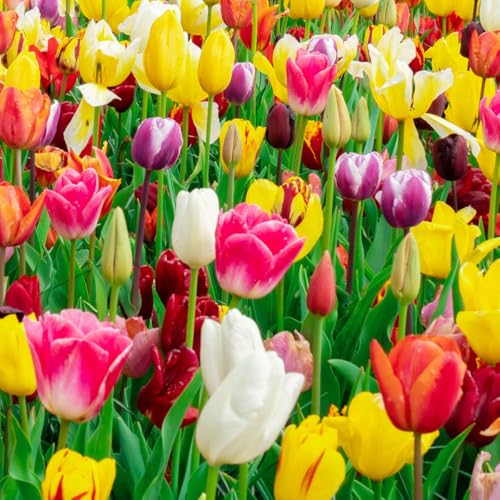
Spring Bulbs: A Complete Guide to Planting & Growing
Transform your garden into a vibrant spring paradise with expert advice on choosing, planting, and caring for bulbs like tulips, daffodils, and crocuses.
Discover Bulb VarietiesWhy Spring Bulbs? Spring-flowering bulbs are the easiest way to guarantee a burst of color after a long winter. They are low-maintenance, return year after year, and can be planted in borders, containers, and lawns. Whether you are a beginner or an experienced gardener, this guide will help you make the most of these resilient plants.
Understanding Spring Bulbs
Spring bulbs are geophytes—plants that store energy in underground structures. They include true bulbs (tulips, daffodils), corms (crocus), tubers (anemones), and rhizomes (lily of the valley). Each type has specific planting depth and care requirements, but all share a simple lifecycle: plant in autumn, grow in spring, and die back in summer.
The key to success is timing. Bulbs need a period of cold dormancy to trigger flowering. In warm climates, you may need to pre-chill bulbs in a refrigerator for 6–8 weeks before planting. For more information on preparing your garden beds, see our guide on DIY garden beds.
Top Spring Bulb Varieties
Tulips
The quintessential spring flower, tulips come in every color except true blue. They are available in early, mid, and late-season varieties, allowing you to extend the bloom period. For a naturalistic look, plant species tulips; for formal beds, choose hybrid Darwin or Triumph tulips.
Daffodils (Narcissus)
Deer-resistant and long-lived, daffodils are a must for low-maintenance gardens. Varieties range from tiny 'Tête-à-Tête' to bold 'King Alfred'. They naturalize well in lawns and under deciduous trees. Plant them where they can dry out after blooming.
Crocus
Among the earliest bloomers, crocuses appear while snow may still be on the ground. They are perfect for rock gardens, borders, and forcing indoors. Plant them in drifts for a carpet of color. They thrive in well-drained soil and full sun.
Hyacinths
Famous for their intense fragrance, hyacinths are ideal for containers and window boxes. Their dense flower spikes come in vivid shades of pink, blue, and white. Handle bulbs with gloves if you have sensitive skin, as they can cause irritation.
Alliums
These architectural beauties bloom in late spring to early summer, bridging the gap between bulbs and perennials. Their spherical flower heads add whimsy to borders. Alliums are drought-tolerant and deer-resistant, making them a smart choice for busy gardeners.
Fritillaria
From the dramatic crown imperial to the delicate snake's head fritillary, this genus offers unique shapes. Many fritillarias prefer moisture-retentive soil and partial shade. They are best planted in undisturbed spots where they can naturalize.
How to Plant Spring Bulbs
Planting depth is crucial: as a rule of thumb, plant bulbs at a depth equal to three times their height. For most tulips and daffodils, that means 6–8 inches (15–20 cm) deep. Space them about 3–4 inches apart. Always plant with the pointed end up, though most bulbs will right themselves if planted sideways.
Soil preparation is key. Bulbs rot in waterlogged soil, so ensure good drainage by adding compost or grit to heavy clay. If you are planting in containers, use a quality potting mix and ensure drainage holes. For raised beds, our guide on ideas for raised garden beds can help you design the perfect setup.
After planting, water thoroughly and mulch with leaf mold or bark chips to suppress weeds and retain moisture. Avoid high-nitrogen fertilizers, which encourage leaf growth at the expense of flowers. Instead, use bone meal or a low-nitrogen bulb fertilizer at planting time.
Caring for Spring Bulbs
Once bulbs emerge, keep the soil evenly moist but not soggy. After flowering, deadhead spent blooms to prevent seed formation, but leave the foliage to yellow naturally. The leaves produce energy for next year's flowers. Only remove foliage once it has turned brown and pulls away easily—usually 6–8 weeks after blooming.
For naturalized bulbs in lawns, delay mowing until the foliage dies back. If you need to tidy up, consider planting bulbs in dedicated beds or containers where the dying foliage can be hidden by perennials. Companion planting with late-emerging perennials like hostas or daylilies works well.
In regions with hot summers, lift and store bulbs that are not hardy. Allow them to dry in a warm, airy place, then store in mesh bags in a cool, dark location. For those in colder climates, a layer of mulch provides winter protection.
Designing with Spring Bulbs
Spring bulbs are versatile design elements. Use them in layers: plant early crocuses, mid-season tulips, and late alliums for continuous color. Combine bulbs with spring-blooming shrubs like forsythia or viburnum for a cohesive look. In containers, pair tall tulips with trailing violas for a dynamic display.
For a naturalistic meadow effect, toss a handful of bulbs and plant them where they land. This creates a random drift that looks more organic. Under deciduous trees, plant bulbs that bloom before the canopy leafs out, such as daffodils and scilla. Our article on container plants that attract butterflies and hummingbirds offers ideas for pollinator-friendly combinations.
Common Problems & Solutions
Bulbs Not Flowering
Often caused by insufficient sunlight, overcrowding, or planting too shallow. Ensure bulbs receive at least 6 hours of sun and divide clumps every 3–4 years. Avoid cutting foliage prematurely, as this prevents energy storage.
Rotting Bulbs
Overwatering or poorly drained soil leads to fungal rot. Improve drainage by adding grit or organic matter. Plant bulbs on a slight mound in containers to prevent waterlogging. Discard any soft or moldy bulbs before planting.
Pest Damage
Squirrels and deer may dig up or eat bulbs. Use chicken wire laid over the planting area, or try deer-resistant varieties like daffodils and alliums. Blood meal or garlic sprays can deter squirrels. For more pest-control tips, see our guide on home remedies to get rid of weeds in the yard (as pests often accompany weeds).
Blind Bulbs
Bulbs that produce leaves but no flowers are called "blind." This can be due to immature bulbs, pest damage, or stress from previous year. Plant large, firm bulbs and provide proper care; they may bloom the following year.
Frequently Asked Questions
When is the best time to plant spring bulbs?
Plant bulbs in autumn, when soil temperatures drop below 60°F (15°C). This gives them time to develop roots before winter. In mild climates, you can plant as late as December.
Can I plant bulbs in containers?
Yes, containers are perfect for bulbs, especially if you have limited space or poor soil. Use a well-draining mix and plant in layers for a succession of blooms. Containers can be moved to a visible spot when in flower.
Do I need to dig up bulbs every year?
Most spring bulbs are hardy and can be left in the ground year after year. Only lift tender varieties like gladiolus or dahlias (which are summer bulbs) in cold climates. If bulbs become overcrowded, divide them after foliage dies back.
How do I protect bulbs from animals?
Plant daffodils, alliums, and fritillarias, which are naturally repellent to deer and rodents. For tulips, use physical barriers like netting or plant them deeply. You can also try repellent sprays, though they require reapplication.
Further Reading
Expand your gardening knowledge with these related guides:
- Essential Gardening Tools for Bulb Planting – Discover the right tools to make planting easier.
- Compost Bins: Create Nutrient-Rich Soil for Bulbs – Learn how to improve soil fertility.
- Drip Irrigation Systems for Efficient Watering – Keep your bulbs hydrated without waste.
- Garden Sheds for Bulb Storage – Store bulbs and tools properly.
- Hostas: Perfect Companion Plants for Spring Bulbs – Hide dying foliage with lush perennials.