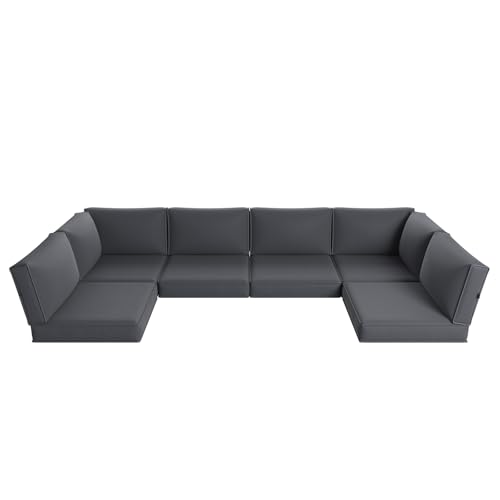
Cushions for Outdoor Furniture: The Complete Comfort & Style Guide
Transform your patio into a cozy retreat with the right outdoor cushions. Learn how to choose weather-resistant fabrics, perfect fits, and lasting comfort for every piece of your outdoor seating.
Why Outdoor Cushions Matter: A cushion for outdoor furniture is more than a decorative accent — it's the difference between a patio you admire from the window and one you actually use every day. The right cushion adds comfort, protects your furniture, and ties your entire outdoor living space together. This guide walks you through materials, sizing, care, and styling so you can buy with confidence.
Why the Right Cushion for Outdoor Furniture Makes All the Difference
Outdoor furniture frames are built to last, but the cushion is what you actually feel. A poorly chosen cushion can flatten after one season, retain water, or fade in the sun — while a quality cushion for outdoor furniture can deliver years of comfortable lounging. Understanding the three pillars of a great outdoor cushion — fabric, fill, and fit — will save you from costly replacements and keep your patio inviting season after season.
Whether you are refreshing an existing patio set or shopping for new pieces, this guide is designed for homeowners who already know they need cushions and want to make a smart, informed purchase. If you are still exploring broader patio upgrades, our high-back swivel rocker patio chairs with cushions guide can help you compare complete seating options.
Choosing the Best Fabric for Outdoor Cushions
The fabric is the first line of defense against sun, rain, and mildew. Modern outdoor cushion fabrics are engineered to resist fading, repel water, and stay breathable. Here is how the most common options compare:
Solution-Dyed Acrylic
Top-tier choice for colorfastness and UV resistance. The color is infused into the fiber, so it resists fading for years even in harsh sun. Soft to the touch and easy to clean.
Polyester (Spun or Woven)
Mid-range option that offers good durability and affordability. Look for solution-dyed or coated polyester for better fade and water resistance.
Olefin
Budget-friendly and naturally moisture-resistant. A solid entry-level choice for covered patios and occasional-use furniture.
Cotton Blends
Best reserved for covered or screened porches. Not ideal for full exposure — cotton absorbs water and fades faster than synthetic fabrics.
If you have existing furniture and simply want to refresh the look, custom replacement cushions for outdoor furniture let you match exact dimensions and upgrade fabric quality without replacing the frame.
Fill Materials: What Makes a Cushion Comfortable and Long-Lasting
The fill determines how a cushion feels on day one and how it holds up after a hundred sittings. Here's what to look for:
- High-density polyurethane foam — the standard for durability and support. Mid-range and premium cushions typically use densities that resist flattening.
- Memory foam or foam blends — deliver a plusher, contouring feel; usually found in top-tier cushions.
- Fiber fill (polyester batting) — offers a soft, "sink-in" feel but requires more fluffing and may compress over time.
- Wrapped foam cores — foam core with a fiber wrap; a good balance of support and softness.
- Quick-dry foam — open-cell foam that allows water to drain; a smart pick for uncovered patios.
As a rule of thumb, mid-range cushions usually offer a noticeably better foam density than entry-level models, and premium cushions tend to add moisture-wicking covers and faster-drying cores. If you plan to leave cushions out in the elements, prioritize drainage and quick-dry fills.
Getting the Fit Right: Sizing Your Outdoor Cushions
A cushion that is too small slides around; one that is too large bunches and strains seams. Measure the seat depth, width, and back height of your furniture, then add roughly half an inch to an inch for a snug, tailored look. For deep-seat loungers, consider a cushion with ties or a non-slip bottom to keep it in place.
Standard seat cushions range from about 20 to 25 inches in width, while deep-seat and sectional pieces may need wider options. When in doubt, measure twice and check the product's dimensions — many brands also offer custom sizing. If you are shopping for larger seating pieces, pairing your cushions with hammocks and swings or other outdoor seating can create a cohesive, comfortable lounge area.
Caring for Your Cushions: Keep Them Fresh and Lasting
Proper care adds years to any cushion for outdoor furniture. Follow these simple habits:
- Clean regularly: Brush off debris and spot-clean with mild soap and water. Avoid harsh bleach unless the fabric is specifically bleach-cleanable.
- Dry thoroughly: Stand cushions on edge after rain to let water drain and air circulate. Quick-dry foam helps here.
- Store during off-season: Use a deck storage box or bring cushions indoors during winter and heavy storms.
- Rotate cushions: Flip and rotate periodically to distribute wear and prevent uneven flattening.
- Use covers: Water-resistant covers protect cushions when furniture is not in use.
For broader outdoor living organization, our hose reels and storage and garden ornaments guides help you keep the whole patio tidy and welcoming.
Styling Your Outdoor Space with Cushions
Cushions are the easiest way to refresh your patio's palette without replacing furniture. Choose colors that harmonize with your home's exterior, and use pattern as an accent. Solid neutral cushions create a calm base, while striped or botanical prints add personality. Mix textures — a smooth acrylic seat cushion paired with a woven or textured throw pillow — to add visual depth.
Coordinate cushions with other outdoor elements like cantilever umbrellas for shade and bird baths and feeders to bring life to the space. A unified color story across cushions, shade, and accessories makes your patio feel intentional and designed.
Common Mistakes to Avoid When Buying Outdoor Cushions
- Choosing indoor fabric: Indoor upholstery absorbs water and mildews quickly outdoors.
- Ignoring fill quality: Cheaper fills flatten fast — check foam density or quick-dry claims.
- Skipping measurements: Always measure your furniture before ordering.
- Overlooking drainage: Cushions without drainage channels trap water and smell.
- Not planning storage: Have a storage plan before the off-season arrives.
If you're outfitting a full outdoor living area, explore our outdoor living hub for more inspiration on seating, shade, and storage.
Frequently Asked Questions About Cushions for Outdoor Furniture
What is the best fabric for outdoor furniture cushions?
Solution-dyed acrylic is widely considered the top choice for fade resistance and durability. Solution-dyed polyester is a strong mid-range alternative, while olefin is a budget-friendly entry-level option for covered spaces.
How often should I replace outdoor cushions?
With proper care, a quality cushion for outdoor furniture can last several seasons. Entry-level cushions may need replacement sooner, while premium solution-dyed acrylic cushions with high-density foam often last much longer. Store cushions during the off-season to extend life.
Can outdoor cushions be left in the rain?
Many outdoor cushions are water-resistant, not fully waterproof. Quick-dry foam and drainage-friendly covers help, but for heavy or prolonged rain, bring cushions inside or use a water-resistant cover.
How do I measure for replacement cushions?
Measure the seat width, seat depth, and back height of your furniture, then add roughly half an inch for a tailored fit. Check product specs carefully — custom replacement cushions are ideal when standard sizes do not fit.
Are memory foam cushions good for outdoor use?
Memory foam can be comfortable but may retain moisture unless specially treated. Look for memory foam blends designed for outdoor use, or pair memory foam with a quick-dry base layer.