Do You Need to Cut Dead Flowers Off Hydrangea?
Yes—but timing and technique matter. Learn exactly how and when to deadhead your hydrangea for bigger, more vibrant blooms season after season.
Quick Answer: Yes, you should cut dead flowers off hydrangea (deadheading). However, the best time depends on your hydrangea type. For most varieties, deadheading in late summer or early fall encourages new growth and more flowers next year. But be careful—some hydrangeas set buds on old wood, so pruning at the wrong time can reduce next season’s blooms.
Why Deadheading Hydrangeas Matters
Removing spent blooms—called deadheading—is one of the simplest ways to keep your hydrangeas healthy and prolific. It redirects energy from seed production to root and foliage development, resulting in larger, more colorful flowers in the following season. Deadheading also improves the plant’s overall appearance by removing brown, withered flower heads that can make your garden look neglected.
But when and how you cut depends on whether your hydrangea blooms on old wood (last year’s stems) or new wood (this year’s growth). Understanding this distinction is key to avoiding the common mistake of cutting off next year’s flower buds. Learn more about the best time to prune hydrangea bushes to ensure you’re not sacrificing future blooms.
Hydrangea Types & When to Deadhead
Not all hydrangeas are the same. Use this quick reference to determine the best deadheading approach for your specific variety.
| Hydrangea Type | Blooms On | Best Time to Deadhead | Notes |
|---|---|---|---|
| Bigleaf (H. macrophylla) | Old wood | Late summer (before August) | Cut just above the first set of healthy leaves below the flower. |
| Panicle (H. paniculata) | New wood | Late winter or early spring | Can be cut back hard; deadhead anytime after flowering. |
| Smooth (H. arborescens) | New wood | Late winter or early spring | Deadhead in fall or leave dried blooms for winter interest. |
| Oakleaf (H. quercifolia) | Old wood | Right after flowering (summer) | Minimal deadheading; avoid pruning in spring. |
| Climbing (H. anomala) | Old wood | After flowering | Only deadhead if necessary; shape in summer. |
If you’re unsure which type you have, observe when your hydrangea blooms. Varieties that flower on old wood produce buds in late summer/fall of the previous year. Those that bloom on new wood form buds in spring on fresh growth. For detailed guidance, check our article on whether to cut back hydrangeas in fall or spring.
How to Cut Dead Flowers Off Hydrangea (Step-by-Step)
Follow these simple steps to deadhead your hydrangea safely and effectively.
- 1. Identify the right time: For old-wood bloomers, deadhead immediately after flowering (by late summer). For new-wood bloomers, you can deadhead anytime after the flowers fade, even in fall or early spring.
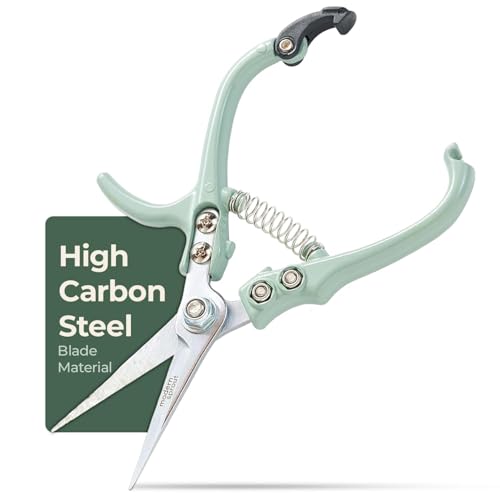
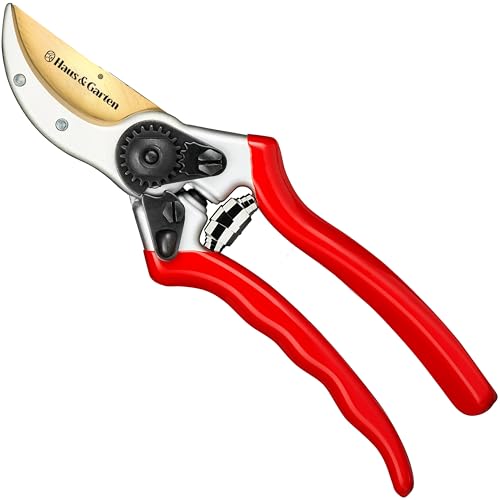
- 2. Use clean, sharp pruners: Sterilize your pruning shears with rubbing alcohol to prevent disease spread. Sharp tools make clean cuts that heal faster.
- 3. Cut above a healthy node: Locate the first set of healthy leaves or buds below the dead flower head. Make your cut about ¼ inch above that node at a 45° angle to direct water away from the cut.
- 4. Remove only the spent bloom: For old-wood hydrangeas, avoid cutting into the woody stems—this could remove next year’s flower buds. For new-wood types, you can be more aggressive.
- 5. Clean up debris: Remove the dead flower heads from the garden to prevent fungal issues and keep your garden tidy.
If you’re still uncertain about the process, read our detailed guide on pruning hydrangea bushes in spring for visual explanations and additional tips.
Common Deadheading Mistakes to Avoid
- Pruning too late in the season: Cutting old-wood hydrangeas in fall or spring can remove flower buds. Stick to the recommended timing.
- Cutting too far down the stem: Always cut just above a healthy node. Leaving a long bare stem can weaken the plant.
- Using dull tools: Ragged cuts invite disease. Invest in quality pruners and keep them sharp.
- Not cleaning pruners between plants: This spreads bacteria and fungi. A quick wipe with alcohol is essential.
- Forgetting to water after pruning: A good drink helps the plant recover and reduces stress.
For more pruning wisdom, explore our guide on how to prune tomato plants—many of the same principles apply to hydrangea care.
3 Big Benefits of Deadheading Hydrangeas
🌿 Healthier Plant
Removing spent blooms prevents the plant from wasting energy on seed production, redirecting it to root and foliage strength.
🌸 More Flowers
Deadheading encourages the plant to produce more flower buds for the next season, resulting in a more spectacular bloom display.
✨ Improved Appearance
A clean, tidy shrub with fresh green foliage looks far more attractive than one dotted with brown, crispy flower heads.
If you’re also growing roses or lavender, deadheading applies there too—read our spring rose care guide to keep all your flowering plants thriving.
Frequently Asked Questions
Ready to Give Your Hydrangeas the Best Care?
With the right deadheading techniques, your hydrangeas will reward you with stunning blooms year after year. Explore our full library of plant care guides to become a confident gardener.
Explore More Gardening Tips