Should Hydrangeas Be Cut Back in the Fall or Spring?
Master the art of pruning hydrangeas! Learn the right timing for your specific variety to ensure vibrant blooms year after year.
Discover the Best Time to PruneOne of the most common questions among gardeners is should hydrangeas be cut back in the fall or spring? The answer depends entirely on the type of hydrangea you're growing. Pruning at the wrong time can mean sacrificing next year's blooms, so it's essential to understand your plant's blooming habits.
💡 Quick Tip: Before you prune, identify your hydrangea type. The best time to prune a hydrangea bush varies, and knowing your variety is the key to success.
Why Timing Matters for Hydrangea Pruning
Hydrangeas bloom on either old wood (growth from the previous year) or new wood (growth from the current season). Cutting back hydrangeas in fall is ideal for varieties that bloom on new wood, while spring pruning is better suited for old-wood bloomers. Pruning at the wrong time can remove flower buds and reduce or eliminate blooms for the entire season.
If you're unsure about your hydrangea type, observe when it blooms. Varieties that flower in early summer typically bloom on old wood, while those that bloom later in the season (July onwards) often bloom on new wood. For a detailed guide, check out our article on when is a good time to cut back hydrangeas.
When to Cut Back Hydrangeas: Fall vs. Spring
Hydrangeas to Prune in Fall
Fall pruning is best for hydrangeas that bloom on new wood, such as Panicle (Hydrangea paniculata) and Smooth (Hydrangea arborescens) varieties. These types produce blooms on stems that grow in the current season, so you can cut them back in late fall or early winter without affecting next year's flowers.
- Panicle Hydrangeas (e.g., Limelight, Pinky Winky): Prune in late fall or early spring before new growth begins. You can cut them back quite hard to maintain shape and encourage larger blooms.
- Smooth Hydrangeas (e.g., Annabelle): Cut back in late fall or winter to the ground or to a few inches above the soil. This promotes strong new growth and abundant summer flowers.
For these varieties, fall pruning is also a great time to remove dead flowers and shape the plant without worrying about losing blooms.
Hydrangeas to Prune in Spring
Bigleaf (Hydrangea macrophylla) and Oakleaf (Hydrangea quercifolia) hydrangeas bloom on old wood. These varieties set their flower buds in late summer and fall, which means pruning them in fall or winter would remove those buds. The ideal time to prune these types is in early spring, just as new growth begins.
- Bigleaf Hydrangeas (e.g., Endless Summer, Nikko Blue): Prune in early spring, removing only dead or weak stems. Avoid heavy pruning, as it can reduce blooms.
- Oakleaf Hydrangeas: Prune lightly in spring after the threat of frost has passed. Focus on removing spent blooms and shaping the plant.
If you're uncertain, a good rule of thumb is to cut off dead flowers in spring and wait to see new growth before making major cuts.
⚠️ Important: If you prune old-wood hydrangeas in fall, you may lose next year's flowers. Instead, wait until spring to prune, and only remove dead or damaged wood.
How to Prune Hydrangeas for Maximum Blooms
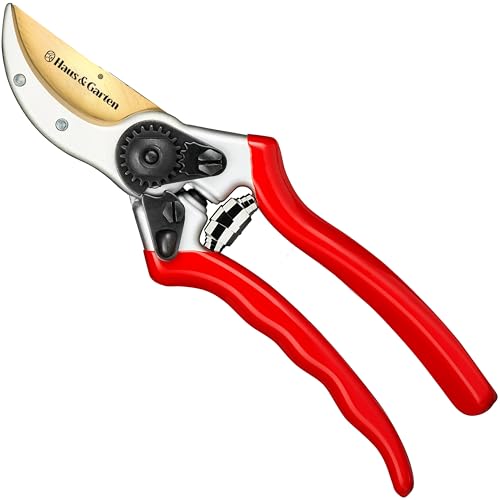
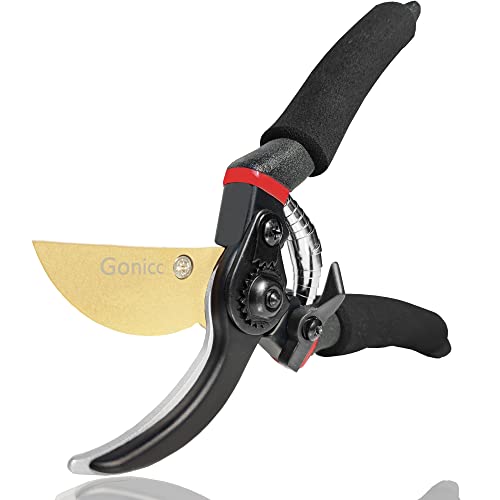
Regardless of when you prune, proper technique is essential. Use sharp, clean pruners to make clean cuts at a 45-degree angle just above a set of healthy buds. Remove dead, damaged, or crossing branches first, then shape the plant as needed.
For old-wood bloomers, consider using the "deadhead" method by cutting just above the first pair of healthy buds below the spent flower. This encourages new growth without sacrificing blooms.
For new-wood bloomers, you can be more aggressive. Cutting back panicle hydrangeas to 12-18 inches in late winter promotes larger flowers and a stronger structure. Learn more about how to prune a hydrangea bush in the spring for optimal results.
Common Questions About Hydrangea Pruning
Can I cut back hydrangeas in the fall if they bloom on old wood?
It's not recommended. If you cut back old-wood bloomers in fall, you'll remove the flower buds that have already formed. Instead, prune them in early spring, and only remove dead or weak stems. For more details, read our guide on when it's too late to cut back hydrangeas.
What if I already cut my hydrangea back in the fall?
Don't panic! If you accidentally pruned an old-wood bloomer in fall, you may have fewer blooms next summer. However, the plant will likely recover and produce new growth. Focus on proper care, including watering and fertilizing, to support new bud development.
Do I need to cut back hydrangeas every year?
Not all hydrangeas need annual pruning. Old-wood bloomers may only need occasional light pruning to remove dead wood and maintain shape. New-wood bloomers benefit from more regular pruning to encourage vigorous growth and larger blooms.
For additional guidance, explore our comprehensive article on whether you should cut back your hydrangeas in the spring to keep your garden looking its best.