Should I Cut Back My Hydrangeas in the Spring?
Yes, but it depends on the variety. Learn the exact timing and technique to prune hydrangeas for bigger, more abundant blooms every season.
Let gardening be your guide. If you're staring at your hydrangea bush this spring wondering, "Should I cut this back?" – you're not alone. Spring pruning is one of the most confusing tasks for gardeners because the answer depends entirely on the type of hydrangea you have. The wrong cut can cost you an entire season of blooms.
But here's the good news: once you understand the basics, spring pruning becomes simple and rewarding. In this comprehensive guide, we'll walk you through exactly when to prune, how to do it, and which hydrangeas benefit from a spring trim. By the end, you'll have the confidence to make the right cut and enjoy a spectacular floral display.
The Golden Rule: Know Your Hydrangea Type
The single most important factor in deciding whether to prune in spring is whether your hydrangea blooms on old wood (last year's growth) or new wood (this year's growth). Here's the simple breakdown:
| Blooms On | Hydrangea Varieties | Spring Pruning? |
|---|---|---|
| Old Wood | Hydrangea macrophylla (Bigleaf / Mophead / Lacecap), Hydrangea serrata, Hydrangea quercifolia (Oakleaf) | Minimal – only remove dead or weak stems |
| New Wood | Hydrangea paniculata (Panicle / Peegee), Hydrangea arborescens (Smooth / Annabelle) | Yes – cut back by 1/3 to 2/3 of total height |
🌸 Quick Tip: Identify Your Hydrangea
If your hydrangea has large, round flower heads and blooms in early summer (June–July), it likely blooms on old wood. If it has cone-shaped flower heads and blooms later (July–September), it blooms on new wood. When in doubt, skip pruning and observe its blooming pattern this year.
Spring Pruning for Old Wood Hydrangeas (Macrophylla, Serrata, Oakleaf)
For these varieties, the flower buds for the upcoming season were already formed in late summer and fall of the previous year. If you cut them back in spring, you'll be removing those buds and losing your bloom display. So, should you cut them back in spring? Only in a very limited way.
What to Do in Spring:
- Remove dead wood: Cut out any stems that are brittle, brown, and show no signs of green growth. Use clean, sharp pruners.
- Thin weak stems: If your bush is very dense, you can remove some of the thinnest, spindly stems to improve airflow.
- Never cut back the entire plant: Avoid shaping or reducing the overall size in spring. This is the most common mistake that leads to "no bloom" seasons.
When to do it? Wait until the new growth begins to emerge (usually when the leaf buds start to swell). This helps you identify which parts are alive and which are dead. Learn more about the exact timing for hydrangea pruning in spring.
Spring Pruning for New Wood Hydrangeas (Paniculata, Arborescens)
These hydrangeas produce their flower buds on new growth that emerges in the spring. Spring is actually the best time to cut them back – and they benefit from a strong annual trim. A hard prune encourages larger, more vigorous blooms.
How to Prune in Spring:
- Cut back by 1/3 to 2/3: For most panicle hydrangeas (e.g., 'Limelight'), you can cut stems back to about 12–18 inches from the ground. For smooth hydrangeas (e.g., 'Annabelle'), you can cut them to 6–12 inches.
- Make clean cuts: Cut just above a pair of healthy buds, at a 45-degree angle.
- Remove weak or crossing branches: This improves airflow and shape.
This type of pruning actually encourages more flowers because the plant will redirect its energy into producing strong new shoots with large flower heads. Do you need to remove dead flowers first? Yes, remove any remaining spent blooms to make room for new growth.
✂️ Pruning Cheat Sheet
- Old wood (spring): Only remove dead/damaged stems.
- New wood (spring): Cut back hard by 1/3 to 2/3.
- Renovation: For overgrown shrubs, consider a 3-year gradual renewal plan.
5 Common Spring Hydrangea Pruning Mistakes
- Pruning all hydrangeas the same way: The biggest mistake. Always identify your variety first.
- Pruning too early in spring: Wait until you see green buds. Pruning during a late frost can damage new growth.
- Leaving dead wood: Dead wood doesn't produce flowers and can harbor diseases. Remove it promptly.
- Using dull or dirty tools: Clean, sharp pruners make clean cuts that heal faster and reduce disease risk.
- Not cutting at all (for new wood types): Failing to prune new-wood hydrangeas leads to smaller flowers and a leggy plant.
If you're still uncertain, a good rule of thumb is to prune only what you need to the first year and see how the plant responds. Over time, you'll learn the habits of your specific hydrangea. For more guidance, check our detailed guide on the best time to prune hydrangeas.
When Is the Best Time to Cut Back Hydrangeas in Spring?
Timing is critical. The ideal window is when the leaf buds begin to swell but before the leaves fully unfurl. This varies by region:
- Warm climates (USDA zones 7–9): Late February to early March.
- Moderate climates (zones 5–6): Mid-March to early April.
- Cool climates (zones 3–4): Late April to early May.
If you prune too early, a late frost can damage the new growth. If you prune too late, you risk cutting off developing flower buds (for old-wood types). Find out when it's too late to cut back hydrangeas to avoid missing the window.
Step-by-Step: How to Prune Hydrangeas in Spring
Step 1: Inspect Your Plant
Look at the buds on the stems. Are they swollen and green? That's a sign of life. If they are shriveled and brown, that stem is dead.
Step 2: Identify the Variety (Old vs. New Wood)
If you don't know, wait for a full season to observe its bloom time and habit. This is a low-maintenance way to avoid mistakes.
Step 3: Gather Your Tools
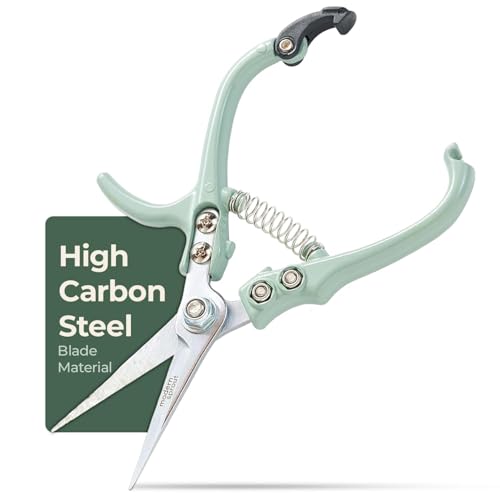
- Sharp, clean pruners (bypass pruners work best).
- Lopping shears for thicker branches (over ½ inch).
- Gardening gloves to protect your hands.
Step 4: Prune Accordingly
- Old wood: Cut dead stems at the base, thin a few weak shoots, but leave the main structure intact.
- New wood: Cut back stems to a strong pair of buds, reducing overall height by up to 2/3.
- Shaping: Always cut to a bud that faces outward to encourage an open, airy shape.
Step 5: Clean Up and Mulch
Remove all clippings from the area to prevent disease. Apply a 2–3 inch layer of compost or organic mulch to retain moisture and suppress weeds. For more on weed control, see our guide on natural weed removal for lawns and beds.
After Pruning: Care for a Strong Bloom Season
Post-pruning care is just as important as the cut itself. Here's what to do next:
- Water deeply: After pruning, give your hydrangea a good soak to help it recover.
- Fertilize with a balanced fertilizer: Use a slow-release formula (like 10-10-10) to support new growth.
- Monitor for pests: Check for aphids or powdery mildew, especially on new growth.
With the right care, you'll be rewarded with an abundance of blooms. If your hydrangea is struggling, you might also want to explore how to manage grass and weeds in flower beds that compete for nutrients.
FAQs About Spring Hydrangea Pruning
Can I cut back my hydrangea in spring if it didn't bloom last year?
Yes, but first determine why. If it's an old-wood type that was previously pruned incorrectly, it may have been cut back too hard. For new-wood types, a spring prune will likely improve blooming. Similar principles apply to other shrubs like roses.
Should I cut off the old flower heads in spring?
Yes! Removing the spent flower heads (deadheading) is a good practice. It cleans up the plant and allows energy to go to new growth. For old-wood types, leave the flower head on the stem but cut just below the bloom.
Will my hydrangea grow back if I cut it to the ground?
For new-wood varieties (like 'Annabelle'), yes – they'll regrow strong and bloom that same year. For old-wood varieties, cutting to the ground will mean no blooms for 1–2 years while it recovers. Avoid this unless it's a rejuvenation project.
Let Gardening Tip: Don't be afraid to experiment. Hydrangeas are resilient plants. If you make a mistake, your plant will likely forgive you – and you'll learn for next season!
So, Should You Cut Back Hydrangeas in Spring?
The final answer: It depends on your variety. For new-wood hydrangeas (Paniculata and Arborescens), an assertive spring pruning is highly recommended for the best blooms. For old-wood hydrangeas (Macrophylla, Serrata, Oakleaf), limit your spring pruning to removing only dead or damaged wood.
Remember, the goal is to encourage healthy growth and maximize flowering. When in doubt, observe your plant's natural habit and take a "less is more" approach. Your hydrangea will thank you with a stunning display of flowers that can be enjoyed all summer long.
Ready to get started? Grab your pruners, identify your hydrangea type, and give it the attention it deserves. And if you're looking for the right tools, check out our recommendations below.