When Is It Too Late To Cut Back Hydrangeas?
Master the timing of hydrangea pruning to ensure vibrant blooms year after year. Our comprehensive guide reveals the exact window for cutting back hydrangeas without sacrificing flower production.
JUMP TO PRUNING GUIDEUnderstanding Hydrangea Pruning Timing
Pruning hydrangeas at the wrong time is one of the most common mistakes gardeners make. The question “when is it too late to cut back hydrangeas?” depends entirely on the type of hydrangea you're growing. Some bloom on old wood (last year's growth), while others bloom on new wood (this year's growth). Cut back old-wood bloomers too late, and you'll cut off next year's flower buds.
💡 Key Takeaway: For most hydrangeas, the pruning window closes in late summer or early fall. Pruning after August is generally too late for old-wood varieties, while new-wood bloomers can be pruned in late winter or early spring.
Types of Hydrangeas and Their Pruning Windows
| Hydrangea Type | Blooms On | Best Pruning Time | Too Late If After |
|---|---|---|---|
| Bigleaf (Macrophylla) | Old Wood | Immediately after flowering (summer) | August 1st |
| Oakleaf (Quercifolia) | Old Wood | Immediately after flowering | August 1st |
| Panicle (Paniculata) | New Wood | Late winter / early spring | Mid-spring (after growth starts) |
| Smooth (Arborescens) | New Wood | Late winter / early spring | Mid-spring (after growth starts) |
| Climbing (Anomala) | Old Wood | Immediately after flowering | August 1st |
Understanding these categories is crucial. If you have a Bigleaf hydrangea and you prune it in October, you're likely removing the buds that would have produced flowers the following spring. That's why it's essential to learn how to prune a hydrangea bush in the spring or right after blooming, depending on the variety.
Signs It's Too Late to Prune
How can you tell if you've missed the window? Here are clear indicators that it's too late to cut back your hydrangeas:
- New buds are already forming: If you see plump, green buds on the stems, cutting now will remove them.
- Late summer/early fall: For old-wood bloomers, any pruning after mid-July is risky. The plants are setting buds for next year.
- Cold weather is approaching: Pruning stimulates new growth. If that new growth doesn't have time to harden before frost, it can be damaged.
If you're unsure, it's always safer to wait. You can still decide whether hydrangeas should be cut back in the fall or spring based on your specific variety.
What Happens If You Prune Too Late?
Pruning too late can have several negative consequences:
- No blooms next season: This is the most common result for old-wood hydrangeas. You'll have a lush, green plant with no flowers.
- Reduced hardiness: New growth stimulated by late pruning may not survive winter, weakening the plant.
- Increased disease risk: Open pruning cuts in warm, wet weather can invite fungal diseases.
If you've already pruned late, don't panic. The plant will survive, but you may need to cut dead flowers off hydrangea and focus on providing excellent care to help it recover.
Best Practices for Hydrangea Pruning
To avoid the "too late" problem, follow these best practices:
- Identify your hydrangea type: If you don't know, observe when it blooms. Spring bloomers are on old wood.
- Prune right after flowering: For old-wood types, prune immediately after the blooms fade.
- Prune in late winter for new-wood types: Cut back Panicle and Smooth hydrangeas in late winter or early spring, just as new growth begins.
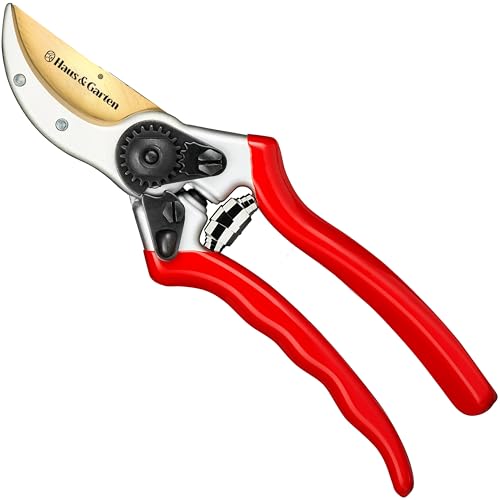
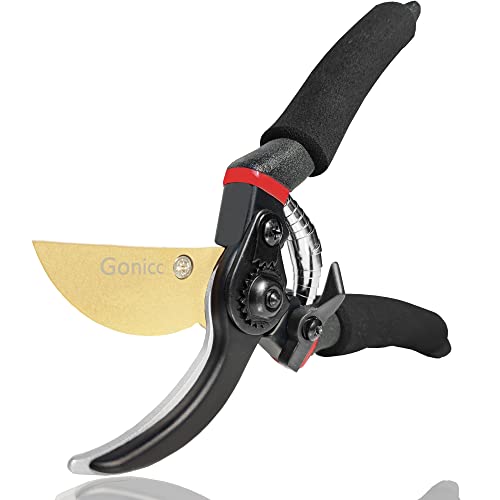
- Use clean, sharp tools: Always use sterilized pruners to prevent disease.
For more detailed guidance, check out our article on when is the best time to prune a hydrangea bush, which covers all the nuances.
Pruning Hydrangeas: A Seasonal Guide
To help you visualize the ideal pruning timeline, here's a simple seasonal breakdown:
- Spring: Ideal for new-wood bloomers (Panicle, Smooth). For old-wood types, only remove dead or damaged stems.
- Early Summer: Old-wood types are blooming. Remove spent blooms to encourage more flowers.
- Mid-Late Summer: This is the last chance to prune old-wood hydrangeas. After July, stop pruning.
- Fall/Winter: Avoid all pruning, except for removing dead wood on new-wood types in late winter.
If you're planning to shape your hydrangea, learn how to cut back hydrangeas in the spring to maintain their shape without harming future blooms.
Frequently Asked Questions About Hydrangea Pruning
Can I cut my hydrangea to the ground?
Only for new-wood types like Panicle and Smooth hydrangeas. Cutting them to the ground in late winter will result in vigorous growth and large blooms. For old-wood types, never cut to the ground.
Should I deadhead my hydrangeas?
Yes, deadheading (removing spent flowers) is beneficial for all types. It encourages new blooms and keeps the plant tidy. However, stop deadheading in late summer so the plant can set buds for next year.
How do I know if my hydrangea blooms on old wood?
If your hydrangea blooms in spring or early summer, it's likely on old wood. Common old-wood bloomers include Bigleaf, Oakleaf, and Climbing hydrangeas.
For more information on caring for your hydrangeas throughout the season, explore our guide on when is the best time to cut hydrangea flowers for arrangements.
Let Gardening Expert Advice: The golden rule of hydrangea pruning is "know your type." If you're unsure, observe your plant for one season. When it blooms will tell you everything you need to know about the right pruning time. When in doubt, prune in late winter only for new-wood hydrangeas, and immediately after flowering for old-wood types.