When Is the Best Time to Cut Hydrangea Flowers
Master the art of cutting hydrangeas for gorgeous fresh bouquets, long-lasting dried arrangements, and healthier plants. Timing is everything — here’s your complete guide.
Jump to Cutting GuideLet gardening guide you to the perfect bloom. Hydrangeas are beloved for their enormous, showy flower heads that bring color and charm to any garden. But knowing when to cut hydrangea flowers can make the difference between a short-lived vase display and a stunning arrangement that lasts for weeks — or even years as dried decor.
Whether you're cutting for a fresh bouquet, drying for winter arrangements, or simply pruning to encourage next season's growth, this guide covers everything you need to know about the ideal timing, techniques, and care for your hydrangea blooms.
🌿 The Short Answer: The best time to cut hydrangea flowers depends on your goal:
- For fresh bouquets: Cut in the early morning when blooms are fully open but still firm, typically from mid-summer to early fall (July – September).
- For drying: Cut when blooms are mature and papery, usually in late summer to early autumn (August – October), before the first frost.
- For plant health / pruning: Prune after flowering for most varieties, but timing depends on whether your hydrangea blooms on old wood or new wood.
Understanding Hydrangea Bloom Cycles
Before you grab your pruning shears, it's essential to understand your hydrangea's blooming habit. The two main categories are:
- Old wood bloomers (e.g., Hydrangea macrophylla – bigleaf, mophead, lacecap): These set their flower buds in late summer/fall of the previous year. Cutting them at the wrong time can remove next year's blooms. Learn more about pruning old-wood hydrangeas.
- New wood bloomers (e.g., Hydrangea paniculata – panicle, and H. arborescens – smooth): These produce flowers on the current season's growth. They are more forgiving and can be pruned in late winter or early spring. Read about spring pruning for new-wood hydrangeas.
Identifying your hydrangea type is the first step to cutting at the right time. If you're unsure, observe when your plant blooms: if it flowers early in the season (June–July), it's likely an old-wood bloomer; if it blooms later (August–October), it's probably a new-wood variety. For more detailed identification, check our complete hydrangea care guide.
Best Time to Cut for Fresh Bouquets
For the most beautiful, long-lasting cut flowers, timing and technique are crucial. Here’s what you need to know:
- Time of Day: Cut in the early morning after the dew has dried but before the sun gets hot. This is when stems are fully hydrated and blooms are at their freshest.
- Stage of Bloom: Choose flowers that are fully open but still firm to the touch. Avoid blooms that are wilting or browning at the edges. The petals should feel slightly leathery, not limp.
- Seasonal Timing: For most hydrangeas, the prime cutting window is mid-summer through early fall (July – September). In warmer climates, you may have blooms into October.
- Weather: Avoid cutting after heavy rain or during extreme heat. Overly wet or stressed flowers will wilt quickly.
💧 Pro Tip: To maximize vase life, immediately place cut stems in lukewarm water. Many gardeners also recommend dipping the cut end in boiling water for 30 seconds (or using alum powder) to help the stem draw water more efficiently. This is especially helpful for bigleaf hydrangeas, which tend to wilt faster. See our tips for deadheading and maintaining cut hydrangeas.
Fresh-cut hydrangeas typically last 5–10 days in a vase with proper care. Change the water every 2–3 days, recut the stems at an angle, and mist the petals to keep them hydrated.
For those who love to create stunning floral arrangements, pairing hydrangeas with calla lilies or hibiscus can add texture and contrast.
When to Cut for Drying & Preserving
Dried hydrangeas are a favorite for rustic, long-lasting decor. The secret to perfect dried blooms is cutting them at exactly the right maturity:
- Ideal Timing: Wait until the flowers are mature and have a papery texture. This usually occurs in late summer to early autumn (August – October), just before the first frost. The petals will feel crisp and dry to the touch, and the colors may have faded to antique shades of pink, blue, or green.
- Signs of Readiness: The bloom's color will shift from vibrant to a muted, vintage tone. The petals will feel dry and rustle slightly when touched. If you squeeze a petal gently, it should not feel moist or spongy.
- Water Method: Many experts recommend cutting the stems and placing them in a small amount of water (about 1–2 inches) and letting the water evaporate slowly. As the water dries up, the blooms will dry naturally, maintaining better shape and color.
- Air Drying: Alternatively, you can hang stems upside down in a cool, dark, dry place with good air circulation. This method is effective but may take 2–4 weeks.
⏳ Patience Pays: The longer you leave the blooms on the plant, the better they dry. However, if you wait too long (after frost or heavy rain), they may become damaged. Aim for the sweet spot – when blooms are fully mature but still intact.
Dried hydrangeas can last for months or even years with proper care. Keep them away from direct sunlight and humidity to preserve their color and structure. For more creative uses, combine dried hydrangeas with forget-me-nots or other dried flowers in wreaths and centerpieces.
Pruning vs. Cutting: Know the Difference
Cutting for Bouquets
This is a light harvest of blooms for indoor enjoyment. It doesn’t significantly affect plant shape or future flowering, as long as you follow the timing guidelines above.
- Use sharp, clean pruners.
- Cut stems at a 45° angle.
- Remove only the number of blooms you need.
- Leave enough foliage and stems for the plant to photosynthesize.
Pruning for Plant Health
Pruning involves removing stems, dead wood, or spent blooms to shape the plant, encourage growth, and improve flowering for the next season.
- For old-wood bloomers: prune immediately after flowering (summer).
- For new-wood bloomers: prune in late winter or early spring.
- Always remove dead or crossing branches.
- Don't prune more than 1/3 of the plant at a time.
Cutting flowers for bouquets is a form of light pruning, but heavy pruning for size control or rejuvenation requires more careful timing. Check our spring pruning guide for hydrangeas and when it's too late to cut back for detailed seasonal advice.
Common Cutting Mistakes & FAQs
❌ Cutting too late in the season: If you cut flowers too close to frost, the stems may not have enough time to heal, and the plant may be more susceptible to winter damage. Learn about the optimal seasonal window.
❌ Cutting too early: Blooms cut before they are fully mature may wilt quickly and won't last in a vase or dry well. Patience is key.
❌ Not using clean tools: Dirty pruners can introduce diseases. Always sterilize your cutting tools with rubbing alcohol before and after use.
❌ Cutting on a hot afternoon: Stems are stressed and dehydrated, leading to rapid wilting. Always cut in the morning.
💬 Quick FAQ:
- Can I cut hydrangea flowers after they turn brown? Yes, for dried arrangements. Brown, papery blooms are ideal for drying.
- Will cutting flowers encourage more blooms? For some reblooming varieties, deadheading (removing spent blooms) can encourage a second flush. Read about deadheading hydrangeas.
- What's the best way to revive wilted cut hydrangeas? Recut the stems, dip them in boiling water for 30 seconds, then place in cold water. They often perk up in a few hours.
- Can I cut hydrangea flowers for a wedding bouquet? Yes! Plan to cut 1–2 days before your event and keep them in water in a cool place. Avoid cutting more than 2–3 weeks before the wedding.
Essential Tools for Cutting Hydrangeas
Having the right tools makes all the difference. Here are the essentials for cutting hydrangea flowers like a pro:
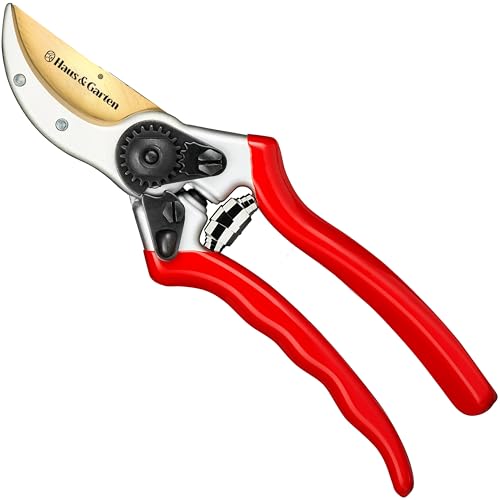
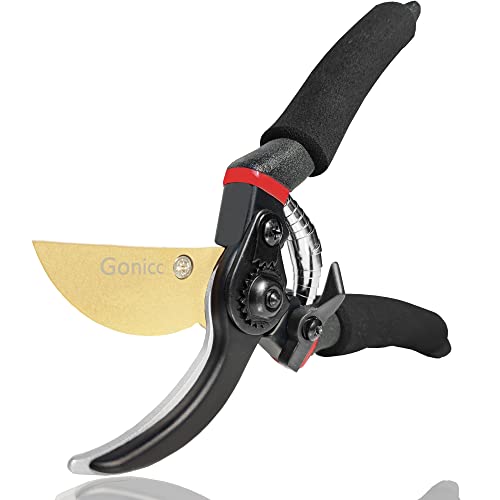
- Bypass Pruners / Sharp Shears: A clean, sharp cut prevents crushing the stem. Look for high-quality pruners with replaceable blades.
- Long Vase or Bucket: Have a container ready with lukewarm water to place stems immediately after cutting.
- Floral Preservative (optional): Helps extend vase life. You can also use homemade solutions (sugar + lemon juice + bleach).
- Rubber Gloves: Some hydrangea sap can be irritating to the skin.
For those looking to upgrade their gardening toolkit, we've curated a selection of recommended pruning tools and supplies below.
⚠️ AFFILIATE DISCLOSURE: This website contains affiliate links. As an Amazon Associate, we earn from qualifying purchases. If you make a purchase through these links, we may receive a small commission at no additional cost to you. Read our full affiliate policy.