How to Cut Back Hydrangeas in Spring
Master the art of spring pruning for healthier plants and spectacular blooms.
Why spring pruning matters: Cutting back your hydrangeas at the right time and in the right way encourages vigorous new growth, larger flower heads, and a tidy shape. But the method depends on your hydrangea type — and getting it wrong can mean no flowers at all. This guide breaks down exactly how do you cut back hydrangeas in the spring, with step-by-step instructions for every popular variety.
1. Identify Your Hydrangea Type First
Before you grab your pruners, you need to know whether your hydrangea blooms on old wood (last year’s stems) or new wood (this year’s growth). This single fact determines your entire pruning strategy.
| Hydrangea Type | Blooms On | Spring Pruning Action |
|---|---|---|
| Bigleaf (Hydrangea macrophylla) | Old wood | Only remove dead wood; minimal cutting |
| Panicle (Hydrangea paniculata) | New wood | Cut back hard (by ⅓ to ½) |
| Smooth (Hydrangea arborescens) | New wood | Cut back to 12–18 inches |
| Oakleaf (Hydrangea quercifolia) | Old wood | Light pruning only; remove damaged stems |
| Climbing (Hydrangea petiolaris) | Old wood | Minimal; just tidy up |
If you're unsure, observe your plant: if it flowered last summer, those stems are old wood. The safest approach for unknown varieties is to prune lightly and see what happens — you can always cut more next year.
2. Step-by-Step Spring Pruning Guide
Once you've identified your hydrangea type, follow these universal steps for a successful spring cut-back.
- Step 1: Timing — Prune in early spring, just as new buds begin to swell but before leaves fully emerge. This usually means March to early April, depending on your climate. Avoid pruning in late spring or summer, as you'll remove developing flower buds.
- Step 2: Remove dead wood — Cut out any brittle, dark, or obviously dead stems down to the base. This improves airflow and reduces disease risk.
- Step 3: Cut out weak/crossing stems — Remove thin, spindly shoots and any branches that rub against each other. Aim for an open, vase-like structure.
- Step 4: For new-wood bloomers (Panicle & Smooth) — Cut back the remaining healthy stems by ⅓ to ½ their height, making cuts just above a set of healthy buds. This encourages strong new shoots that will bear large flowers.
- Step 5: For old-wood bloomers (Bigleaf, Oakleaf) — Limit pruning to removing dead or damaged branches. If you need to shape the plant, do it immediately after flowering in summer, not in spring.
- Step 6: Clean up — Remove all pruned material from the base to prevent pests and diseases. Add a layer of compost or slow-release fertilizer to support new growth.
Pro Tip: For bigleaf hydrangeas that have been damaged by winter frost, wait until new growth appears to assess what's alive. Then cut back dead stems to the first live bud.
3. 3 Common Spring Pruning Mistakes
❌ Cutting everything to the ground
This works for panicle and smooth hydrangeas, but it's a disaster for bigleaf and oakleaf varieties, which bloom on old wood. You'll lose an entire season of flowers.
❌ Pruning too late in spring
Once leaves are fully out, the plant has already invested energy into those stems. Late pruning stresses the plant and may remove forming buds.
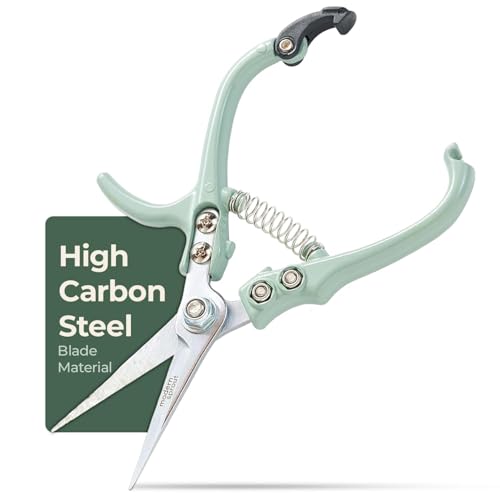
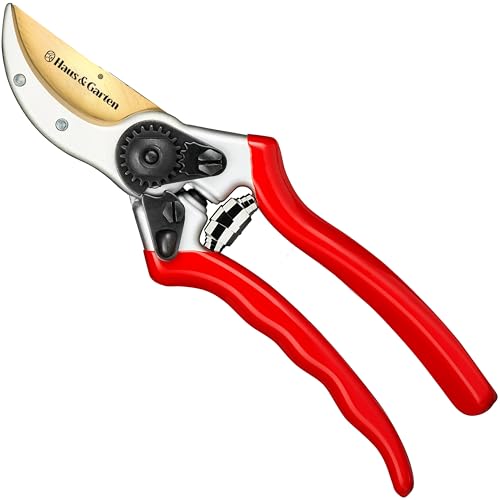
❌ Using dull or dirty pruners
Dull blades crush stems, inviting disease. Always clean and sharpen your tools before each pruning session.
4. Aftercare: Help Your Hydrangea Thrive
Pruning is just the first step. To get the most out of your spring cut-back, follow up with these simple care practices:
- Water deeply — Hydrangeas need consistent moisture, especially after pruning. Water at the base, not overhead.
- Apply a balanced fertilizer — Use a 10-10-10 or rose-specific fertilizer in early spring to fuel new growth.
- Mulch around the base — A 2–3 inch layer of organic mulch retains moisture, keeps roots cool, and suppresses weeds.
- Monitor for pests — Keep an eye out for aphids or powdery mildew, and treat early with organic solutions.
5. FAQs About Spring Hydrangea Pruning
Q: Can I cut my hydrangea all the way back in spring?
A: Only for panicle and smooth hydrangeas. For bigleaf and oakleaf, never cut to the ground — you'll remove the flowering wood.
Q: Should I prune hydrangeas before or after they leaf out?
A: Ideally just as buds are swelling, before full leaf emergence. That's the sweet spot for seeing what's alive and making precise cuts.
Q: What if I already pruned my hydrangea at the wrong time?
A: Don't worry — the plant will likely survive. Just focus on providing good care (water, fertilizer) and adjust your timing next year.
📘 For more pruning wisdom, explore our guides on when to prune a hydrangea bush, late pruning risks, and fall vs. spring pruning. Also learn about spring pruning techniques for other shrubs.
If you're also growing tomatoes, check our guide on pruning tomato plants for higher yields.
And for a complete garden makeover, browse our recommended low-maintenance landscaping ideas and natural weed control methods.