The short answer is yes – but the timeline and process depend on several factors, including the type of hydrangea, the season, and how you cut the flower. Let gardening be your trusted guide to understanding hydrangea regrowth and mastering the art of pruning for spectacular blooms.
If you've ever wondered, "If you cut a hydrangea flower will it grow back?" you're not alone. This is one of the most common questions among gardeners, especially beginners. The good news is that with proper care and technique, your hydrangeas will reward you with even more beautiful flowers in the following seasons. Let's explore everything you need to know about hydrangea pruning and regrowth.
Understanding Hydrangea Regrowth
When you cut a hydrangea flower, you're essentially removing the bloom. But what happens after? Hydrangeas are perennial plants, meaning they come back each year. However, the cut flower itself will not regrow from that same stem in the same season. Instead, new growth emerges from buds that are already present on the plant.
Hydrangeas produce buds in specific ways depending on their variety. Some varieties bloom on new wood (current season's growth), while others bloom on old wood (previous season's growth). Understanding this distinction is crucial to answering the question "If you cut a hydrangea flower will it grow back."
- New Wood Bloomers – Produce flowers on stems that grow in the current season. Examples include Panicle hydrangeas (Hydrangea paniculata) and Smooth hydrangeas (Hydrangea arborescens).
- Old Wood Bloomers – Produce flowers on stems that grew the previous year. Examples include Bigleaf hydrangeas (Hydrangea macrophylla) and Oakleaf hydrangeas (Hydrangea quercifolia).
- Reblooming Varieties – These can bloom on both old and new wood, providing multiple bloom periods throughout the season. The Endless Summer series is a popular example.
Knowing which type you have helps you determine the best approach to pruning and deadheading. For more detailed guidance on hydrangea maintenance, check out our comprehensive guide on when is the best time to prune a hydrangea bush.
Does Cutting Hydrangea Flowers Encourage More Blooms?
Yes – if done correctly. Deadheading, which is the removal of spent flowers, encourages the plant to redirect its energy from seed production back into vegetative growth and flower production. This is especially true for reblooming varieties that can produce a second flush of flowers in the same season.
However, it's important to understand that not all hydrangeas respond the same way to cutting. For old wood bloomers, cutting the wrong stems can actually remove next year's flower buds. This is why timing and technique are everything when it comes to hydrangea care.
If you're unsure about which variety you have, you can always consult a local nursery expert or use our plant identification guides to help determine what type of hydrangea you're growing.
✓ What to Do
- Deadhead spent blooms immediately after flowering
- Cut just above the first set of healthy leaves
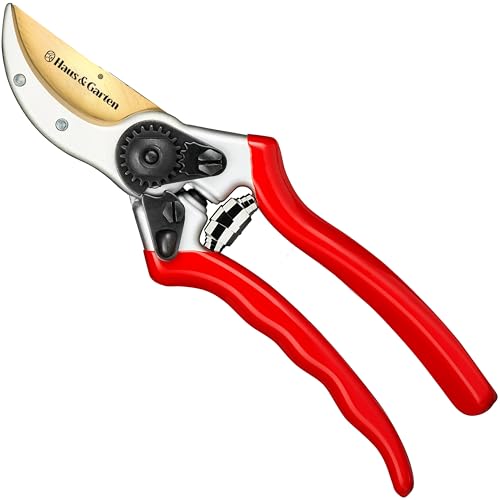
- Use clean, sharp pruning shears
- Remove dead or diseased wood in early spring
✗ What to Avoid
- Pruning old wood bloomers in fall or winter
- Cutting all stems back to the ground
- Using dull or dirty cutting tools
- Pruning during extreme weather conditions
When to Cut Hydrangea Flowers for Regrowth
Timing is the most critical factor in answering "If you cut a hydrangea flower will it grow back." Here's a breakdown of when to cut based on your hydrangea type:
For Old Wood Bloomers (Bigleaf, Oakleaf)
These varieties should be pruned immediately after they finish flowering in mid to late summer. This gives the plant enough time to develop new buds for next year's blooms. Cutting them in fall, winter, or early spring will remove the flower buds, resulting in fewer or no blooms the following season.
For New Wood Bloomers (Panicle, Smooth)
These hydrangeas can be pruned in late winter or early spring before new growth begins. Since they bloom on new wood, you won't lose any flowers by cutting them back during the dormant season. You can also deadhead spent blooms anytime without affecting next year's flower production.
For Reblooming Varieties
Reblooming hydrangeas offer the most flexibility. You can deadhead spent flowers to encourage reblooming, and you have more leeway with pruning timing. However, for best results, prune lightly in early spring or immediately after the first flush of blooms fades.
To learn more about pruning different hydrangea varieties, read our article on should hydrangeas be cut back in the fall or spring for additional insights.
Will Cut Hydrangea Flowers Grow Back the Same Season?
Generally, no. When you cut a hydrangea flower, you will not see a new flower grow from that exact same stem in the same season. However, the plant may produce new side shoots that could develop flowers later, especially if you have a reblooming variety.
For most hydrangea varieties, the main flowering period occurs once per season. The plant invests energy into producing a spectacular display, and after the blooms fade, it focuses on root and stem development, as well as bud formation for the following year.
Reblooming varieties like Endless Summer and BloomStruck are exceptions. With proper care, including timely deadheading and adequate nutrients, these hydrangeas can produce multiple rounds of blooms throughout the growing season.
If you're looking for other low-maintenance flowering options, you might also be interested in exploring plants that don't require a lot of maintenance for a more effortless garden experience.
How to Properly Cut Hydrangea Flowers
Proper cutting technique is essential for encouraging regrowth and maintaining plant health. Follow these steps for the best results:
- Use Clean Tools: Always use sharp, sterilized pruning shears to make clean cuts and prevent disease transmission.
- Cut at the Right Angle: Make cuts at a 45-degree angle, about ¼ inch above a leaf node (where leaves attach to the stem).
- Remove Only What's Necessary: When deadheading, cut just below the spent flower head. Avoid cutting into old wood unless you're performing structural pruning.
- Thin When Needed: Remove dead, damaged, or crossing branches to improve air circulation and light penetration.
- Consider the Plant's Shape: Maintain the natural form of the hydrangea. Avoid shearing or creating unnatural shapes that can stress the plant.
Understanding the importance of proper pruning techniques can also benefit other plants in your garden. For example, how to prune a tomato plant for maximum yield shares similar principles of strategic cutting for better production.
Factors That Affect Hydrangea Regrowth
Several factors can influence whether cut hydrangea flowers grow back and how well the plant performs:
1. Hydrangea Variety
As discussed, whether you have an old wood, new wood, or reblooming variety is the single most important factor. Always identify your variety before pruning.
2. Pruning Timing
Pruning at the wrong time is the most common reason why hydrangeas fail to bloom. For old wood bloomers, pruning in spring or winter removes the flower buds that were formed in the previous season.
3. Weather Conditions
Late frosts can damage buds and developing flowers, affecting regrowth and blooming. Protect your hydrangeas from unexpected cold snaps, especially in early spring.
4. Soil and Nutrients
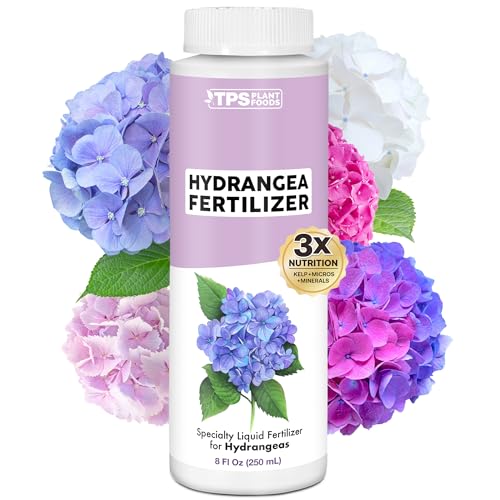
Hydrangeas thrive in well-draining, nutrient-rich soil. Regular fertilization and proper watering support healthy growth and abundant blooms. A balanced fertilizer formulated for flowering shrubs can help produce vibrant blooms.
5. Sunlight
Most hydrangeas prefer morning sun and afternoon shade. Too much direct sunlight can stress the plant, while insufficient light can reduce flower production.
For more information on hydrangea maintenance, check out our guide on do you need to cut dead flowers off hydrangea for additional insights.
Common Hydrangea Pruning Mistakes
- Pruning at the Wrong Time: This is the #1 mistake gardeners make. Always know your hydrangea type before you prune.
- Cutting All Stems to the Ground: While some new wood varieties benefit from hard pruning, most hydrangeas prefer light to moderate pruning.
- Not Deadheading at All: Leaving spent flowers can redirect energy away from new growth and bloom production.
- Using Dull Tools: Dull shears crush stems, making them vulnerable to disease and pests.
- Ignoring Plant Health: Pests, diseases, and nutrient deficiencies can prevent regrowth regardless of pruning efforts.
To further expand your plant care knowledge, you may also want to explore our comprehensive guide on how to care for rose bushes in the spring and our tips on companion plants for peppers to create a thriving garden ecosystem.
Hydrangea Care After Cutting
After you cut hydrangea flowers, provide your plant with the care it needs to recover and prepare for future blooms:
- Water Regularly: Hydrangeas are thirsty plants. Water deeply once or twice a week, or more during hot, dry periods.
- Apply Fertilizer: Use a slow-release fertilizer specifically designed for flowering shrubs in early spring and again after blooming.
- Mulch Around the Base: Apply a 2-3 inch layer of organic mulch to retain moisture and regulate soil temperature.
- Monitor for Pests: Check regularly for signs of aphids, spider mites, or other common hydrangea pests.
- Protect from Extreme Weather: In regions with harsh winters, consider wrapping or protecting your hydrangeas from frost damage.
Final Answer: If You Cut a Hydrangea Flower Will It Grow Back?
Yes, but with conditions:
- Cut flowers will not regrow from the same stem in the same season, but new growth will form, and the plant will produce fresh flowers in the next blooming period.
- For old wood bloomers, cutting at the right time (after blooming) preserves next year's flowers.
- For new wood bloomers and reblooming varieties, you have more flexibility, and proper deadheading can even encourage additional blooms.
- Success depends on timing, technique, and variety – with the right approach, your hydrangeas will continue to grow and bloom beautifully year after year.
Let gardening be your partner in creating a stunning landscape! For more expert gardening advice, explore our collection of gardening tips and guides.
We hope this comprehensive guide has answered your question: "If you cut a hydrangea flower will it grow back?" With the knowledge you've gained, you're now equipped to make informed decisions about pruning and caring for your hydrangeas. Remember, every cut has a purpose, and with the right approach, your hydrangeas will reward you with stunning displays of color season after season.
For more inspiration, don't forget to check out our articles on low-maintenance front yard landscaping ideas with rocks and mulch and sprinkler system installation cost to complete your dream garden.