Fastest Way to Get Rid of Weeds in Lawn
Discover proven methods, expert tips, and the best weed control products to achieve a lush, weed-free lawn quickly and effectively.
Jump to Methods ↓Let Gardening solve your weed problems: Weeds are the #1 enemy of a beautiful lawn. Whether you're dealing with dandelions, crabgrass, clover, or stubborn broadleaf weeds, the fastest way to get rid of them depends on the right timing, method, and product. This guide covers chemical, organic, and mechanical solutions so you can choose the best approach for your lawn.
Know Your Enemy: Common Lawn Weeds
Identifying the weed type is the first step toward fast elimination. The most common lawn weeds fall into three categories:
- Broadleaf weeds: Dandelions, clover, chickweed, and plantain. These have wide leaves and are easy to spot.
- Grassy weeds: Crabgrass, annual bluegrass, and quackgrass. These look like grass but grow faster and in patches.
- Sedger/grass-like weeds: Nutsedge and wild onion. These have triangular stems and grow faster than grass.
Once you know what you're dealing with, you can choose the fastest control method. For most lawns, a broad-spectrum weed killer combined with proper lawn care is the most efficient solution. Learn more about choosing the best weed control for your lawn.
Fastest Weed Control Methods Compared
🌿 Chemical Weed Killers
Speed: 24–72 hours
Best for: Broadleaf weeds, crabgrass, and stubborn perennials.
Selective herbicides like 2,4-D and dicamba kill weeds without harming grass. For pre-emergent control, products containing prodiamine or dithiopyr stop crabgrass before it sprouts.
✅ Fastest results when applied to actively growing weeds.
🌱 Organic & Natural Solutions
Speed: 3–7 days
Best for: Small infestations, pet-safe areas.
Vinegar (20% acetic acid), boiling water, or corn gluten meal are natural options. For a post-emergent organic approach, iron-based herbicides (like FeHEDTA) kill weeds quickly and are safe for children and pets.
✅ Works best on young, tender weeds.
🔧 Mechanical Removal
Speed: Immediate (physical removal)
Best for: Small patches, garden beds.
Hand pulling, hoeing, or using a weed torch provides instant results. For large lawns, a dethatcher or power rake can remove weeds and thatch in one pass.
✅ No chemicals, immediate removal, but labor-intensive.
Step-by-Step: Fastest Weed Elimination Plan
-
1. Identify the Weed Type
Use our weed identification guide to determine if you have broadleaf, grassy, or sedge weeds. This ensures you pick the right herbicide.
-
2. Choose the Right Product
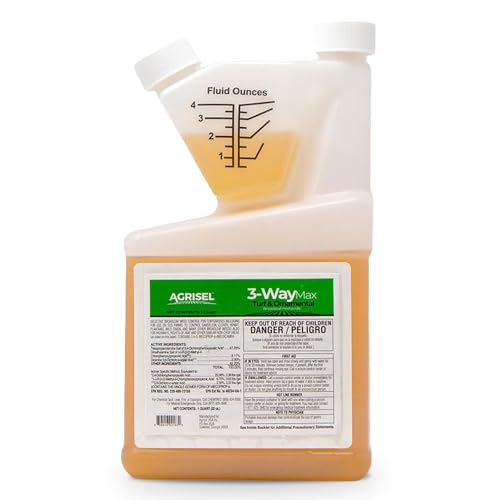
For fastest results, use a liquid post-emergent herbicide with 2,4-D, MCPP, and dicamba for broadleaf weeds. For crabgrass, apply a pre-emergent in early spring, then spot-treat survivors with quinclorac.
-
3. Apply at the Right Time
The fastest way to kill weeds is to apply herbicides when weeds are actively growing—late spring to early fall is ideal. Avoid applying during drought or before rain to prevent runoff.
-
4. Use Proper Application Techniques
Use a sprayer for liquid concentrates or a spreader for granular weed & feed. Always follow label instructions for mixing and coverage. Overlapping applications ensure complete coverage.
-
5. Follow Up with Lawn Care
After weeds die, reseed or overseed bare spots to prevent new weeds. Regular mowing (at 2.5–3.5 inches) and proper watering (1 inch per week) keep your lawn thick and weed-resistant.
Top Weed Control Products for Fast Results
| Product Type | Active Ingredient | Speed of Action | Best For | Price Range |
|---|---|---|---|---|
| Liquid Selective Herbicide | 2,4-D, MCPP, Dicamba | 24–48 hours | Dandelions, clover, chickweed | $20–$40 |
| Granular Weed & Feed | 2,4-D, MCPP, Nitrogen | 3–5 days | Broadleaf weeds + fertilizing | $25–$50 |
| Organic Iron-Based Spray | FeHEDTA | 3–7 days | Pet-safe, organic lawns | $30–$45 |
| Pre-Emergent Granules | Prodiamine, Dithiopyr | Prevents seeds (6–8 weeks) | Crabgrass, annual bluegrass | $25–$55 |
For a more targeted approach, consider a 2,4-D-based product or an organic pre-emergent option if you're also growing vegetables nearby.
Seasonal Timing for Fastest Weed Control
- 🌱 Spring (March–May): Apply pre-emergent for crabgrass. Spot-treat winter annuals like chickweed.
- ☀️ Summer (June–August): Use post-emergent herbicides on actively growing weeds. Water deeply to keep grass competitive.
- 🍂 Fall (September–November): Best time for broadleaf weed control as weeds store energy for winter. Apply weed & feed to thicken lawn.
- ❄️ Winter (December–February): Most weeds are dormant. Focus on preventing winter annuals with pre-emergent in late fall.
Timing your application with the weed's growth cycle is the fastest way to get rid of weeds because you hit them when they are most vulnerable. Learn more about the best time of day to apply weed & feed.
Pro Tips for Maximum Speed
💧 Water Before Spraying
Moist soil helps herbicides absorb through weed roots. Water 1–2 days before application for faster uptake.
🌡️ Apply in Warm Weather
Weeds absorb herbicides faster at 60–85°F. Avoid applying during heat stress (above 90°F) to prevent grass damage.
🔁 Repeat Application
For stubborn weeds like dandelions, a second application 7–10 days later ensures complete kill. Use a spray that won't harm grass.
🌿 Natural Alternative: Organic Weed Control
If you prefer to avoid synthetic chemicals, consider corn gluten meal as a natural pre-emergent, or 20% vinegar for spot treatment. For a pet-safe post-emergent, iron-based (FeHEDTA) sprays are highly effective and work within 3–5 days. They are also safe for clover control and other broadleaf weeds.
Bottom Line: The fastest way to get rid of weeds in your lawn is to use a liquid post-emergent herbicide with 2,4-D and dicamba, applied when weeds are actively growing, and follow up with proper lawn maintenance. This approach typically shows results in 24–48 hours and keeps your lawn weed-free for weeks. For an organic option, iron-based sprays offer similar speed with added safety for pets.