Fertilizer for Acid Loving Plants: The Complete Guide
Learn how to feed blueberries, azaleas, rhododendrons, camellias, and other acid-loving plants the right way. Master soil pH, choose the ideal fertilizer, and unlock vibrant growth and abundant blooms.
Find the Right FertilizerWhy acid-loving plants need special care: Acid-loving plants evolved in soils with a pH between 4.5 and 6.0. When grown in neutral or alkaline soil, they struggle to absorb essential nutrients — especially iron — leading to yellowing leaves, stunted growth, and poor flowering. Choosing the right fertilizer is one of the most effective ways to keep these beautiful plants healthy and productive.
What Are Acid Loving Plants?
Acid-loving plants — also called acidophytes or ericaceous plants — are species that thrive in acidic soil conditions. Their root systems are adapted to absorb nutrients efficiently when the soil pH is low. When the pH rises above their preferred range, key nutrients like iron, manganese, and zinc become chemically bound in the soil and unavailable to the roots, even if those nutrients are present.
Common acid-loving plants include:
- Blueberries
- Azaleas
- Rhododendrons
- Camellias
- Gardenias
- Hydrangeas (blue varieties)
- Japanese maples
- Dogwood trees
- Fuchsias
- Pieris
- Mountain laurel
- Holly
If you grow any of these species, understanding how to maintain proper soil acidity and choose the right fertilizer is essential. For more on cultivating specific acid-loving ornamentals, see our guides on fuchsia care and dogwood trees.
Why Soil pH Matters for Fertilizer Efficiency
Soil pH directly controls nutrient availability. In alkaline soil (pH above 7.0), iron, manganese, and zinc become insoluble and cannot be taken up by roots. This is why acid-loving plants often show interveinal chlorosis — yellowing between green veins — even when the soil contains adequate iron.
Fertilizers formulated for acid-loving plants address this in two ways: they supply nitrogen in ammonium form (which acidifies the soil as it breaks down), and they often include sulfur, iron, and other micronutrients in plant-available forms. Using a general-purpose fertilizer with nitrate nitrogen can gradually raise soil pH, making the problem worse over time.
💡 Pro Tip: Test your soil pH before fertilizing. A simple home soil test kit or a laboratory analysis will tell you whether you need to acidify the soil first or simply maintain the current pH with the right fertilizer.
Types of Fertilizer for Acid Loving Plants
There are several categories of fertilizer suitable for acid-loving plants, each with distinct advantages depending on your situation.
1. Specialized Acid-Loving Plant Fertilizers
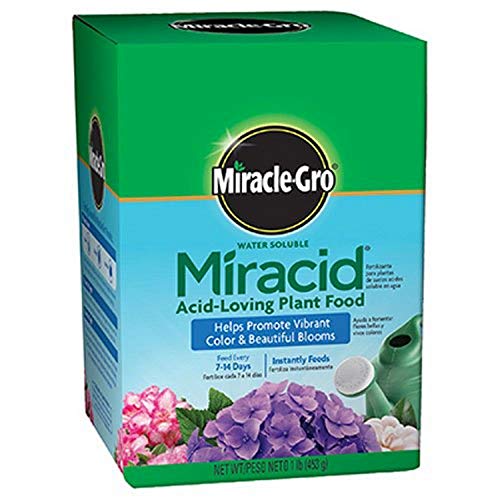
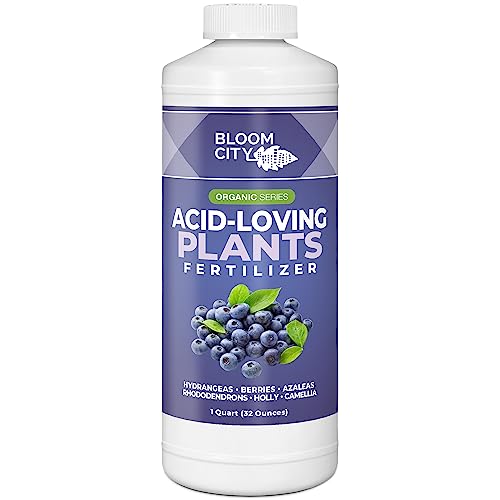
These are products specifically formulated for ericaceous plants. They typically contain ammonium sulfate or urea as the nitrogen source, along with added sulfur, iron, and magnesium. They are the safest and most convenient choice for most home gardeners. Look for labels that mention azaleas, rhododendrons, camellias, or blueberries.
2. Organic Acidic Fertilizers
Organic options include cottonseed meal, fish emulsion, and composted pine bark. These materials break down slowly and have an acidifying effect on the soil. They also improve soil structure and support beneficial microbes. Many gardeners combine organic matter with a specialized fertilizer for the best results. Learn more about building healthy soil in our composting guide.
3. Elemental Sulfur and Aluminum Sulfate
These are soil amendments rather than complete fertilizers, but they are valuable tools for lowering pH. Elemental sulfur is slow-acting and long-lasting, while aluminum sulfate acts faster but should be used cautiously because excess aluminum can be toxic to roots.
4. Slow-Release and Controlled-Release Fertilizers
Slow-release granules designed for acid-loving plants provide a steady supply of nutrients over several months. They are convenient for containers and landscape beds, reducing the risk of over-fertilizing. Mid-range and premium products often include a balanced blend of micronutrients.
How to Choose the Best Fertilizer
When selecting a fertilizer for acid-loving plants, consider the following factors:
Nitrogen Source
Choose ammonium-based or urea-based nitrogen. Avoid nitrate nitrogen, which can raise soil pH over time.
Micronutrients
Look for added iron, sulfur, magnesium, and manganese. These are often deficient in alkaline soils.
NPK Ratio
A ratio like 10-5-4 or similar works well for most acid-loving ornamentals. Blueberries benefit from slightly different ratios.
Formulation
Granular, water-soluble, or liquid — choose based on your application method and plant type.
For gardeners managing containers or small raised beds, a water-soluble acid fertilizer is easy to apply and fast-acting. For landscape plantings, granular slow-release products are more practical. Budget-friendly options exist in both categories, while premium formulations often include a broader spectrum of micronutrients and chelated iron for superior results.
When and How to Apply Fertilizer
Timing and application technique are just as important as product choice. Follow these guidelines for healthy, vigorous plants:
- Fertilize in early spring as new growth begins. This is when plants need the most nutrients.
- Apply a second light feeding in early summer for heavy feeders like blueberries and hydrangeas.
- Avoid late-summer and fall fertilizing — it encourages tender growth that may be damaged by frost.
- Water before and after applying to prevent root burn and help nutrients reach the root zone.
- Spread granular fertilizer evenly around the drip line, keeping it away from the trunk or crown.
- For containers, reduce the rate to about half the recommended amount and apply more frequently.
- Monitor plant response and adjust next season based on growth, leaf color, and flowering.
💡 Pro Tip: If you use drip irrigation, consider injecting water-soluble acid fertilizer through the system. This delivers nutrients directly to the root zone and saves time.
Key Nutrients for Acid Loving Plants
Understanding what each nutrient does helps you diagnose problems and choose the right fertilizer blend.
| Nutrient | Role in Plant Health | Deficiency Signs |
|---|---|---|
| Nitrogen (N) | Promotes leafy growth and overall vigor | Pale green or yellow older leaves, stunted growth |
| Phosphorus (P) | Supports root development and flowering | Purple-tinged leaves, poor blooming, weak roots |
| Potassium (K) | Improves disease resistance and stem strength | Brown leaf edges, weak stems, poor flowering |
| Iron (Fe) | Essential for chlorophyll production | Interveinal chlorosis on new leaves (yellow with green veins) |
| Magnesium (Mg) | Central to chlorophyll molecule and enzyme function | Yellowing between veins on older leaves, leaf drop |
| Sulfur (S) | Lowers soil pH and supports protein synthesis | Pale young leaves, slow growth, low soil pH buffering |
| Manganese (Mn) | Enzyme activation and photosynthesis | Yellowing between veins with brown spots, stunted growth |
Plant-Specific Fertilizer Tips
Blueberries
Blueberries are among the most acid-demanding fruits, preferring pH 4.5–5.5. Use a fertilizer labeled for acid-loving plants or a blueberry-specific blend. Apply in early spring and again after harvest. Avoid nitrate-based fertilizers. For more fruit-growing guidance, explore our fruit trees section.
Azaleas and Rhododendrons
These shrubs benefit from a light application of acid fertilizer in spring as buds swell. Avoid over-fertilizing, which can cause lush growth at the expense of flowers. A mulch of pine bark or oak leaves helps maintain soil acidity naturally.
Camellias and Gardenias
Camellias and gardenias are sensitive to alkaline soil and benefit from chelated iron supplements if chlorosis appears. Use a slow-release acid fertilizer in early spring. Gardenias also appreciate magnesium sulfate (Epsom salts) as a supplement.
Hydrangeas
For blue hydrangeas, maintaining acidic soil is essential. Use an acid fertilizer and consider aluminum sulfate to intensify blue color. Pink varieties prefer near-neutral soil, so choose your fertilizer based on the color you want.
Common Fertilizer Mistakes to Avoid
Even experienced gardeners sometimes make these errors when feeding acid-loving plants:
- Using general-purpose fertilizer with nitrate nitrogen, which gradually raises pH.
- Over-fertilizing, which causes salt buildup and root damage.
- Fertilizing dry soil, which can burn roots — always water first.
- Ignoring soil pH and expecting fertilizer alone to solve chlorosis.
- Applying fertilizer in late summer, encouraging frost-tender growth.
- Using the same rate for containers and garden beds — containers need less.
Frequently Asked Questions
What is the best fertilizer for acid loving plants?
How often should I fertilize acid loving plants?
Can I use regular fertilizer on acid loving plants?
How do I lower soil pH for acid loving plants?
What are the signs that an acid loving plant needs fertilizer?
Final Thoughts
Feeding acid-loving plants doesn't have to be complicated. By understanding soil pH, choosing a fertilizer with the right nitrogen source and micronutrients, and applying it at the right time, you can keep blueberries, azaleas, rhododendrons, and other ericaceous plants thriving year after year. Combine proper fertilization with good cultural practices — mulching, adequate watering, and periodic pH testing — for the best results.
Whether you're growing a single potted gardenia or a whole landscape of acid-loving shrubs, the right fertilizer makes all the difference. Explore our other guides on gardening tips, soil and potting mixes, and plant fertilizers to build a complete care routine.