Full Sun Perennials Bushes That Bloom All Summer
Discover the most reliable sun-loving perennial shrubs that deliver vibrant, continuous color from early summer through frost — so you can build a garden that rewards you year after year with minimal replanting.
Why choose perennial bushes over annuals? Planting a full sun perennial bush is a one-time investment that pays dividends for a decade or more. While annual bedding plants must be replaced every spring, a well-chosen perennial shrub establishes deep roots, expands its canopy, and produces more flowers with each passing season. The plants on this list are selected for their exceptional bloom duration, heat tolerance, drought resilience, and low-maintenance nature — making them ideal for busy gardeners who still want a show-stopping summer display.
What Makes a Perennial Bush Bloom All Summer?
Three factors separate a shrub that flowers for three weeks from one that performs for three months: genetics, deadheading, and water management. Species bred for reblooming — such as panicle hydrangeas and reblooming roses — carry genes that trigger new flower buds as old ones fade. Combine that natural tendency with consistent soil moisture and a midsummer pruning pass, and you effectively reset the bloom cycle.
Sun exposure is equally critical. "Full sun" officially means six or more hours of direct light, but for maximum flowering, aim for eight to ten hours. Shrubs grown in partial shade often survive but produce noticeably fewer blossoms. If your site receives intense afternoon heat, choose varieties that tolerate reflected light and heat stress, such as drought tolerant plants, which maintain bloom quality even when temperatures spike.
Soil drainage rounds out the trio. Most perennial shrubs detest waterlogged roots, so amend heavy clay with organic matter and consider a raised bed or mound planting. Once established, a two- to three-inch layer of mulch conserves moisture and suppresses weeds without competing for nutrients.
Top Full Sun Perennial Bushes for Continuous Summer Bloom
The following selections represent the best-performing, most widely available perennial shrubs for long-season color. Each entry includes its standout feature, bloom window, and care notes so you can match plants to your site conditions.
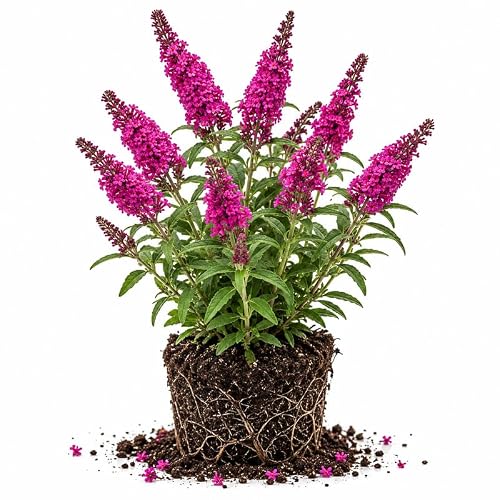
Butterfly Bush (Buddleja davidii)
The gold standard for continuous summer color. Panicles of purple, pink, white, or orange flowers appear from June until frost, and the fragrance draws butterflies and hummingbirds in droves. Requires full sun and well-drained soil. Cut back hard in late winter to promote vigorous new growth and abundant blooms.
Panicle Hydrangea (Hydrangea paniculata)
Unlike mophead hydrangeas, panicle types thrive in full sun and bloom reliably from July through September. Cone-shaped flower clusters start white and age to pink or burgundy. A mid-range selection like 'Limelight' offers exceptional staying power. Prune in late winter for the strongest flower display.
Crape Myrtle (Lagerstroemia indica)
Technically a large shrub or small tree, crape myrtle produces crinkled flowers in red, pink, purple, or white for up to fourteen weeks in zones 6–9. It thrives in hot, sunny sites and tolerates drought once established. New growth emerges late in spring, so be patient before pruning.
Rose of Sharon (Hibiscus syriacus)
An upright, vase-shaped shrub covered with large, hollyhock-like blooms from July until the first frost. Tolerates poor soil, drought, and urban conditions — a top-tier choice for challenging sites. Remove spent flowers to prevent self-seeding, which can become aggressive in some regions.
Potentilla (Potentilla fruticosa)
A small, mounded shrub that flowers continuously from late spring through early fall in sunny, dry sites. Excellent for border fronts and low hedges. Available in yellow, white, orange, and pink. Very low maintenance — simply shear lightly in early spring if shape needs refreshing.
Shrub Rose (Rosa spp.)
Modern landscape roses, including the popular 'Knock Out' series, bloom in repeated waves from late spring to frost with almost no spraying. Full sun and good air circulation prevent black spot. Unlike fussy hybrid teas, shrub roses are forgiving and long-lived. For more insight on rose types, see floribunda vs hybrid tea roses.
Spirea (Spiraea spp.)
Reliable, tidy shrubs that flower heavily in late spring and many varieties rebloom through summer. 'Goldflame' offers colorful foliage as a bonus. Thrives in full sun with average moisture. Prune right after the first bloom flush to encourage a second round of flowers.
Bluebeard (Caryopteris x clandonensis)
An underused gem that blooms from August to October, filling the late-summer gap when other shrubs are winding down. Blue-violet flowers top silvery foliage. Cut back in early spring; flowers form on new wood. Drought-tolerant and deer-resistant once established.
Pro Tip: For a longer overall bloom season, layer early-flowering shrubs like spirea (late spring) with mid-season performers like butterfly bush (June–August) and late bloomers like bluebeard (August–October). This succession strategy ensures something is always flowering, even when individual plants take a brief pause.
Quick Comparison: Bloom Windows & Site Needs
Use this at-a-glance table to match shrubs to your climate and garden layout. "Tier" reflects general market positioning for reference when shopping for specimens or quality starter plants.
| Shrub | Bloom Window | Sun Needs | Hardiness | Market Tier |
|---|---|---|---|---|
| Butterfly Bush | June – Frost | Full sun (6+ hrs) | Zones 5–9 | Entry to mid-range |
| Panicle Hydrangea | July – September | Full sun to part shade | Zones 3–8 | Mid-range to premium |
| Crape Myrtle | June – September | Full sun (8+ hrs ideal) | Zones 6–9 | Mid-range |
| Rose of Sharon | July – Frost | Full sun | Zones 5–9 | Budget-friendly |
| Shrub Rose | May – Frost (repeat) | Full sun | Zones 4–9 | Entry to premium |
| Potentilla | Late spring – Fall | Full sun | Zones 2–7 | Budget-friendly |
| Spirea | Late spring – Midsummer (rebloom varies) | Full sun | Zones 3–8 | Entry-level |
| Bluebeard | August – October | Full sun | Zones 5–9 | Mid-range |
How to Plant and Establish Your Shrubs
Proper planting technique determines whether a shrub settles in quickly or sulks for a full season. Follow these steps for best results:
- Choose the right site. Verify sun hours before digging — observe the spot across a full day. Most failures trace back to underestimated shade.
- Dig a hole twice as wide as the root ball but no deeper. The top of the root ball should sit level with or slightly above the surrounding soil.
- Amend with compost. Mix native soil with 25–30% organic compost for drainage and fertility. Do not over-amend; roots need to acclimate to native conditions.
- Water thoroughly at planting and maintain consistent moisture through the first season. A drip irrigation setup delivers water efficiently without wetting foliage.
- Mulch 2–3 inches deep, keeping mulch a few inches away from the trunk to prevent rot.
For a broader design plan, consider pairing flowering shrubs with structural elements like a garden arbor or low border plantings. If you prefer a drought-resilient palette, explore these drought-tolerant perennials that bloom all summer for complementary companion plants.
Seasonal Care Calendar for Continuous Bloom
Spring
- Prune summer-blooming shrubs that flower on new wood (butterfly bush, panicle hydrangea, bluebeard) as buds begin to swell.
- Apply a balanced slow-release fertilizer once new growth appears.
- Refresh mulch before summer heat arrives.
Summer
- Deadhead spent flowers weekly to trigger new bloom cycles — this single habit adds weeks of color.
- Water deeply once or twice weekly during dry spells; shallow frequent watering encourages weak roots.
- Watch for pests like aphids and spider mites; strong water sprays often manage them without chemicals.
Fall
- Stop fertilizing by early fall so plants harden off before winter.
- Leave seed heads on some shrubs for bird interest and winter structure.
- Plant new specimens early in the season to give roots time to settle.
Winter
- Plan next year's layout and order bare-root or dormant plants for spring delivery.
- Check for frost heaving and re-firm soil around crowns if needed.
Best Picks by Climate Zone
Hardiness determines which shrubs survive winter in your region. The plants above span zones 2–9, so nearly every gardener in the continental United States can find a suitable match. If you live in a cold climate, consult this guide to full sun perennials that bloom all summer in zone 5, and for milder regions see zone 6 recommendations. Gardeners in hot, dry climates should favor crape myrtle and bluebeard, while northern gardeners will have the most success with potentilla, spirea, and panicle hydrangea.
Container gardeners can still enjoy long-blooming perennials — dwarf butterfly bush and compact shrub roses perform beautifully in large pots, provided they receive consistent water. For ideas on combining perennials with annuals in pots, see full sun flowers that bloom all summer in pots.
Frequently Asked Questions
What is the best full sun perennial bush that blooms all summer?
There is no single best choice, but butterfly bush, crape myrtle, and panicle hydrangea are among the most reliable full sun perennial bushes for continuous summer bloom. The ideal pick depends on your climate zone, soil type, and desired flower color.
Do perennial bushes really bloom all summer long?
Truly continuous bloom from June through September is rare, but many full sun perennial bushes offer a very long bloom window of ten to fourteen weeks. Deadheading spent flowers and providing consistent water and nutrients dramatically extends the flowering period.
How much sun do summer-blooming perennial bushes need?
Full sun means at least six hours of direct, unfiltered sunlight daily, with eight or more hours being ideal for maximum flower production. Morning sun with some afternoon shade is acceptable in hot climates and actually helps flowers last longer.
What is the difference between a perennial bush and an annual shrub?
A perennial bush lives for three or more years and returns each season from its established root system, while an annual shrub completes its life cycle in a single growing season. Perennial bushes cost more upfront but deliver far greater long-term value and require less replanting.
When should I plant full sun perennial bushes?
Early spring or early fall is ideal, when soil is warm but air temperatures are moderate. Fall planting gives roots time to establish before winter dormancy, resulting in stronger bloom performance the following summer.
Ready to Build Your Summer-Long Blooming Garden?
Start with two or three reliable performers from the list above, give them full sun and consistent water, and you will enjoy vibrant color every summer for years to come. Browse our tested tool recommendations below to get planting with confidence.
See Recommended Tools