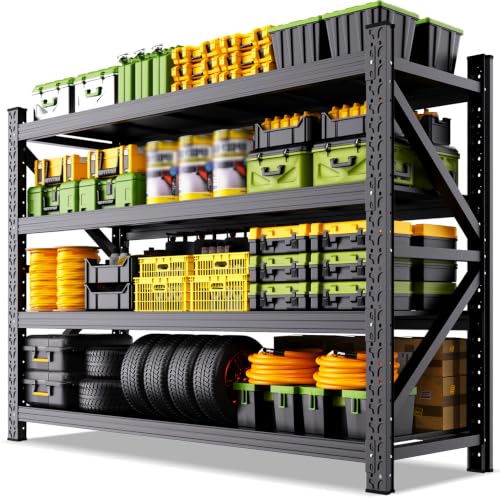
Garage Shelving: The Complete Guide to a Clutter-Free Space
Transform your cluttered garage into an organized, functional workspace. Learn about the best shelving types, materials, installation methods, and expert organization strategies for every budget and storage need.
Why Garage Shelving Matters: A garage often becomes the default dumping ground for tools, seasonal decorations, sports equipment, and household overflow. Without a proper storage system, this space quickly becomes unusable. Garage shelving is the single most effective investment you can make to reclaim your garage—whether you need heavy-duty racks for power tools, adjustable units for boxed items, or sleek wall-mounted systems for everyday essentials.
This comprehensive guide covers everything from choosing the right shelving type to installation tips and space-maximizing tricks. By the end, you will have a clear plan for turning your garage into a functional, organized area that serves your storage needs for years to come.
Types of Garage Shelving Solutions
Choosing the right shelving type depends on what you plan to store, the available wall space, and how much weight the unit must support. Here are the most common and effective garage shelving options:
Steel Freestanding Shelving Units
The workhorse of garage storage. Steel units with adjustable shelves handle heavy loads—from power tools to paint cans to bulk boxes. Look for models with reinforced beams and a powder-coated finish to resist rust. These are ideal for floor-level storage and can be rearranged as your needs change.
Wall-Mounted Shelving
Maximize vertical space by mounting shelves directly to garage walls. This keeps the floor clear and makes items easy to reach. Wall-mounted systems are available in bracket-and-shelf styles or as complete rail systems. They are perfect for storing frequently used items like gardening supplies, cleaning products, and small tools.
Ceiling-Mounted Overhead Racks
Turn unused ceiling space into valuable storage. Overhead racks are ideal for bulky, lightweight items such as holiday decorations, camping gear, and seasonal clothing. These systems free up valuable wall and floor space and are especially useful in smaller garages.
Plastic Resin Shelving
A budget-friendly option for light-duty storage. Plastic shelving resists moisture, rust, and chemicals, making it suitable for storing gardening supplies and cleaning products. While not suitable for heavy tools, resin units are easy to assemble, move, and clean.
Wire Rack Shelving
Ventilated wire racks allow air circulation, which helps prevent moisture buildup—a common problem in garages. These units are lightweight, easy to assemble, and versatile. They work well for storing boxed items, sports equipment, and pantry overflow. Choose chrome-plated or epoxy-coated wire for durability.
Custom Modular Cabinets & Shelving
For a polished, built-in look, modular garage cabinetry combines closed storage with adjustable shelving. These systems can include workbenches, tool drawers, and overhead cabinets. They are an excellent choice if you want a unified storage solution that hides clutter and adds value to your home.
Comparing Materials: Steel vs. Plastic vs. Wood
The material of your shelving determines its strength, durability, and appearance. Here is a breakdown of the most common materials:
| Material | Weight Capacity | Durability | Moisture Resistance | Best For |
|---|---|---|---|---|
| Steel | High (up to 1,000+ lbs per shelf on heavy-duty models) | Excellent—resists warping and cracking | Good (powder-coated options resist rust) | Heavy tools, automotive supplies, bulk storage |
| Plastic/Resin | Low to Moderate (50–150 lbs per shelf) | Good—won't rust or corrode | Excellent | Gardening supplies, cleaning products, light items |
| Wood | Moderate to High (varies by construction) | Good—can be repaired and refinished | Poor—prone to warping and rot | Custom shelving, workbenches, aesthetic builds |
| Wire | Moderate (200–500 lbs per unit) | Good—resists dust buildup | Excellent (ventilated design) | Boxed items, sports gear, pantry overflow |
For most homeowners, a combination of steel freestanding units and wall-mounted shelves provides the best balance of strength, flexibility, and value. If your garage experiences high humidity, prioritize powder-coated steel or resin over wood.
💡 Pro Tip: Before purchasing any shelving, measure your garage space carefully—including ceiling height, wall length, and door clearances. Also, check the weight rating per shelf and ensure the unit's total capacity matches your storage needs. Overloading shelves is the most common cause of garage shelving failure.
Installation Tips for Safe, Stable Shelving
Proper installation is critical for safety and longevity. Follow these guidelines to ensure your garage shelving performs reliably:
- Anchor to Studs: Always mount wall shelves and secure freestanding units to wall studs using lag screws or heavy-duty anchors. This prevents tipping and ensures the unit can handle its rated load.
- Check Floor Level: Garages often have sloped floors for drainage. Use shims to level freestanding units, and consider adjustable feet for uneven surfaces.
- Distribute Weight Evenly: Place heavier items on lower shelves and lighter items on top. This lowers the center of gravity and reduces the risk of tipping.
- Leave Clearance: Allow at least 18 inches of clearance below the lowest shelf for easy cleaning and to prevent moisture damage from floor dampness.
- Use Appropriate Fasteners: For concrete walls, use sleeve anchors or Tapcon screws. For drywall, always locate studs—do not rely on drywall anchors alone for heavy loads.
- Consider a Workbench Integration: If you need a workspace, choose a shelving system that integrates a workbench or can be paired with one. This creates a functional hub for projects and repairs.
If you are not comfortable with DIY installation, consider hiring a handyman or professional organizer who specializes in garage systems. The investment in professional installation is well worth the peace of mind.
Garage Organization Strategies That Work
Shelving alone is not enough—how you organize your items determines how functional your garage becomes. Here are proven strategies used by professional organizers:
1. Zone Your Garage
Divide your garage into zones based on activity: a gardening zone, a tool zone, a sports equipment zone, and a seasonal storage zone. Place shelving units in each zone and group related items together. This reduces the time you spend searching for things and makes it easier to put items back where they belong.
2. Use Clear Bins and Labels
Store loose items in clear plastic bins so you can see what is inside without opening them. Label each bin with its contents and the zone it belongs to. This is especially helpful for seasonal items like holiday decorations and gardening supplies. For inspiration on container options, explore our guide on food-safe plastic containers that can double as durable storage bins.
3. Keep Frequently Used Items at Eye Level
Items you use weekly—such as gardening gloves, hand tools, and cleaning supplies—should be stored between knee and shoulder height. Reserve the top shelves for infrequently used items like holiday decorations and the bottom shelves for heavy or bulky items.
4. Maximize Vertical Space
Install shelves all the way to the ceiling—but only for lightweight items. Use a step stool to access upper shelves safely. Overhead racks and ceiling-mounted storage are excellent for bulky items that do not fit on standard shelves. You can also hang long-handled tools like rakes and brooms on wall-mounted hooks or rails.
5. Create a Gardening Station
If you are an avid gardener, dedicate a section of your garage shelving to gardening supplies. Store pots, soil amendments, and hand tools in labeled bins. Keep a watering can and garden hose within easy reach. For inspiration on creating a functional garden workspace, see our guide on DIY garden beds and compost bins that pair well with an organized garage setup.
6. Protect Against Moisture and Pests
Garages are prone to humidity and pest activity. Use sealed containers for pet food, birdseed, and organic materials. Elevate items off the floor using shelving or pallets. Avoid storing perishable items or untreated wood directly against concrete walls.
Seasonal Storage: What to Store and When
Your garage shelving can serve as a year-round storage solution if you rotate items seasonally. Here is a quick guide:
- Spring: Move winter gear (snow shovels, salt, winter clothing) to top shelves. Bring out gardening supplies, lawn care equipment, and outdoor furniture cushions.
- Summer: Store spring cleaning supplies and temporary items. Prioritize access to sports equipment, camping gear, and outdoor entertaining supplies.
- Fall: Rotate summer items to upper shelves. Bring out fall decorations, rakes, and leaf bags. Prepare for winter by checking snow removal equipment.
- Winter: Keep snow shovels, ice melt, and winter emergency supplies easily accessible. Store gardening tools and summer equipment in less accessible areas.
Using clear labels and a simple inventory list will make seasonal rotations quick and hassle-free.
Frequently Asked Questions About Garage Shelving
Final Thoughts: Start Small, Stay Organized
Garage shelving is not just about buying a unit—it is about creating a system that works for your lifestyle. Start by decluttering and sorting your items, then measure your space and choose shelving that matches your storage needs. Whether you opt for a heavy-duty steel rack, a wall-mounted rail system, or a custom modular cabinet setup, the key is to install it safely and organize your items with intention.
Remember to anchor your units, distribute weight evenly, and label everything. With the right shelving and a little planning, your garage can become one of the most useful and organized spaces in your home—a place where you can find what you need, when you need it, and enjoy the peace of mind that comes with a clutter-free environment.
For more home and garden organization inspiration, explore our guides on closet organizers, deck storage boxes, and garden accessories and decor.