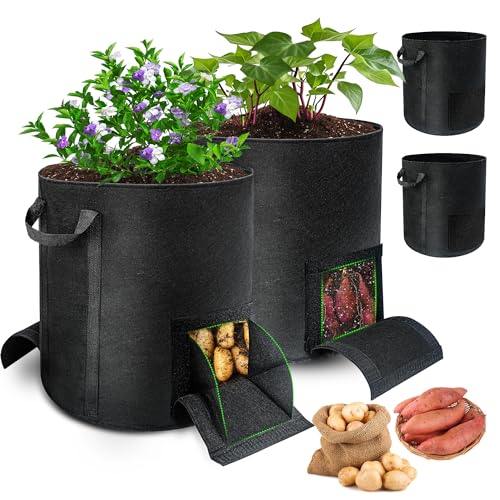
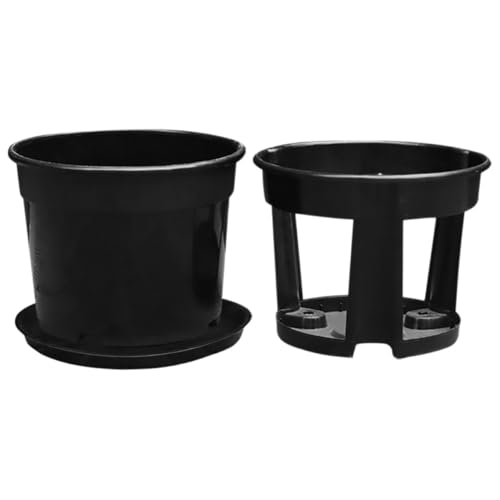
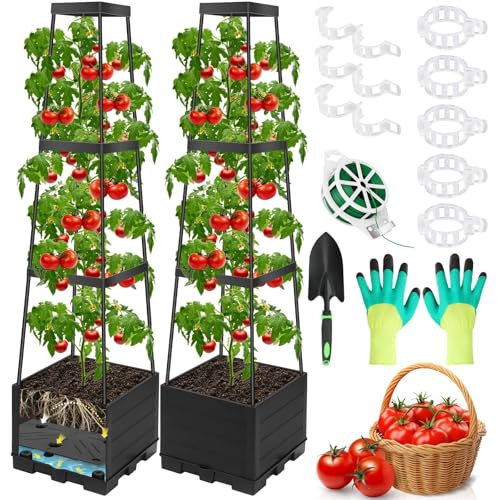
Food Safe Plastic Containers for Growing Vegetables
A practical buyer's guide for gardeners who want to grow edibles in plastic containers without worrying about chemical leaching, poor drainage, or long-term durability.
Why this topic matters: Container gardening is one of the most accessible ways to grow fresh food, especially for renters, apartment dwellers, and anyone with limited yard space. But when you grow vegetables in plastic, the material itself becomes part of your food system. Choosing a genuinely food safe plastic container is not just a nice detail — it directly affects soil health, root development, and the quality of what you harvest.
If you have been searching for food safe plastic containers for growing vegetables, you are likely at the research stage: you already know you want to grow edibles in containers, but you want to make sure the plastic you use will not leach unwanted chemicals into your soil or your crops. This guide walks through the plastic types that are considered safe, the container features that matter most for vegetables, and how to match container size to the crops you plan to grow. It also covers practical habits — like drainage, sun exposure, and soil renewal — that keep plastic planters performing well season after season.
What "Food Safe" Actually Means for Plastic Planters
The term food safe or food grade means the plastic has been manufactured to be suitable for contact with food and does not contain harmful additives above regulated limits. For gardening, this is a useful starting point because vegetables absorb water and nutrients from the soil, and the container is in constant contact with that soil. A food-grade plastic is far less likely to release undesirable compounds into the root zone compared with unknown or recycled plastics of uncertain origin.
Most reputable food safe containers carry a resin identification code — the triangle with a number inside. The codes that gardeners should prioritize are:
- Code 2 (HDPE — High-Density Polyethylene): Sturdy, UV-resistant when treated, and widely used for food-grade buckets and heavy-duty planters. A strong choice for long-term vegetable growing.
- Code 5 (PP — Polypropylene): Lightweight, heat-resistant, and common in food storage containers and nursery pots. Excellent for herbs, lettuce, and shallow-rooted crops.
- Code 1 (PET — Polyethylene Terephthalate): Clear and rigid, often used for beverage bottles. Fine for short-season growing but not ideal for long-term outdoor exposure.
- Code 4 (LDPE — Low-Density Polyethylene): Flexible and less rigid; useful for liners and grow bags but less common as a standalone planter.
Codes to avoid for edible gardening include Code 3 (PVC), Code 6 (Polystyrene), and Code 7 (Other, which can include polycarbonate and BPA-containing plastics). These materials are more likely to leach or degrade under sun and heat, and they are not the right foundation for a vegetable garden.
Quick check before you buy
Look for a resin code on the bottom of the container. If there is no code and no "food grade" or "BPA-free" labeling, treat it as unsuitable for growing vegetables. When in doubt, choose a container explicitly marketed for food contact or for edible gardening.
Plastic Types Compared for Vegetable Growing
The table below summarizes how the main food-grade plastics perform in a vegetable garden context. Use the quality tier column to compare relative positioning — entry-level options are functional but basic, while premium options typically offer thicker walls, better UV stability, and longer service life.
| Plastic Type | Resin Code | Best For | Durability | Quality Tier |
|---|---|---|---|---|
| HDPE | 2 | Tomatoes, peppers, root crops, long-season growing | High — thick walls resist cracking | Mid-range to premium |
| PP | 5 | Herbs, lettuce, radishes, shallow-rooted greens | Moderate — lightweight but reliable | Entry-level to mid-range |
| PET | 1 | Short-season crops, starter pots | Moderate — can become brittle in sun | Entry-level |
| LDPE | 4 | Grow bags, liners, flexible containers | Moderate — flexible but less rigid | Budget-friendly |
| PVC / PS / PC | 3, 6, 7 | Not recommended for edibles | Variable — risk of leaching | Avoid for vegetables |
For most home gardeners, HDPE and PP cover the widest range of vegetable growing needs. HDPE is the workhorse for larger planters and multi-season use, while PP is ideal for smaller containers, kitchen-adjacent herb gardens, and crops that do not need deep soil. If you are also planning to grow ornamental plants alongside edibles, the same material logic applies — see our guide on extra large rectangular plastic planters for outside for large-format options that pair well with vegetable beds.
Container Size and Depth: Matching Plastic to the Crop
The single most common mistake in container vegetable gardening is choosing a container that is too small. Root volume drives plant health, and plastic containers that are undersized will dry out faster, heat up more in the sun, and restrict root growth. The table below gives practical depth guidance by crop group.
| Crop Group | Minimum Soil Depth | Container Volume | Notes |
|---|---|---|---|
| Herbs (basil, parsley, cilantro) | 6–8 inches | Small to medium | PP containers work well; ensure drainage |
| Lettuce and leafy greens | 6–10 inches | Small to medium | Shallow-rooted; good for window boxes |
| Radishes, scallions | 8–10 inches | Medium | Quick crops; ideal for beginners |
| Peppers, determinate tomatoes | 12–18 inches | Medium to large | HDPE recommended for stability |
| Indeterminate tomatoes, cucumbers | 18–24 inches | Large | Needs sturdy walls and a trellis or cage |
| Carrots, beets, potatoes | 12–18 inches | Medium to large | Deep containers prevent forked roots |
If you are growing vegetables in a small space, consider vertical or stacked plastic systems. Many gardeners combine food safe containers with DIY garden beds or raised layouts to maximize yield. For smaller patios, rectangular containers along a wall or railing can hold a surprising amount of produce.
Drainage, Aeration, and Root Health
Food safe plastic is only half the equation. A container that holds water will rot roots regardless of how safe the plastic is. Every vegetable container needs drainage holes at the bottom, and larger containers benefit from a layer of coarse material at the base to improve airflow.
- Drill or add drainage holes if the container does not already have them. Aim for holes that are at least a quarter-inch in diameter, spaced evenly.
- Elevate the container slightly using pot feet or bricks so water can escape freely and air can circulate underneath.
- Use a well-draining potting mix rather than garden soil, which compacts in containers and reduces airflow.
- Avoid saucers that hold standing water for long periods, especially for crops prone to root rot such as peppers and herbs.
If you want to automate watering and reduce the risk of overwatering, pairing food safe containers with a drip irrigation setup is a practical upgrade. Drip systems deliver water slowly and evenly, which is especially helpful for plastic containers that heat up quickly in summer.
UV Stability and Long-Term Durability
Plastic exposed to direct sun degrades over time. UV radiation breaks down polymer chains, causing containers to become brittle and crack. Food safe plastics are not automatically UV-stable, so look for containers labeled as UV-resistant or made for outdoor use. HDPE generally performs better outdoors than PET, and thicker walls extend service life considerably.
Practical tips to extend the life of plastic vegetable containers:
- Place containers where they receive morning sun but are shaded during the harshest afternoon hours if you live in a hot climate.
- Mulch the soil surface to reduce heat gain and moisture loss.
- Inspect containers at the start of each season for hairline cracks and replace any that show structural damage.
- Store empty containers out of direct sun during winter if you live in a freezing climate.
If you are also maintaining a lawn or larger landscape around your container garden, our lawn care guides can help you keep the surrounding area healthy without compromising your edible growing space.
Soil, Fertilizer, and Safe Growing Practices
Even with food safe containers, the soil and inputs you use matter just as much as the plastic. Choose a potting mix designed for vegetables, and avoid reusing soil from diseased plants. Container vegetables benefit from regular feeding because nutrients leach out with watering.
- Start with fresh potting mix each season for disease-prone crops like tomatoes and peppers.
- Feed with a balanced organic or slow-release fertilizer formulated for edibles.
- Rotate crops between containers to reduce pest and disease buildup.
- Compost spent soil or refresh it with compost before reuse for less demanding crops like lettuce.
For gardeners who want to close the loop on soil health, composting is a natural companion to container growing. Finished compost improves potting mix structure and reduces reliance on synthetic inputs.
Common Mistakes to Avoid
- Using unknown recycled plastics without a resin code — you cannot verify what they contain.
- Skipping drainage holes because you plan to "water carefully" — this rarely works long-term.
- Choosing clear containers for outdoor use — light exposure encourages algae growth on the soil surface.
- Using containers that previously held chemicals — even food-grade buckets can be contaminated by prior contents if not sourced new.
- Ignoring container depth — shallow containers limit root growth and reduce yield.
- Placing containers on hot pavement without insulation — roots can overheat quickly.
Buying checklist
Before purchasing, confirm: (1) a resin code of 2, 5, or 1; (2) a "food grade" or "BPA-free" label; (3) drainage holes or the ability to add them; (4) appropriate depth for your crop; and (5) UV resistance if the container will be outdoors year-round.
Related Guides for Container Vegetable Growers
Once your food safe containers are in place, these guides can help you build out the rest of your edible garden. They cover companion planting, pest management, and the supporting infrastructure that makes container growing easier.
If your container garden sits near a patio or outdoor living area, you may also want to consider how your containers fit into the broader landscape. Our landscaping section includes ideas for integrating planters into patios, walkways, and seating areas without sacrificing function.
Ready to Grow in Food Safe Containers?
Browse our curated selection of gardening tools, containers, and supplies to start your container vegetable garden with confidence. Every recommendation prioritizes food safety, durability, and practical performance.
See Recommended ProductsFrequently Asked Questions
Are all plastic containers safe for growing vegetables?
No. Look for containers made from food-grade plastics such as HDPE (code 2), PP (code 5), or PET (code 1), and avoid recycled or unknown plastics that may leach chemicals into soil and edibles. Containers without a resin code or food-grade label should not be used for vegetables.
What does food grade mean for plastic planters?
Food grade means the plastic is manufactured to be safe for contact with food and does not contain harmful additives like BPA above safe limits. For gardening, this indicates the material is suitable for growing edible crops without introducing unwanted compounds into the soil.
Do food safe plastic containers need drainage holes?
Yes. Even food safe containers need drainage holes to prevent waterlogging, root rot, and fungal problems. If the container does not come with holes, drill them yourself before adding soil, and elevate the container slightly so water can escape freely.
Can I grow vegetables in food storage containers?
Yes, food storage containers made from food-grade PP or HDPE can work well for shallow-rooted vegetables like lettuce, herbs, and radishes, provided you add drainage and sufficient soil depth. For deeper-rooted crops like tomatoes or carrots, use larger containers with at least 12–18 inches of soil depth.
How long do plastic vegetable containers last?
With proper care, HDPE and PP containers can last several growing seasons, especially if they are UV-stabilized and stored out of direct sun during winter. Inspect them each season for cracks or brittleness and replace any that show structural damage to avoid soil loss and root exposure.