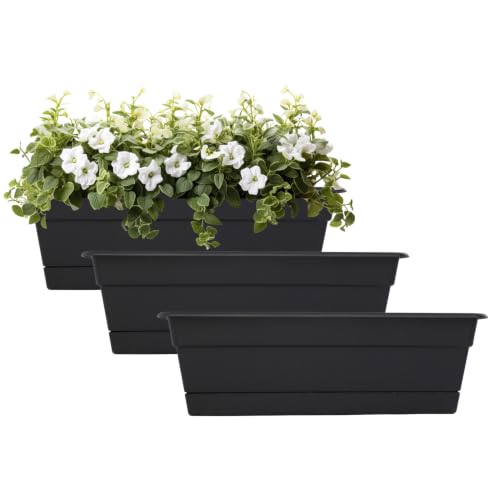
Extra Large Rectangular Plastic Planters for Outside: The Complete Buying Guide
Extra large rectangular plastic planters for outside offer a smart balance of visual impact, practicality, and long-term value. Unlike round pots, the rectangular shape hugs walls, frames entryways, and creates clean lines along patios and driveways. This guide walks you through everything you need to know — from plastic types and drainage to planting schemes and placement — so you can buy with confidence and enjoy your planters for years to come.
Why Choose Rectangular Plastic Planters
Rectangular planters solve a problem that round pots often cannot: they use space efficiently. A long rectangular planter can sit flush against a wall, line a patio edge, or separate a seating area from a lawn without wasting the gaps that round containers leave behind. For anyone designing a front yard landscaping scheme, this geometric efficiency translates into cleaner sightlines and a more intentional look.
Plastic as a material adds another layer of practicality. Large planters filled with soil and plants become extremely heavy, and plastic keeps the container's own weight low. That means you can move an empty planter into position by yourself, and once filled, the overall weight stays manageable compared to concrete or ceramic equivalents. For a broader look at how containers fit into a full garden design, our garden accessories and decor guide is a useful companion read.
Plastic also handles moisture without the maintenance concerns of wood or the fragility of ceramic. Modern outdoor-grade plastics resist rot, do not need sealing, and are simple to wipe clean. If you have ever watched a wooden planter slowly weather or a ceramic pot crack after a hard freeze, the appeal of a well-made plastic planter becomes obvious.
Understanding Plastic Planter Materials
Not all plastic planters are created equal. The material grade is the single biggest factor in how long your planter will look good and hold up outdoors. Here is how the common options compare.
High-Density Polyethylene (HDPE)
HDPE is the workhorse of quality outdoor planters. It is dense, impact-resistant, and naturally resistant to UV degradation when treated with color stabilizers. Planters made from HDPE tend to hold their shape and color through sun, rain, and frost. They sit in the mid-range to premium tier of the market and are the safest bet for year-round exposure.
Polypropylene and Resin Blends
Polypropylene is lighter and slightly more rigid than HDPE. Many manufacturers blend it with resin to create decorative finishes that mimic stone, concrete, or ceramic. These mid-tier planters offer excellent looks at a fraction of the weight of the materials they imitate. Resin blends are generally frost-resistant, though very thin decorative shells may still be vulnerable in extreme cold.
Entry-Level Thin Plastic
Budget-friendly planters made from thin plastic can work well in sheltered spots or as seasonal containers. However, thin plastic becomes brittle with prolonged UV exposure and may crack during freeze-thaw cycles. If you plan to leave the planter outside permanently, it is worth stepping up to a thicker material. Our brand comparisons section can help you weigh construction quality across manufacturers.
| Material | Durability Outdoors | Weight | Best For |
|---|---|---|---|
| HDPE | Excellent — UV and frost resistant | Light to moderate | Year-round permanent placement |
| Polypropylene / resin blend | Very good — decorative and sturdy | Light | Patios, entryways, style-focused setups |
| Thin entry-level plastic | Moderate — best in sheltered spots | Very light | Seasonal displays, budget setups |
Sizing and Depth: Getting the Dimensions Right
"Extra large" covers a wide range. Before buying, think in terms of three dimensions: length, width, and depth. Length determines how much visual mass the planter carries along a wall or railing. Width affects stability — a planter that is too narrow can tip in strong wind. Depth is the dimension that most affects plant health, because deeper soil holds moisture longer and gives roots room to spread.
For most ornamental plantings, a depth of around 14 to 18 inches supports a wide range of flowers, grasses, and small shrubs. If you want to grow compact vegetables or deeper-rooted plants, lean toward the deeper end of the range. Just remember that deeper planters require more potting mix, which adds weight — another reason plastic is the sensible choice for large containers.
Length is largely an aesthetic decision. A long planter spanning a patio edge creates a strong line, while shorter planters work better flanking a doorway. If you are planning a layered look with ground-level containers, our guide to DIY garden beds can help you think through how raised and container plantings work together.
Practical tip: Choose the final location before filling the planter. A large rectangular planter with moist potting mix can be surprisingly heavy, and dragging it across a patio risks scratching both the planter and the surface.
Drainage and Root Health
Drainage is the most overlooked feature when buying large planters. Water trapped at the bottom of a deep container creates a waterlogged zone where roots suffocate and rot. Look for planters with pre-drilled drainage holes, or be prepared to drill your own. If the planter will sit directly on a patio, a saucer or small feet can lift it slightly and let water escape.
Inside the planter, a layer of coarse material at the base is a traditional technique, but modern advice favors simply using a well-draining potting mix and ensuring the drainage holes work. Potting mix is designed to hold moisture while letting excess water pass through, unlike dense garden soil which compacts in containers. For more detail on soil choices, see our composting and soil guides.
If you plan to connect planters to an irrigation line, our overview of drip irrigation explains how to keep large containers consistently watered without overdoing it.
Weather Resistance and Longevity
Outdoor plastic planters face three main enemies: UV radiation, temperature swings, and moisture. Quality manufacturers address all three. UV stabilizers prevent the color from fading and the plastic from becoming brittle. Frost-resistant formulations tolerate the expansion and contraction of freeze-thaw cycles. And molded construction without thin weak points reduces the chance of cracking.
Placement matters too. A planter in full afternoon sun will age faster than one in partial shade. Dark-colored planters absorb more heat, which can stress roots in hot climates — a lighter color or a shade-tolerant location helps. In cold climates, empty or cover lightweight planters before the hardest freezes, and make sure drainage holes stay clear so water cannot pool and freeze inside the container.
If your garden includes exposed, sunny areas, pairing planters with drought-tolerant plants reduces watering demands and keeps the display looking healthy through hot spells.
Style, Color, and Design Integration
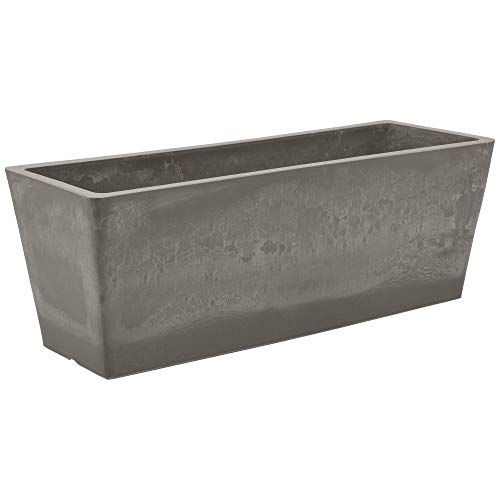
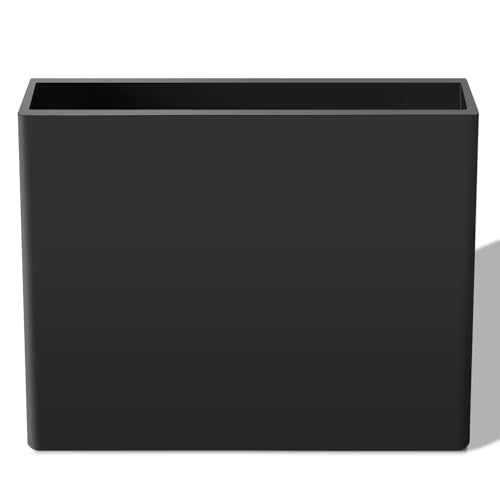
Rectangular plastic planters come in finishes that range from plain matte to textured stone-look surfaces. The finish you choose should relate to the surrounding architecture. Clean modern facades pair well with smooth matte finishes in charcoal, white, or deep green. Traditional homes often suit textured finishes that resemble stone or aged concrete.
Color is a design tool. Light planters brighten shaded corners, while dark planters create contrast and make foliage pop. If your home exterior has strong colors, a neutral planter lets the plants take center stage. For inspiration on tying containers into a broader scheme, browse our front yard landscaping ideas with rocks and plants.
Consistency helps. Repeating the same planter style along a wall or path creates rhythm, while mixing sizes of the same design adds variety without visual clutter. If you are also planning seating or dining areas nearby, our garden furniture that can be left outside all year guide covers complementary choices.
What to Plant in Large Rectangular Planters
The long, linear shape of rectangular planters invites a layered planting approach. A classic method is the thriller-filler-spiller formula: a tall focal plant in the center or at one end, mid-height plants filling the middle, and trailing plants softening the edges. In a long planter, you can repeat this pattern two or three times along the length for a full, balanced look.
Good focal plants include ornamental grasses, compact evergreens, and upright flowering shrubs. Fillers can be seasonal flowers, herbs, or foliage plants. Spillers such as trailing ivy or cascading flowers soften the hard edges of the planter and connect it visually to the ground.
If you want to attract wildlife, consider container plants that attract butterflies and hummingbirds. For a softer, romantic look, browse flowers that like full sun and bloom all summer. And if the planter sits in shade, our guide to deer-resistant shade perennials that bloom all summer offers reliable options.
For edible gardeners, large rectangular planters can host compact vegetables and culinary herbs. Just ensure the planter has good drainage and enough depth for the crops you choose.
Placement and Practical Tips
Placement determines both how the planter looks and how well it functions. Along a wall or fence, rectangular planters create a green border that softens hard lines. Flanking a doorway, a matched pair frames the entrance. Along a patio edge, a long planter defines the boundary between living space and garden.
Think about access. You will need to water, prune, and eventually repot. Leave enough room to reach the plants comfortably. If the planter is tall, consider whether you can reach the center without straining.
Also consider wind. Wide, deep planters are more stable than tall, narrow ones. In exposed locations, choose a lower profile and a wider base, or anchor the planter discreetly.
Finally, plan for seasonal change. Large planters are an investment, and rotating seasonal color keeps them interesting year-round. Our flowers to plant in spring that last all summer guide is a good starting point for warm-season displays.
Maintenance note: Wipe plastic planters with a damp cloth a few times a year to remove dust and pollen buildup. Check drainage holes before each season and clear any debris so water flows freely.
Frequently Asked Questions
Are plastic planters durable enough for year-round outdoor use?
Yes, but the quality of the plastic matters. High-density polyethylene (HDPE) and polypropylene planters are engineered to resist UV fading, cracking, and frost damage. Entry-level thin plastic planters may become brittle after a few seasons, while premium resin planters can last many years outdoors.
Do extra large rectangular plastic planters need drainage holes?
Drainage is essential for healthy roots. Many large planters include pre-drilled drainage holes, while others require you to drill them yourself. If your planter sits on a patio, consider adding a saucer or elevating it slightly so excess water can escape freely.
How much soil does an extra large rectangular planter hold?
It depends on the dimensions. A planter measuring roughly 40 inches long, 16 inches wide, and 16 inches deep can hold several cubic feet of potting mix. Because large planters are heavy when filled, choose a location before filling and consider using lightweight potting mix rather than garden soil.
Can I leave plastic planters outside in winter?
Frost-resistant resin and HDPE planters handle freezing temperatures well. Thin or decorative plastic may crack when soil expands during freeze-thaw cycles. In cold climates, empty or cover lightweight planters, and ensure drainage holes stay clear so water does not pool and freeze.
What plants work well in large rectangular planters?
Rectangular planters are ideal for hedging-style arrangements, layered flower displays, small evergreens, ornamental grasses, and even compact vegetables. A thriller-filler-spiller planting scheme works especially well in long planters, giving structure plus seasonal color.
Ready to Choose Your Planter?
Browse our hand-picked selection of extra large rectangular plastic planters and outdoor gardening supplies to complete your setup.
View Recommended Planters →