Start with a Plan: The Foundation of Rock Landscaping
Before you move a single boulder, sketch out how you want your front yard to function. Walkways, a defined entry, and easy access for mail delivery or guests should all be considered. A well-planned rock garden balances large anchor stones with mid-sized plants and low ground cover so the eye moves naturally from your home's facade to the street. If you need broader inspiration for the overall layout, our guide on front yard landscaping covers everything from flow to focal points. For those who want an ultra-clean, stone-forward look with virtually no lawn, explore front yard landscaping ideas with rocks and no grass.
When planning, consider sun exposure, drainage, and slope. Rocks absorb heat during the day and release it at night, which can benefit heat-loving plants but stress cool-season varieties. Position your largest stones first — they act as the backbone of the design — then layer smaller rocks and plants around them.
Choosing the Right Rocks for Your Front Yard
Rock selection sets the tone for the entire yard. Here are the most popular options and where they shine:
- Boulders: Great as statement pieces and anchors at the corners of planting beds or flanking a walkway.
- River rock: Smooth, rounded stones ideal for dry creek beds, borders, and mulching around plants.
- Crushed gravel: A budget-friendly ground cover for xeriscapes, pathways, and low-water zones.
- Flagstone: Flat stones perfect for stepping paths and patios that tie rock and plant areas together.
- Lava rock: Lightweight, porous, and excellent for drainage in succulent and cactus beds.
Mix two or three stone types for visual interest, but keep a dominant material so the design stays cohesive. If you also want to layer organic mulch alongside your rocks, see our companion guide on front yard landscaping ideas with rocks and mulch.
Best Plants to Pair with Rock Landscaping
Drought-tolerant plants are natural partners for rock gardens. They thrive in the well-draining conditions stones create and require far less water. Here are categories to build around:
Ornamental Grasses and Perennials
Grasses like blue fescue and fountain grass add movement and softness against hard stone. For year-after-year color, look to drought-tolerant perennials that bloom all summer and full sun perennials and bushes that bloom all summer. These plants tolerate reflected heat from rocks and deliver reliable seasonal interest.
Low Ground Covers
Ground-hugging plants knit rocks and soil together visually. Consider full sun drought-tolerant ground cover plants such as creeping thyme, sedum, and ice plant. They fill gaps, suppress weeds, and spill gracefully over stone edges.
Structural and Evergreen Plants
Evergreens provide year-round bones for the design. Evergreen shrubs such as boxwood, dwarf juniper, and mugo pine bring structure without demanding much water. For a stunning focal point, a Japanese maple can be spectacular when placed against a backdrop of light-colored rock.
Colorful Flowering Plants
Rocks provide a neutral canvas that makes flower color pop. Add butterfly plants to invite pollinators, or try drought tolerant plants for a palette of silvery foliage and vibrant blooms. Full sun flowers that bloom all summer in pots work beautifully as accents tucked among stones.
Design Ideas You Can Replicate
1. Boulder-Framed Entryway
Place two large boulders symmetrically on either side of your front walk, then soften them with mounding plants like dwarf boxwood and ornamental grasses. This creates an instant sense of arrival and frames your door beautifully.
2. Dry Creek Bed with Colorful Edges
A dry creek bed of river rock that curves through the yard handles drainage while adding texture. Line the edges with drought-tolerant perennials and evergreen shrubs for a natural-looking landscape that serves a practical purpose.
3. Terraced Sloped Yard
If your yard slopes, rocks can hold soil and create terraces that prevent erosion. Fill each level with low ground covers and succulents. See more slope-friendly strategies in our sloped yard solutions.
4. Rock and Succulent Island
Create a small island bed of gravel and boulders in the middle of a lawn or near the driveway. Cluster succulents and ornamental grasses around the base of a prominent boulder for a modern, sculptural look.
5. Foundation Planting with Stone Border
Use a band of river rock or gravel to separate your foundation plants from the lawn. This hides irrigation lines, reduces mowing hassle, and defines the planting bed. Learn more in foundation planting.
Low-Maintenance Doesn't Mean No Maintenance
Rock landscapes require less watering and weeding than traditional lawns, but they still benefit from periodic care. Refresh mulch or gravel every couple of years, trim back spent perennials in late winter, and check for weed seedlings after rains. If weeds still sneak in, our guide on the easy way to get rid of weeds between paving stones is worth reading. For an even more hands-off approach, explore low maintenance landscaping ideas that build on the rock-and-plant concept.
Use rocks as mulch. A 2- to 3-inch layer of river rock or gravel around plants retains soil moisture, keeps weeds down, and won't decompose like organic mulch. Just remember that rock mulch absorbs heat, so choose plants that tolerate warm roots — succulents, grasses, and Mediterranean herbs are ideal.
Budget-Friendly Ways to Get Started
You do not need a huge budget to begin. Start small with a single island bed, use locally sourced rock to save on delivery, and choose smaller plants that will fill in over a couple of seasons. For more affordable starting points, review cheap and simple front yard landscaping ideas. Pair your design with smart tools like a drip irrigation setup to keep new plants healthy without waste.
Common Mistakes to Avoid
- Overcrowding rocks: Too many stones of different sizes look cluttered. Anchor with a few large boulders first.
- Poor drainage: Ensure water can flow away from your foundation. Consider drainage solutions if needed.
- Ignoring plant maturity: A tiny shrub may grow into a giant that hides your rocks. Read mature sizes carefully.
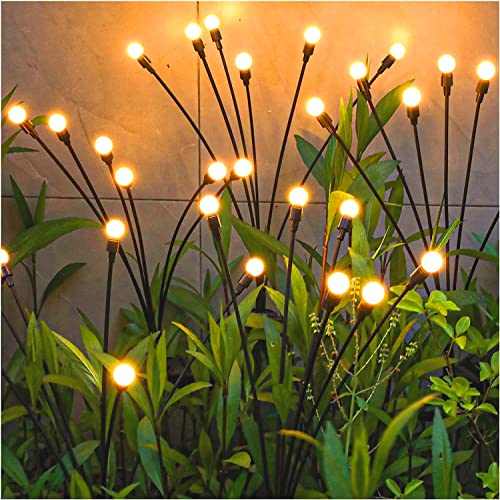
- Forgetting curb appeal: Keep the entrance clear and the walkway safe. A well-lit path makes a huge difference.
Frequently Asked Questions
What plants grow best in rock gardens?
Drought-tolerant perennials like sedum, creeping thyme, lavender, ornamental grasses, and succulents thrive in rock gardens. Evergreen shrubs such as dwarf juniper provide structure. Choose plants native to your region for the best results.
Do rocks really reduce water usage?
Yes. Rock mulch slows evaporation and the plants best suited to rock gardens are typically drought-tolerant, so you water far less often than with a traditional lawn or flower bed.
How do I keep weeds out of a rock garden?
Use a weed barrier fabric under the rock layer, apply a thick mulch layer, and plant densely so desirable plants crowd out weeds. Regular hand-pulling after rain keeps the garden tidy.
Can I use rocks and plants on a slope?
Absolutely. Rocks help hold soil in place and create terraces, making sloped yards easier to plant. Combine with drought-tolerant ground covers to stabilize the soil.
Final Thoughts
Rock-and-plant landscaping is one of the smartest investments you can make in your front yard. It saves water, cuts maintenance time, and delivers lasting curb appeal. Start with a clear plan, select your stones with intention, and choose plants adapted to your climate and sun exposure. Browse more inspiration in our collection of front yard landscaping guides and related ideas to keep your design evolving beautifully for years to come.