Fungicide for Tomato Plants: The Complete Disease Control Guide
Protect your harvest from early blight, late blight, and other devastating tomato diseases. Learn how to choose the right fungicide, when to apply it, and how to build a season-long prevention program that keeps your plants healthy and productive.
SHOP RECOMMENDED FUNGICIDESWhy Fungicide Matters for Tomatoes: Tomatoes are among the most disease-prone garden vegetables. Warm, humid conditions can turn a healthy plant into a blighted mess in just a few days. Fungicides are not cures — they are preventive tools that form a protective barrier on leaves and stems, stopping fungal spores from germinating and infecting your plants. Used correctly and combined with good cultural practices, they are the difference between a bountiful harvest and a season lost to disease.
Understanding Tomato Diseases
Before choosing a fungicide, it helps to know what you are fighting. Tomato plants face three major fungal enemies, plus a few bacterial threats that copper-based products can help manage:
Early Blight (Alternaria solani)
Early blight typically appears first on lower, older leaves as small brown spots with concentric rings — a target-like pattern. It thrives in warm, humid weather and spreads upward as splashing water carries spores. Unlike late blight, early blight develops slowly, giving you time to intervene. Consistent fungicide applications starting before symptoms appear are the most effective defense.
Late Blight (Phytophthora infestans)
Late blight is the aggressive, fast-moving disease that caused the Irish Potato Famine. It produces large, irregular, water-soaked lesions on leaves and stems, often with a white fuzzy growth on the underside in humid conditions. It can destroy an entire planting within days. Late blight requires immediate action — copper-based fungicides applied preventively before infection are your best organic option, while conventional growers may use chlorothalonil or systemic products.
Septoria Leaf Spot
Septoria leaf spot causes small, circular spots with gray centers and dark borders on lower leaves. Like early blight, it spreads upward through rain splash and overhead watering. Remove infected lower leaves promptly and apply fungicide on a regular schedule to slow its progress.
Bacterial Spot and Speck
Bacterial diseases cause small, dark, water-soaked spots on leaves and fruit. Copper-based fungicides provide partial suppression but cannot cure bacterial infections. Prevention through crop rotation, clean seed, and avoiding overhead watering is essential.
Types of Fungicides for Tomato Plants
Fungicides for tomatoes fall into two main categories — contact and systemic — plus an emerging category of biological products. Understanding the differences helps you build an effective rotation program.
Contact Fungicides
Contact fungicides sit on the leaf surface and protect only the tissue they touch. They require thorough coverage and reapplication after rain or heavy irrigation. They are generally safe for organic use when the active ingredient is copper or sulfur, and they have little risk of resistance development when used correctly.
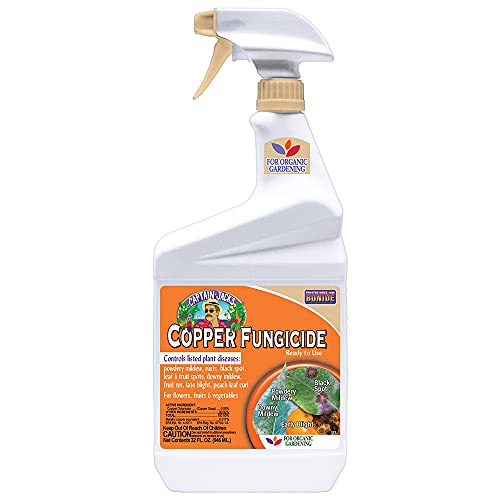
- Copper-based fungicides (copper octanoate, copper hydroxide, copper sulfate): The most popular organic choice. Effective against early blight, late blight, Septoria, and bacterial diseases. Use in cooler weather (below 85°F) to avoid leaf burn.
- Chlorothalonil: A broad-spectrum conventional contact fungicide effective against early blight, late blight, and Septoria. Note that chlorothalonil has a longer pre-harvest interval and is not approved for organic production.
- Sulfur: Useful for powdery mildew and some fungal spots, but can burn tomato foliage in hot weather. Use with caution.
Systemic Fungicides
Systemic fungicides are absorbed into plant tissue and move within the plant, providing protection from within and covering new growth. They are more rain-fast and longer-lasting than contacts but carry a higher risk of resistance development, so rotation is critical.
- Azoxystrobin: A strobilurin fungicide effective against early blight and Septoria. Rotate with a different mode of action.
- Mefenoxam (metalaxyl): Specifically targets oomycetes like late blight. Often combined with a contact fungicide for broad coverage.
- Boscalid: Effective against early blight and powdery mildew, often used in rotation programs.
Biological Fungicides
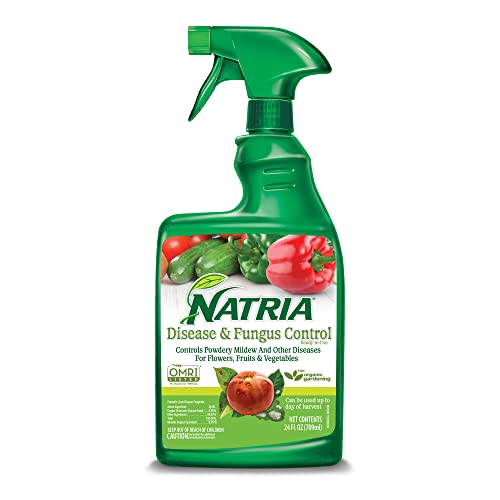
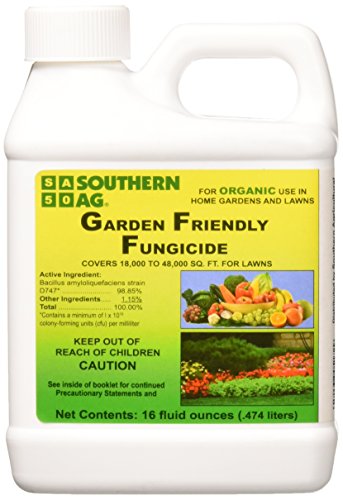
Biological fungicides contain beneficial microorganisms — most commonly Bacillus subtilis or Trichoderma species — that colonize leaf surfaces and outcompete disease organisms. They are OMRI-listed, safe for beneficial insects, and ideal for organic growers or as part of a rotation program. They work best preventively and require more frequent application than conventional products.
Comparison of Common Tomato Fungicides
| Active Ingredient | Type | Best Against | Organic Approved | Rain-Fast | Notes |
|---|---|---|---|---|---|
| Copper Octanoate | Contact | Early blight, late blight, Septoria, bacterial spot | Yes (OMRI) | Moderate | Apply in cooler weather; avoid hot afternoon sprays |
| Chlorothalonil | Contact | Early blight, late blight, Septoria | No | Good | Observe pre-harvest interval; broad-spectrum protection |
| Azoxystrobin | Systemic | Early blight, Septoria | No | Excellent | Rotate to prevent resistance |
| Bacillus subtilis | Biological | Early blight, Septoria, powdery mildew | Yes (OMRI) | Low | Apply frequently; ideal for organic prevention |
| Mefenoxam | Systemic | Late blight | No | Excellent | Often combined with contact fungicide |
How to Apply Fungicide to Tomato Plants
Application technique matters as much as product choice. Follow these steps for the best results:
- Timing: Spray early in the morning or late in the evening when temperatures are cooler and beneficial insects are less active. Avoid spraying in the heat of the day to prevent leaf burn and rapid evaporation.
- Coverage: Thoroughly coat both the upper and lower surfaces of leaves, as well as stems. Fungal spores often germinate on the underside of leaves where moisture lingers.
- Frequency: Most contact fungicides require reapplication every 7 to 10 days, or after significant rainfall. Systemic products may last 10 to 14 days. Always follow the label's interval and maximum application limits.
- Pre-harvest interval: Check the label for the number of days between the last spray and harvest. Copper products typically require a 7-day interval; chlorothalonil requires a longer interval.
- Rotation: Alternate between active ingredients with different modes of action to prevent resistance. A common rotation is copper → biological → systemic → copper.
- Weather awareness: Do not spray before rain within 24 hours unless using a rain-fast product. Reapply after heavy rain if the label permits.
Building a Season-Long Fungicide Program
The most successful tomato growers follow a proactive program rather than reacting to problems. Here is a sample rotation that balances effectiveness, resistance management, and organic principles:
Early Season (Preventive Phase)
Start sprays when plants have several sets of true leaves and weather conditions favor disease. Begin with a biological fungicide like Bacillus subtilis or a copper-based product to build a protective barrier. This early phase is critical because young plants are most vulnerable to infection.
Mid-Season (Disease Pressure Phase)
As humidity rises, increase application frequency. Rotate between copper-based contact fungicides and a systemic product if disease pressure is high. If you prefer organic methods, alternate between copper and a biological product every 7 days. Remove and destroy infected lower leaves immediately.
Late Season (Harvest Protection Phase)
Switch back to a copper-based product that has a short pre-harvest interval so you can continue harvesting. Avoid systemic products close to harvest unless the label permits. Continue monitoring for late blight, which can appear suddenly in cool, wet weather.
Common Mistakes to Avoid
- Waiting until disease appears: Fungicides are preventive, not curative. Once lesions are widespread, you cannot reverse the damage — only slow it.
- Using the same product all season: Disease organisms adapt. Rotate active ingredients to maintain effectiveness.
- Spraying in the heat of the day: Copper products can burn tomato foliage above 85°F. Spray in cooler morning or evening temperatures.
- Neglecting leaf undersides: Many fungal spores germinate on the underside of leaves. Thorough coverage is essential.
- Overlooking cultural controls: Fungicides cannot compensate for poor air circulation, overhead watering, and infected debris left in the garden.
Frequently Asked Questions
What is the best fungicide for tomato plants?
The best fungicide depends on your growing philosophy. Copper-based products are the top choice for organic gardeners and handle early blight, late blight, and bacterial issues well. Conventional growers often rotate chlorothalonil with a systemic like azoxystrobin for broad-spectrum protection. Many successful gardeners combine a copper contact fungicide with a biological product for a low-resistance-risk program.
When should I start spraying fungicide on tomato plants?
Begin preventively before disease appears — typically when plants have several sets of true leaves and humid weather arrives. In most regions that means early to mid-summer. Start before the first spots appear, and repeat every 7 to 14 days depending on the product and rainfall.
Can I use the same fungicide all season?
You should rotate active ingredients to prevent resistance. Alternate between a copper contact product, a biological fungicide, and a systemic option. Always respect the label's maximum application frequency and pre-harvest interval.
Is copper fungicide safe for tomato plants?
Copper fungicide is generally safe when used per the label, but it can cause leaf burn in hot weather above 85°F. Use the lowest effective concentration, spray in cooler temperatures, and observe the pre-harvest interval. Copper accumulates in soil over time, so rotate with biological products for long-term soil health.
What is the difference between contact and systemic fungicide?
Contact fungicides remain on the leaf surface and protect only covered tissue — they require thorough coverage and reapplication after rain. Systemic fungicides are absorbed into the plant and protect new growth from within. Contact products are ideal for prevention; systemic products are useful when disease pressure is high or weather prevents frequent spraying.
Ready to Protect Your Tomato Harvest?
Explore our expert-curated selection of fungicides for tomato plants — from organic copper options to broad-spectrum conventional products. Find the right protection for your garden below.
VIEW RECOMMENDED PRODUCTS