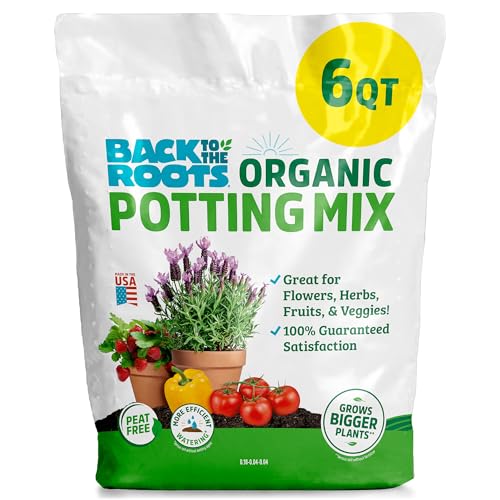
Best Organic Potting Soil for Container Vegetables
Everything you need to know before buying organic potting soil for tomatoes, peppers, greens, herbs, and more — from texture and drainage to organic certification and nutrient content.
Why this guide matters: Container vegetables live or die by their soil. Unlike garden plants, they cannot send roots deeper or wider in search of water and nutrients. The potting mix you choose is the entire growing environment — it controls moisture, airflow, pH, and nutrient availability. This guide breaks down exactly what to look for so you can shop with confidence.
Why Organic Potting Soil Matters for Container Vegetables
When you grow vegetables in containers, you are eating what the plant absorbs. Organic potting soil avoids synthetic fertilizers and chemical pesticides, reducing the risk of residue on your harvest. It relies on natural inputs like compost, worm castings, peat moss, and coconut coir to feed plants gradually. This slower release pattern matches how vegetables actually uptake nutrients and supports healthier root development.
Beyond safety, organic mixes tend to have better long-term soil structure. They support beneficial microbial life that helps break down organic matter into plant-available nutrients. If you are also growing in raised beds, the same principles apply — our guide on organic soil for raised bed vegetable gardens covers that setup in detail.
Key Criteria for Choosing Organic Potting Soil
Not all organic potting soils are created equal. The label "organic" tells you about inputs, not performance. Focus on these five factors when comparing products.
Texture & Aeration
Look for a light, fluffy mix with visible perlite, pumice, or bark fines. Heavy, dense soil suffocates roots and holds too much water. Aeration is the single most important physical property for container vegetables.
Drainage & Moisture Balance
Good potting soil drains freely but still retains enough moisture between waterings. Coconut coir and peat moss help with retention, while perlite and pine bark ensure excess water escapes.
Nutrient Content
Check for organic fertilizer sources like compost, worm castings, bat guano, or fish meal. A quality mix feeds plants for the first three to six weeks; after that you will need supplemental organic fertilizer.
pH Range
Most vegetables thrive in a pH between 6.0 and 7.0. Avoid mixes with extreme pH. Some organic blends include limestone or oyster shell to buffer pH — a helpful feature for long-season crops.
Certification & Transparency
Look for OMRI Listed or U.S.D.A. Organic seals. These indicate third-party verification of organic inputs. Also check the ingredient list — reputable brands disclose every component.
Weight & Handling
Organic mixes with coconut coir tend to be lighter than peat-heavy blends. If you are filling many containers or moving pots, weight matters for both shipping and daily handling.
Quality Tiers: Matching Soil to Your Gardening Goals
Organic potting soils fall into three broad quality tiers. Understanding these helps you set expectations and choose the right product for your container vegetable setup.
| Tier | Typical Characteristics | Best For |
|---|---|---|
| Entry-Level | Basic organic blend with peat or coir, limited perlite, and minimal added nutrients. May require more frequent fertilization and closer moisture monitoring. | Short-season crops, budget-conscious gardeners, or mixing with compost to stretch volume. |
| Mid-Range | Balanced blend with coir or peat, visible perlite, compost, and a modest organic nutrient charge. Better structure and moisture control. | Most container vegetables — tomatoes, peppers, lettuce, herbs, and beans. The sweet spot for reliability and value. |
| Premium | Rich in compost and worm castings, excellent aeration, pH-buffered, and often OMRI Listed. Holds structure longer and needs less supplemental feeding early on. | Long-season crops, heavy feeders like tomatoes and eggplant, or gardeners who want minimal fuss. |
If you are growing tomatoes specifically, our detailed breakdown of potting soil for tomatoes in containers goes deeper into calcium needs and blossom end rot prevention. For a broader comparison across brands and blends, see our potting soil for container vegetables buying guide.
How to Use Organic Potting Soil in Containers
Getting the most from your organic mix is about more than dumping it in a pot. Follow these steps to set your vegetables up for success.
- Choose the right container size: Tomatoes and peppers need at least 5 gallons per plant; greens and herbs can thrive in 2 to 3 gallons. Drainage holes are non-negotiable.
- Pre-moisten before planting: Dry potting soil repels water. Moisten it in a bucket until it feels like a wrung-out sponge, then fill your containers.
- Leave headspace: Fill containers to about 1 inch below the rim so you can water without overflow.
- Add a slow-release organic fertilizer: Even premium mixes benefit from an extra charge, especially for heavy feeders. Mix it into the top few inches at planting time.
- Mulch the surface: A thin layer of straw or shredded leaves reduces evaporation and keeps soil temperature stable.
If you are planning a larger setup with raised beds, you might also want to review organic soil for raised bed vegetable gardens to align your container and bed soil choices.
Common Mistakes to Avoid
- Using garden soil in containers: It compacts, drains poorly, and can harbor weed seeds and pathogens. Always use a potting mix designed for containers.
- Reusing old soil without amending: Spent soil loses structure and nutrients. Refresh it with compost and perlite, or replace it entirely each season for heavy feeders.
- Over-fertilizing: More is not better. Follow label rates and watch for salt buildup, especially with liquid organic fertilizers.
- Ignoring drainage: A pot without drainage holes is a death sentence for vegetables. If you love a decorative pot without holes, use it as a cachepot and keep the plant in a nursery pot inside.
- Skipping mulch: Bare soil dries out fast and heats up in direct sun. Mulch is one of the cheapest, easiest upgrades you can make.
Ready to Pick Your Organic Potting Soil?
Browse our curated selection of organic potting soils suited for container vegetables — each chosen for texture, drainage, and organic integrity.
View Recommended ProductsFrequently Asked Questions
What makes organic potting soil different from regular potting soil?
Organic potting soil is made from natural, untreated ingredients such as peat moss, coconut coir, compost, and organic fertilizers like worm castings or fish meal. It avoids synthetic chemical fertilizers and pesticides, which is important when growing vegetables you plan to eat.
Can I use garden soil instead of potting soil for container vegetables?
No. Garden soil compacts in containers and blocks drainage, leading to waterlogged roots and poor air circulation. Potting soil is engineered to be lightweight, well-draining, and moisture-retentive, which is essential for container vegetable success.
How often should I replace organic potting soil in containers?
Replace potting soil every one to two growing seasons. Nutrients deplete over time, and soil structure breaks down. Refresh with new organic mix or amend the old soil with compost and organic fertilizer before replanting.
Do container vegetables need fertilizer if I use organic potting soil?
Yes, most organic potting soils contain enough nutrients for the first few weeks. After that, supplement with an organic liquid or slow-release fertilizer every two to four weeks during the growing season, since container plants are watered frequently and nutrients leach out.
Is organic potting soil safe for vegetables I plan to eat?
Yes, when used as directed. Organic potting soil is specifically designed for edible gardening. Look for OMRI Listed or U.S.D.A. Organic seals for third-party verification. Always wash harvested vegetables before eating, as you would with any garden produce.