Why potting soil matters for container tomatoes: Unlike garden-grown tomatoes, container plants depend entirely on the growing medium you provide. The right potting soil gives roots the oxygen, moisture, and nutrients they need to support vigorous growth and abundant fruit. The wrong mix can lead to root rot, nutrient deficiencies, and disappointing harvests. This guide walks you through every factor that makes a potting soil ideal for tomatoes in containers, so you can choose with confidence.
Growing tomatoes in containers is one of the most rewarding ways to enjoy fresh, homegrown fruit — even if you have limited space, poor garden soil, or a short growing season. But container gardening comes with a unique set of challenges, and the single most important decision you will make is the potting soil you use. Tomatoes are heavy feeders with deep root systems and a need for consistent moisture, which means they demand more from their growing medium than most other container plants.
In this guide, we break down exactly what makes a potting soil ideal for container tomatoes, compare the main types available, and explain how to amend and maintain your mix throughout the season. Whether you are a first-time container gardener or looking to improve your results, this information will help you make an informed choice.
What Container Tomatoes Need From Their Soil
Tomatoes are hungry, thirsty plants that grow fast and produce heavy fruit. In a container, their roots are confined to a limited volume of soil, so that soil must deliver on several fronts simultaneously. Understanding these requirements is the foundation for choosing the right mix.
Excellent Drainage and Aeration
Tomato roots need oxygen to function. In a container, poor drainage quickly leads to waterlogged soil, root suffocation, and eventually root rot. A quality potting mix should contain perlite, pumice, or pine bark to create air pockets and allow excess water to drain freely. Heavy, compacted mixes are the number one cause of container tomato failure.
Consistent Moisture Retention
While drainage is critical, the mix must also hold enough moisture to keep roots hydrated between waterings. Peat moss and coco coir are excellent at retaining water while remaining airy. Container tomatoes typically need deep, thorough watering every one to two days during hot weather, and a well-balanced mix helps buffer against rapid drying.
Rich, Balanced Nutrition
Tomatoes are heavy feeders, especially during flowering and fruiting. A good potting soil should include compost or aged manure for baseline fertility, plus a balanced slow-release fertilizer. Because nutrients leach out with frequent watering, you will also need to supplement with liquid fertilizer throughout the season. For more on feeding container vegetables, see our guide to the best potting soil for container vegetables.
Proper pH Range
Tomatoes prefer slightly acidic soil with a pH between 6.0 and 6.8. In this range, essential nutrients — particularly calcium and magnesium — remain available to the plant. Calcium deficiency leads to blossom end rot, a common and frustrating problem in container tomatoes. Choose a mix with a pH in this range, or test and adjust as needed.
Sterility and Weed-Free Composition
Unlike garden soil, quality potting mixes are sterilized or pasteurized to eliminate weed seeds, insect eggs, and disease pathogens. This is especially important in containers, where a single outbreak can devastate a confined plant. Avoid using garden soil directly in containers for this reason.
Types of Potting Soil for Container Tomatoes
Potting mixes vary widely in their ingredients and structure. Here is how the main categories compare for tomato growing, using universal quality tiers rather than prices.
| Type | Key Components | Best For | Quality Tier |
|---|---|---|---|
| Peat-based potting mix | Peat moss, perlite, vermiculite, compost | Most container tomatoes; reliable moisture and drainage balance | Mid-range |
| Coco coir-based mix | Coco coir, perlite, compost, organic fertilizer | Eco-conscious gardeners; excellent water retention and aeration | Mid-range |
| Loam-based potting soil | Sterilized loam, peat, sand, compost | Gardeners wanting a heavier, more garden-like feel; good for large containers | Premium |
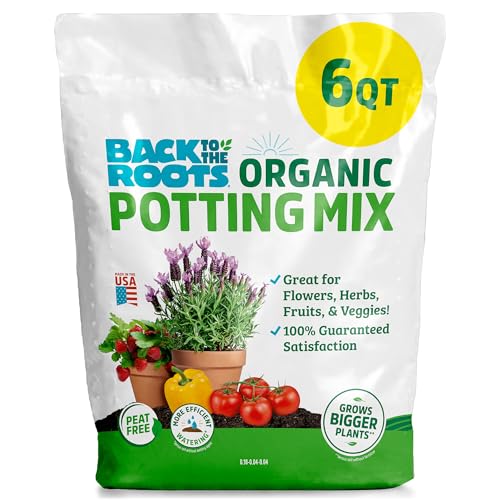
| Organic potting mix | Compost, peat or coir, perlite, organic nutrients | Organic growing; slow-release natural feeding | Premium |
| Budget all-purpose mix | Peat, perlite, minimal nutrients | Short-season crops or as a base to amend | Entry-level |
Peat-based mixes are the most common and widely available option. They are lightweight, retain moisture well, and provide good drainage when blended with perlite. They are a solid mid-range choice for most container tomato growers. Note that peat is acidic and low in nutrients on its own, so quality mixes compensate with lime and fertilizer.
Coco coir-based mixes are a renewable alternative to peat. Coir holds water excellently, resists compaction, and has a near-neutral pH. It is a strong mid-range option and performs comparably to peat-based mixes when properly formulated with perlite and nutrients. For organic growers, see our recommendations for the best organic potting soil for container vegetables.
Loam-based potting soils contain sterilized topsoil blended with organic matter and drainage aids. They are heavier than peat or coir mixes, which makes them well-suited to large containers and top-heavy tomato plants. They tend to be premium-tier products and are excellent for gardeners who prefer a more traditional soil texture.
Organic potting mixes rely on compost, plant-based meals, and rock minerals for fertility. They are typically premium-tier and ideal for growers who want to avoid synthetic fertilizers. Because organic nutrients release more slowly, you may need to supplement with liquid organic feeds during heavy fruiting.
Budget all-purpose mixes are entry-level options that often contain minimal nutrients and lower-quality ingredients. They can work as a base if you amend them with compost and slow-release fertilizer, but they are rarely ideal on their own for demanding crops like tomatoes.
How to Choose the Best Potting Soil for Tomatoes
Look for the Right Ingredient List
Read the label and prioritize mixes that list:
- Peat moss or coco coir as the primary moisture-retaining component
- Perlite or pumice for drainage and aeration (aim for at least 20–30% of the mix)
- Compost or aged bark for organic matter and baseline nutrients
- Slow-release fertilizer or organic nutrient sources such as bone meal or worm castings
- Lime to adjust pH into the 6.0–6.8 range
Avoid These Red Flags
- Heavy, dense mixes that clump and drain poorly
- Garden soil sold as potting soil — these compact in containers
- Mixes without drainage amendments such as perlite
- Unsterilized products that may contain weed seeds or pathogens
- Extremely cheap mixes with little nutrient content or poor structure
Match the Mix to Your Container and Climate
Large containers (15 gallons or more) can handle slightly heavier loam-based mixes, while smaller pots benefit from lighter, airier peat or coir blends. In hot, dry climates, choose mixes with higher moisture retention; in humid or rainy regions, prioritize drainage. Always ensure your container has drainage holes, regardless of the mix you choose.
Amending and Maintaining Your Potting Soil
At Planting Time
Even a quality potting mix benefits from a few amendments before you plant:
- Compost: Mix in 20–30% finished compost to boost fertility and beneficial microbes.
- Slow-release fertilizer: Follow label rates; too much nitrogen produces leafy plants with few tomatoes.
- Perlite: Add extra if your mix feels dense or you live in a rainy climate.
- Calcium source: Crushed eggshells or a calcium supplement can help prevent blossom end rot, though consistent watering is equally important.
During the Season
Container tomatoes deplete their soil quickly. Feed with a balanced liquid fertilizer every two weeks once flowering begins, and water deeply and consistently. Mulching the soil surface with straw or compost helps retain moisture and regulate temperature. For more tomato-growing guidance, see our full guide on how to grow tomatoes.
Reusing Potting Soil
Used potting mix can be refreshed for the next season by removing old roots, blending in fresh compost and perlite, and replenishing nutrients. However, if your plants suffered from disease, it is safest to discard the soil and start fresh. Never reuse soil from a diseased plant in a container tomato garden.
Common Container Tomato Soil Mistakes to Avoid
- Using garden soil straight from the ground — it compacts and drains poorly in containers
- Over-fertilizing with high-nitrogen products — this produces leaves, not fruit
- Letting the soil dry out completely — this triggers blossom end rot and fruit cracking
- Skipping drainage holes — waterlogged soil kills tomato roots quickly
- Ignoring pH — a mix outside 6.0–6.8 locks up essential nutrients
Supporting Your Container Tomatoes
Healthy soil is only one part of the equation. Container tomatoes also need sturdy support to hold heavy fruit. A durable tomato cage keeps plants upright and improves airflow, which reduces disease pressure. Pair good soil with consistent watering, adequate sunlight (at least six to eight hours daily), and regular feeding, and you will be well on your way to a productive harvest.
If you are also growing tomatoes from seed, start with quality genetics — a tomato seed selection matched to your climate and container size makes a real difference in results.
Frequently Asked Questions
What type of potting soil is best for growing tomatoes in containers?
The best potting soil for container tomatoes is a loam-based or peat/coir-based mix with excellent drainage, a pH between 6.0 and 6.8, and slow-release or organic nutrients. Look for a mix that combines peat moss or coco coir, perlite, compost, and a balanced fertilizer. Mid-range and premium mixes generally offer better structure and fertility than entry-level all-purpose products.
Can I use garden soil for tomatoes in containers?
Garden soil is not recommended for containers because it compacts easily, drains poorly, and may contain weed seeds and pathogens. Use a sterile, lightweight potting mix designed for container gardening instead. If you must use garden soil, blend it heavily with perlite and compost, but a dedicated potting mix will always outperform it in a container setting.
How often should I fertilize tomatoes grown in containers?
Container tomatoes need regular feeding because nutrients leach out with frequent watering. Apply a balanced liquid fertilizer every two weeks, or use a slow-release granular fertilizer at planting time and supplement with liquid feed during fruiting. Avoid high-nitrogen fertilizers, which encourage leafy growth at the expense of fruit.
What pH level do tomatoes need in potting soil?
Tomatoes thrive in slightly acidic soil with a pH between 6.0 and 6.8. This range allows optimal nutrient uptake, especially calcium and magnesium, which are critical for healthy fruit development. Most quality potting mixes are formulated within this range, but it is worth checking the label or testing your mix if you notice nutrient deficiency symptoms.
How do I prevent blossom end rot in container tomatoes?
Blossom end rot is caused by calcium deficiency, which is usually triggered by inconsistent watering rather than a lack of calcium in the soil. Keep moisture consistent, use a potting mix with a proper pH, avoid over-fertilizing with nitrogen, and consider adding a calcium source. Mulching the soil surface helps stabilize moisture levels.
The Bottom Line
For most container tomato growers, a mid-range peat-based or coco coir-based potting mix with perlite and compost is the ideal choice — it balances moisture retention, drainage, and nutrition without unnecessary complexity. Gardeners who prefer organic methods should look for premium organic mixes, while those growing in large containers may benefit from a loam-based product. Whichever you choose, verify the pH, confirm the drainage amendments, and plan to feed regularly throughout the season. With the right soil as your foundation, container tomatoes can be every bit as productive and flavorful as garden-grown ones.