Best Organic Soil for Vegetable Garden in Raised Bed
Your raised bed is only as good as the soil inside it. Discover what makes truly organic soil, how to build the ideal mix for vegetables, and which options deliver healthy, productive harvests season after season.
Why soil is the foundation of every raised bed: In a raised bed, plants can't reach deep into native ground for nutrients and water. Everything they need must come from the soil you fill it with. Choosing the right organic soil is the single most important decision you'll make for your vegetable garden — it affects drainage, root health, nutrient availability, and ultimately how much you harvest.
What Makes Organic Soil Different?
Organic soil is free from synthetic fertilizers, pesticides, and chemical additives. Instead, it relies on natural materials like compost, peat moss, aged manure, and mineral amendments to feed plants and support soil life. This matters in a raised bed vegetable garden for several reasons:
Soil biology thrives. Organic matter feeds earthworms, beneficial bacteria, and fungi that break down nutrients into forms plants can absorb. A living soil ecosystem is the engine of a productive raised bed.
No synthetic residue. Because you're growing food you'll eat, avoiding synthetic chemicals reduces the risk of residue on your harvest — especially important for leafy greens and root vegetables.
Better structure over time. Organic matter improves both sandy and clay-heavy soils, creating the crumbly, well-draining texture that vegetable roots love. Learn more about what makes ideal raised bed soil in our detailed guide.
Safer for beneficial insects. Organic soil supports the pollinators and predatory insects that help your garden stay healthy. If you're planning flowers alongside vegetables, see our tips on deer and rabbit resistant annual flowers for a pest-resilient garden.
The Ideal Organic Soil Mix for Raised Beds
A productive raised bed soil blend isn't just "dirt in a box." The best mix balances three key components: structure, fertility, and drainage. Here's what each contributes:
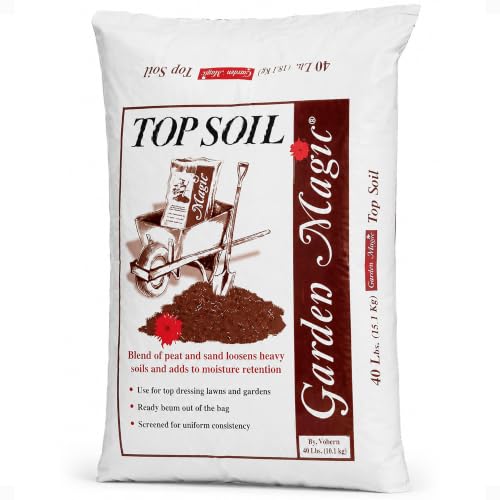
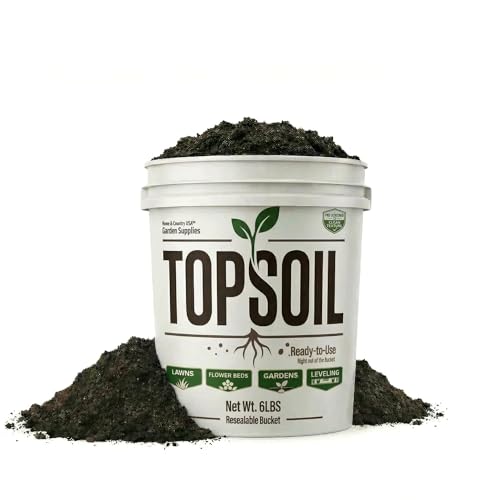
Topsoil (Structure)
Provides the bulk and mineral base. Look for screened, loamy topsoil that hasn't been treated with synthetic chemicals. This is what anchors your plants.
Compost (Fertility)
The heart of organic soil. Aged compost supplies slow-release nutrients, feeds soil life, and improves moisture retention. Choose compost from plant-based or manure sources.
Perlite or Coarse Sand (Drainage)
Prevents compaction and ensures excess water drains away. Critical for raised beds, where poor drainage can waterlog roots and invite disease.
Recommended ratio: A reliable starting blend is roughly 60% topsoil, 30% compost, and 10% perlite or coarse sand. You can adjust slightly depending on your native conditions — more compost for sandy areas, more perlite for heavy clay regions. Avoid using potting soil alone in a raised bed; it's too light and dries out too quickly for vegetables. If you're also growing in containers, see our guide to the best organic potting soil for container vegetables.
What to Look For in an Organic Raised Bed Soil
When shopping for bagged or bulk organic soil, check these key indicators:
Certified organic labeling. Look for U.S.D.A. Organic or equivalent certification. This verifies the product meets standards for organic production and has no prohibited synthetic inputs.
Ingredient transparency. Reputable brands list their ingredients clearly: composted bark, peat moss, aged manure, perlite, etc. Avoid products with vague "forest products" or undisclosed fillers.
No fertilizer or pesticide additives. Many bagged soils include synthetic slow-release fertilizers. For a truly organic bed, choose a soil that's unfortified — you'll add your own organic amendments.
Proper texture and smell. Good organic soil smells earthy and crumbles easily in your hand. It should be neither dusty-dry nor soggy-wet in the bag.
pH awareness. Most vegetables prefer a pH between 6.0 and 7.0. Check whether your soil blend provides a neutral starting point, then adjust with organic amendments as needed.
Organic matter percentage. Look for soil with meaningful organic matter content — ideally in the range of 5–10% by weight or a substantial volume of composted material listed prominently on the label.
Organic Raised Bed Soil Quality Tiers
Organic soil products vary widely in quality. Here's how to think about the tiers so you can match your choice to your gardening goals:
-
Entry-Level
Basic organic blends. These typically combine basic compost with topsoil and minimal aeration material. They're a solid starting point for beginners or for filling large beds where cost matters. Expect to add extra compost and amendments over time to build fertility. Best suited for low-demand crops like lettuce and herbs in the first season.
-
Mid-Range
Enhanced organic mixes. These blends include higher-quality compost, balanced aeration materials, and often a mix of organic nutrient sources like bone meal or kelp meal. They provide better structure and fertility straight from the bag, supporting a wider range of vegetables — from tomatoes and peppers to root crops. A practical sweet spot for most home gardeners.
-
Premium
Top-tier organic soils. Premium products use carefully sourced, fully composted organic matter, ideal ratios of aeration and moisture-retention materials, and may include beneficial microbial inoculants. They deliver consistent texture and fertility that supports intensive planting and heavy-feeding crops. Best for serious gardeners who want maximum performance from the first season and are willing to invest in long-term soil health.
Comparing Organic Soil Options at a Glance
| Option | Best For | Key Strength | Consideration |
|---|---|---|---|
| Bagged organic raised bed mix | Small to medium beds, beginners | Convenient, pre-blended, ready to use | Higher cost per volume; quality varies by brand |
| Bulk organic topsoil + compost | Large beds, budget-conscious gardeners | Economical for filling volume; customizable ratio | Requires delivery; must verify organic sourcing |
| DIY blend (topsoil + compost + perlite) | Gardeners who want full control | Tailored to your exact conditions and crops | More labor; requires sourcing quality ingredients |
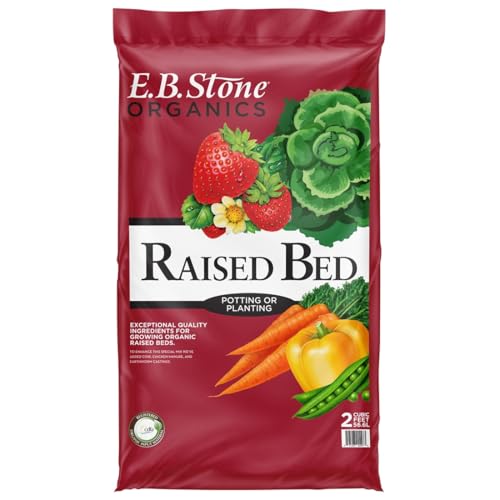
| Premium organic raised bed soil | Intensive vegetable production | Consistent fertility and structure out of the bag | Highest investment; best value in smaller beds |
How to Fill Your Raised Bed with Organic Soil
- Calculate volume. Measure your bed's length, width, and depth. Multiply to get cubic feet. Most vegetables need 12–18 inches of soil depth; deep-rooted crops like tomatoes and carrots benefit from 18–24 inches. Our guide on the best plants to grow in a raised garden bed can help you plan based on your depth.
- Layer the bottom. If your bed sits on native soil, loosen the ground beneath and add a layer of coarse organic material like straw or leaves. This encourages earthworms and improves drainage between the bed and the ground.
- Mix your components. Combine topsoil, compost, and perlite in your chosen ratio. Mix thoroughly — either in a wheelbarrow or directly in the bed, turning with a garden fork.
- Fill and settle. Add the mix in layers, watering lightly between layers to help it settle. Leave 2–3 inches of space below the rim to accommodate mulch and prevent overflow.
- Test and amend. After filling, test your soil's pH and nutrient levels with an organic-approved test kit. Adjust with organic amendments as needed before planting.
- Mulch the surface. Apply 2–3 inches of organic mulch such as straw, shredded leaves, or untreated wood chips. This conserves moisture, suppresses weeds, and feeds soil life as it breaks down.
Maintaining Organic Soil Health Year After Year
Top-dress with compost annually. Each spring, add 2–3 inches of fresh organic compost to the surface and gently work it in. This replenishes nutrients and organic matter without requiring full soil replacement.
Rotate crops. Moving plant families between beds each season prevents nutrient depletion and breaks pest and disease cycles. Pair this with companion planting vegetables for a more resilient garden.
Avoid working wet soil. Tilling or digging saturated soil destroys its structure and creates compaction. Wait until soil is moist but crumbly before working it.
Feed soil life, not just plants. Organic matter is food for the microbes and worms that make nutrients available. Keep adding compost, mulch, and cover crops to sustain the soil ecosystem.
Watch drainage and moisture. Raised beds dry out faster than in-ground gardens. A quality organic soil with good structure — plus consistent watering — keeps plants stress-free. If you're setting up automated watering, see our guide to adding drip irrigation to an existing sprinkler system.
Frequently Asked Questions
Ready to Build a Thriving Raised Bed?
You now have the knowledge to choose the right organic soil and build a mix that supports healthy, productive vegetables. Explore our recommended organic soil options below — selected to help you get your raised bed growing strong from day one.