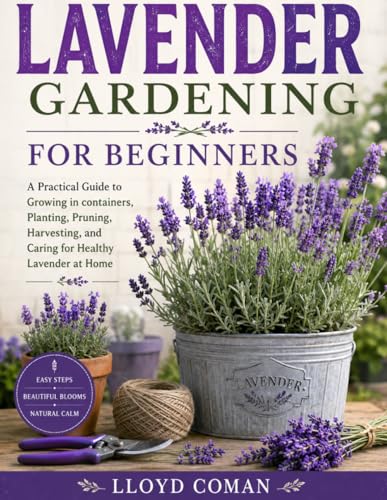
How to Care for a Lavender Plant in a Pot
Expert guide to growing fragrant lavender in containers. Master sunlight, watering, soil, pruning, and winter care for a thriving potted lavender.
Jump to Essential CareLet gardening guide you to success with potted lavender. Lavender (Lavandula) is a beloved Mediterranean herb prized for its calming fragrance, beautiful purple blooms, and versatility. Growing lavender in a pot is a wonderful way to enjoy this plant even if you have limited garden space, but it requires specific care to thrive. This comprehensive guide covers everything you need to know – from choosing the right pot and soil to watering, pruning, and overwintering. Whether you're a beginner or an experienced gardener, these expert tips will help your potted lavender flourish.
💡 Key takeaway: Lavender in pots needs full sun, excellent drainage, minimal water, and good air circulation. Get these right, and your lavender will reward you with years of fragrance and beauty.
Essential Lavender Pot Care
☀️ Sunlight & Location
Lavender loves full sun – at least 6–8 hours of direct sunlight daily. Place your pot in the sunniest spot you have, like a south-facing patio or balcony. In hot climates, provide some afternoon shade to prevent scorching. Learn where to place lavender for optimal growth →
💧 Watering Right
Overwatering is the #1 killer of potted lavender. Water only when the top 1–2 inches of soil feel dry. In summer, this may be every 5–7 days; in winter, much less. Always water at the base, avoid wetting foliage. Ensure pots have drainage holes. Check watering tips for other potted plants →
🪴 Soil & Potting Mix
Lavender needs very well-draining, slightly alkaline soil (pH 6.5–7.5). Use a mix of 70% potting soil + 30% perlite or coarse sand. Avoid moisture-retentive potting mixes. Terracotta pots are ideal – they wick away excess moisture.
✂️ Pruning & Deadheading
Prune lavender in early spring to shape and encourage bushy growth. Remove spent flower stalks to promote reblooming. Never cut into woody stems – only trim the green growth. Explore more pruning techniques →
Step-by-Step Guide to Potted Lavender Success
1. Choosing the Right Pot
Select a container that is at least 12 inches in diameter and depth – larger is better to accommodate the root system. Terracotta or clay pots are excellent because they are porous and help soil dry out faster. Ensure the pot has multiple drainage holes. A saucer is optional; if used, empty it after watering.
2. Planting Lavender in a Pot
Fill the pot with your well-draining soil mix, leaving room for the root ball. Gently remove your lavender plant from its nursery pot, loosen the roots, and place it in the center at the same depth it was growing. Backfill with soil, firm lightly, and water in well. Let the plant settle in a sheltered spot for a few days before moving to full sun.
For a beautiful display, consider companion planting with other drought-tolerant herbs like rosemary or thyme. However, avoid overcrowding – lavender needs good air circulation. See companion planting ideas for other plants →
3. Watering & Feeding Schedule
Water deeply but infrequently. In hot summer months, you might need to water every 5–7 days; in cooler months, reduce to every 2–3 weeks. Always check soil moisture with your finger. Lavender is drought-tolerant – it prefers to be dry rather than wet. Fertilize once in early spring with a balanced, slow-release fertilizer or a diluted liquid seaweed feed. Avoid high-nitrogen fertilizers which promote foliage at the expense of flowers.
4. Winter Care & Overwintering
Lavender is hardy, but potted plants are more vulnerable to freezing roots. In colder zones (USDA 5-7), move pots to a sheltered location such as against a house wall or into an unheated garage/greenhouse. Reduce watering significantly during winter – only water when the soil is completely dry to prevent root rot. Mulch the top of the pot with gravel or straw for extra insulation. In warmer zones (8-10), lavender can stay outside year-round with minimal protection.
Pro tip: If you live in a very cold climate, consider planting a hardier variety like 'Munstead' or 'Hidcote'. Learn about overwintering other potted plants →
Common Potted Lavender Problems & Fixes
- ✔ Yellowing leaves: Usually overwatering. Stop watering, let soil dry, and ensure drainage.
- ✔ Leggy growth: Not enough sunlight. Move to a sunnier spot and prune back in spring.
- ✔ Few or no flowers: Lack of sun, over-fertilizing (too much nitrogen), or plant is too young. Ensure full sun and minimal fertilizer.
- ✔ Root rot: Remove plant, cut away rotting roots, repot in fresh dry mix with better drainage.
❓ Frequently Asked Questions About Potted Lavender
How often should I water lavender in a pot? Water only when the top 2 inches of soil are dry. In hot weather, that might be every 5–7 days; in winter, every 2–3 weeks.
Can I grow lavender indoors? Yes, but it needs a very sunny window (south-facing) and good airflow. Indoors, it's more prone to overwatering and powdery mildew.
Should I cut back my potted lavender in the fall? No – prune in early spring. Fall pruning can encourage new growth that gets damaged by frost.
Can I propagate lavender from cuttings? Absolutely! Take 4-inch cuttings in summer, remove lower leaves, dip in rooting hormone, and plant in sandy soil. Explore propagation methods →
If you're passionate about growing herbs and flowers in containers, you might also enjoy our guides on caring for aloe vera indoors and watering tips for Christmas cactus. For more on landscaping with Mediterranean plants, visit our landscaping section.