How to Take Care of an Aloe Vera Plant Inside
Your complete guide to growing a healthy, thriving aloe vera indoors — from light and watering to soil, repotting, and troubleshooting.
Start Caring for Your Aloe →🌿 Aloe vera is one of the most rewarding indoor plants. With the right care, it will reward you with thick, juicy leaves and even occasional blooms. Whether you're a beginner or a seasoned plant parent, this guide covers everything you need to know to keep your aloe happy and healthy inside your home.
Aloe Vera Care Basics
☀️ Light
Aloe vera thrives in bright, indirect light. A south- or west-facing window is ideal. Too much direct afternoon sun can scorch the leaves, while too little light causes leggy growth. Rotate the pot occasionally for even growth.
💧 Watering
Water deeply, but infrequently. Allow the top 2–3 inches of soil to dry out completely between waterings. In winter, reduce watering to once every 3–4 weeks. Overwatering is the #1 cause of aloe death.
Learn more: How often do you water an indoor aloe vera plant?
🌱 Soil & Potting
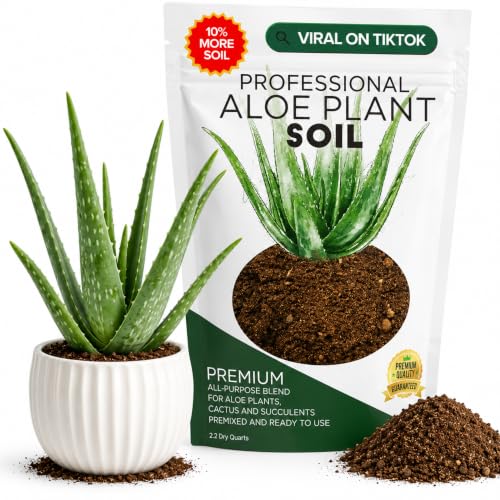
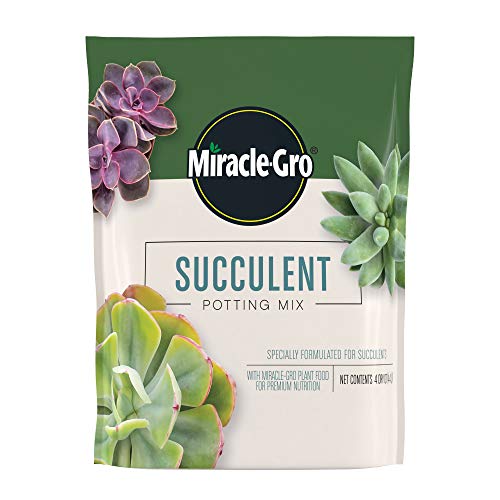
Use a well-draining succulent or cactus mix. A blend of potting soil, coarse sand, and perlite (2:1:1) works perfectly. Ensure the pot has a drainage hole to prevent root rot.
🌡️ Temperature & Humidity
Aloe prefers temperatures between 55°F and 80°F (13°C–27°C). Average indoor humidity is fine. Avoid placing near drafts, air conditioners, or heating vents.
Step-by-Step Indoor Aloe Care
1. Choosing the Right Pot
Select a pot that is 1–2 inches larger than the root ball. Terracotta is ideal because it wicks away excess moisture. Always use a pot with a drainage hole.
2. Planting & Repotting
Repot your aloe every 2–3 years in spring. Gently remove the plant, shake off old soil, and place in fresh potting mix. Water lightly after repotting and wait a week before watering again.
3. Fertilizing
Feed your aloe with a balanced liquid fertilizer (10-10-10) diluted to half strength, once in spring and once in summer. Do not fertilize in fall or winter.
4. Pruning & Maintenance
Remove dead or damaged leaves at the base using clean, sharp scissors. Aloe leaves can be harvested for gel; cut a mature outer leaf close to the stem.
Common Aloe Problems & Solutions
🍂 Brown or Mushy Leaves
Cause: Overwatering or poor drainage. Fix: Stop watering, let soil dry out, and repot in dry soil if necessary.
🌿 Leggy, Stretched Growth
Cause: Insufficient light. Fix: Move to a brighter spot with indirect sunlight.
🟡 Yellow Leaves
Cause: Overwatering or root rot. Fix: Check roots, trim rotted parts, and repot in fresh, dry soil.
🐜 Pests (Mealybugs, Scale)
Wipe leaves with rubbing alcohol or use neem oil. Isolate the plant to prevent spread.
Quick Aloe Care Checklist
Frequently Asked Questions
Can I grow aloe vera indoors with low light?
Aloe can tolerate low light but will grow slowly and may become leggy. For best results, place it near a bright window.
How often should I water my indoor aloe?
Typically every 2–3 weeks in summer and once a month in winter. Always check that the soil is dry before watering.
More details: How often should you water your aloe vera plant?
Why are my aloe leaves curling or turning thin?
This usually indicates underwatering. Give your aloe a deep drink and it should plump up within a few days.
Can I put my aloe outside in summer?
Yes, but acclimate it gradually to prevent sunburn. Bring it back indoors before temperatures drop below 50°F.
🌱 Pro Tip: Aloe vera is a forgiving plant. When in doubt, water less rather than more. With the right light and soil, your aloe will thrive for years. Harvest leaves responsibly and enjoy the soothing gel for minor burns and skincare.
Explore more: Low-maintenance plants for your home | How to save a dying aloe vera
Related guides: Christmas cactus care · Lavender in pots · Air-purifying plants