How to Care for Thanksgiving Cactus After It Blooms
Post-bloom care is the secret to a healthy, vibrant cactus that will reward you with even more flowers next season. Let's get your plant back to thriving.
Why post-bloom care matters: Your Thanksgiving cactus (Schlumbergera truncata) has just put on a spectacular show. Now it needs your help to recover, rest, and prepare for the next cycle. Proper care after flowering sets the stage for stronger growth, better branching, and abundant blooms next fall. Let’s walk through the essential steps — from pruning to fertilizing — so your cactus stays happy year-round.
Post-Bloom Care: 5 Essential Steps
1 Prune & Tidy Up
Once the last flowers fade, it’s time to give your cactus a gentle trim. This encourages branching and prevents the plant from becoming leggy.
- Remove spent blooms: Gently twist off wilted flowers at the base to prevent rot.
- Trim back stems: Pinch or cut back 1–2 segments from the tips of leggy stems. This promotes a fuller, bushier shape.
- Clean up debris: Remove any fallen leaves or flowers from the soil surface to discourage pests and mold.
2 Adjust Watering Routine
During the blooming period, your cactus may have needed more frequent watering. After flowering, it enters a semi-dormant phase and needs less moisture.
- Let the soil dry: Water only when the top 1–2 inches of soil feel dry to the touch.
- Reduce frequency: In winter months, water every 2–3 weeks, depending on your home’s humidity.
- Check drainage: Always use a pot with drainage holes to prevent root rot, which is the number one killer of holiday cacti.
3 Fertilize for Recovery
After blooming, your cactus has depleted energy reserves. A balanced fertilizer helps it rebuild strength for the next growth phase.
- Wait 2–4 weeks after flowering ends before fertilizing to let the plant rest.
- Use a balanced, water-soluble fertilizer (like 20-20-20) diluted to half-strength.
- Apply monthly during the active growing season (spring through late summer). Stop fertilizing in late fall to encourage blooming.
4 Light & Temperature Management
After flowering, your cactus benefits from bright, indirect light and slightly cooler temperatures to signal the start of its rest period.
- Bright, indirect light: Place near an east- or north-facing window. Avoid harsh direct sunlight, which can scorch the leaves.
- Cooler nights: Aim for daytime temperatures of 65–70°F (18–21°C) and nighttime temperatures around 55–60°F (13–16°C) to promote bud formation later.
- Rotate regularly: Turn the pot every week for even light exposure.
5 Rest Period & Reblooming Prep
From late winter through early spring, your Thanksgiving cactus naturally slows down. This rest period is crucial for next season’s flowers.
- Reduce watering and stop fertilizing completely during the rest phase (January–February).
- Provide short days (12–14 hours of darkness) starting in late September to trigger bud development.
- Keep temperatures cool (55–60°F) during the dark period for 6–8 weeks before you want blooms.
Pro Tips for a Thriving Cactus
🌱 Repotting Timing
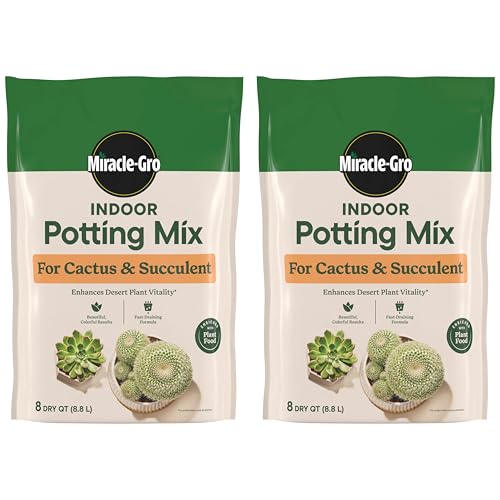
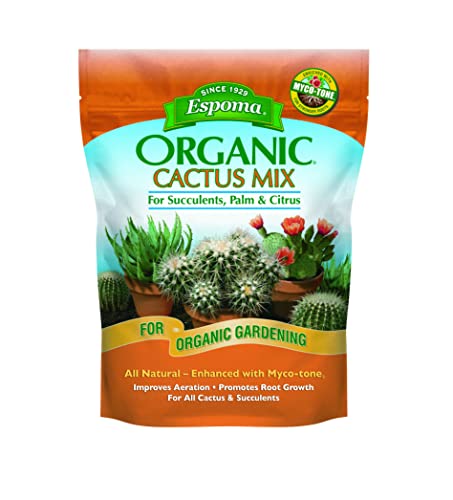
Repot every 2–3 years in spring, after the rest period. Use a well-draining cactus mix and a pot one size larger.
💧 Humidity Matters
Thanksgiving cacti enjoy higher humidity. Mist occasionally or place a tray of pebbles with water beneath the pot.
🐞 Pest Watch
Check regularly for mealybugs and spider mites. Wipe leaves with a damp cloth or use insecticidal soap if needed.
✂️ Pinch for Shape
In late spring, pinch back a few stem segments to encourage denser growth and more flower buds.
Thanksgiving Cactus vs. Christmas & Easter Cactus
Understanding the differences helps you tailor care for each type. Here's a quick comparison:
| Feature | Thanksgiving Cactus | Christmas Cactus | Easter Cactus |
|---|---|---|---|
| Blooming Season | Late fall (November–December) | December–January | Spring (March–May) |
| Leaf Shape | Pointed, claw-like segments | Rounded, scalloped edges | Rounded with bristles |
| Flower Color | Pink, red, white, purple, orange | Red, pink, white, purple | Pink, red, white, purple |
| Rest Period | Jan–Feb (short days) | Jan–Feb (short days) | Summer (cooler temps) |
Frequently Asked Questions
How soon should I prune my Thanksgiving cactus after blooming?
You can prune right after the last flowers fade. This gives the plant time to recover and produce new growth before the next blooming cycle.
Can I put my Thanksgiving cactus outside in summer?
Yes! Place it in a shaded or partially shaded spot outdoors when nighttime temperatures stay above 50°F (10°C). Bring it back inside before fall to control light exposure for blooming.
Why are my Thanksgiving cactus leaves turning red or purple?
Reddish or purplish leaves are usually a sign of stress from too much light, cold temperatures, or underwatering. Adjust conditions gradually and the color should return to green.
How do I encourage more flower buds for next year?
Provide 12–14 hours of complete darkness each night for 6–8 weeks starting in late September. Keep temperatures around 55–60°F during this period, and reduce watering slightly.
Should I cut off the dead flowers on my Thanksgiving cactus?
Yes, gently twist off the spent blooms to keep the plant tidy and prevent fungal issues. You can also trim the segment behind the flower if it looks wilted.
For more holiday cactus care, check out our guides on how to get a Christmas cactus to bloom again and how often to water a Thanksgiving cactus. If you're looking to expand your indoor plant collection, you might also like our guide to plant lights for indoor plants.
Ready to give your cactus the best care?
Shop our recommended supplies to keep your plant thriving all year long.
Shop Supplies